

California Auto Transport – Routes, Costs & Moving Guide [2026]
California, which is also called the Golden State thanks ...
15 February 2022
Thousands of Californians relocate to Texas each year and many choose to ship their vehicles instead of driving. With over 1,500 miles of road, rising fuel costs, and potential wear and tear, professional auto transport offers a safer, faster, and often cheaper solution. Here’s how to ship your car from California to Texas the smart way.
Calculate Shipping Quotes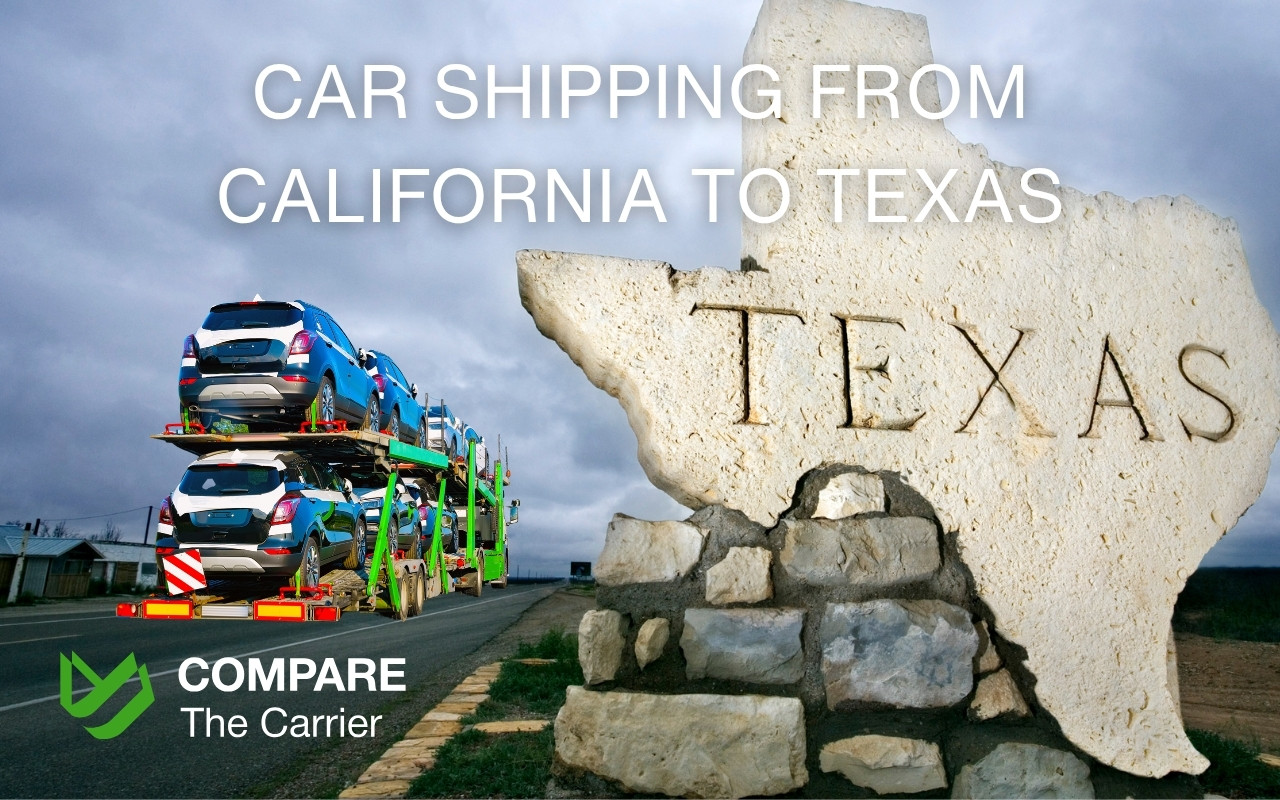
Key Takeaways
Texas has become one of the most popular relocation destinations for Californians in recent years. Whether it’s for a new job in Dallas, retiring near Austin, attending college in Houston, or relocating your dealership inventory, California to Texas vehicle transport is in higher demand than ever.
That demand isn’t just about convenience – it’s also about strategy. Driving over 1,500 miles across state lines can rack up thousands in fuel, lodging, and wear and tear. And if you’re moving a luxury vehicle, a classic, or multiple autos? The risks multiply. That’s why more people are turning to auto transport professionals for safe, cost-effective delivery from California to Texas.
Using a trusted auto transporter through a vetted platform like Compare The Carrier ensures you’re not just getting from CA to TX – you’re getting there with peace of mind, transparent pricing, and expert-backed service.
Let’s break down how it all works – from selecting a transporter to delivery at your new doorstep in Texas.
Shipping a car from California to Texas may sound complicated, but the process is actually streamlined – especially when you work with licensed, experienced carriers. Here’s what to expect when organizing cross-country car shipping California to Texas:
Step 1: Request and Compare Quotes
Begin by using a platform like CompareTheCarrier.com to request multiple quotes from top-rated auto shipping providers. You’ll enter basic details like:
This first step ensures you’re not guessing – you’re comparing real-time quotes from reliable companies with five-star reviews and proper DOT/FMCSA licensing.
Step 2: Select the Best Transport Option
Once you receive your quotes, look beyond just price. Consider:
Working with a broker through CompareTheCarrier allows access to a vetted network of top-rated auto shipping companies, many of which specialize in California to Texas vehicle transport.
Step 3: Schedule Pickup
After choosing your trusted auto transporter, you’ll schedule a pickup date. Most carriers offer a 1-3 day pickup window for flexibility. On the scheduled day:
Step 4: In-Transit Tracking and Updates
During the journey from California to Texas (typically 3–5 days), many best car shipping companies offer real-time tracking or proactive communication via text, email, or phone.
Carriers often pass through major routes like I-10, I-20, or I-40, with common transit hubs including Los Angeles, Phoenix, El Paso, San Antonio, and Dallas.
Step 5: Vehicle Delivery and Final Inspection
Upon arrival in Texas:
Most customers report fast and safe delivery with no hidden fees, especially when working with CompareTheCarrier partners that are FMCSA-compliant and customer-focused.
This door-to-door transport approach is designed to be hassle-free, giving you full control over the process without the stress of a solo cross-country drive.
When planning auto transport from California to Texas, one of the first choices you’ll face is whether to hire a broker or go straight to a carrier. Each option has its pros and cons – but for most individuals, working with a licensed broker offers significant advantages in flexibility, pricing, and protection.
What Is a Carrier?
A carrier owns and operates the transport trucks that physically move your vehicle. Think of them as the hands-on part of the process. While some carriers work independently, most are small to mid-sized businesses operating regionally or nationally.
Pros of Going Direct:
Cons:
What Is a Broker?
A broker does not own trucks but acts as your personal logistics coordinator. They have access to a nationwide network of licensed and insured carriers and can match your shipment with the best fit based on price, timing, and route.
Platforms like Compare The Carrier are advanced brokerage solutions. They let you instantly compare quotes from pre-vetted, top-rated transporters and provide full support throughout the process.
Pros of Using a Broker:
Cons:
Real-World Example:
Let’s say you’re moving from San Diego to Austin in August – a peak relocation month. Booking directly with a carrier might mean waiting over a week to find an available truck on your route.
But using a service like Compare The Carrier? You’ll get multiple quotes within minutes from carriers already scheduled on similar routes. Your car might get picked up in 24–48 hours, often for a better rate.
Key Takeaway
Unless you have an existing relationship with a reputable carrier, working with a broker is the safer, faster, and more cost-effective option – especially for long-distance transport like Texas car delivery from California. You’ll save time, reduce risk, and gain access to customer support and insurance protections that many direct carriers can’t offer on their own.

When planning car shipping from California to Texas, one of the most common questions is: “How much does it cost?” The answer depends on several key factors – but here’s the 2026 baseline:
| Distance | Vehicle Type | Transport Type | Estimated Cost |
| ~1,200–1,700 miles | Standard sedan | Open transport | $700 – $1,050 |
| ~1,200–1,700 miles | SUV/truck | Open transport | $850 – $1,200 |
| ~1,200–1,700 miles | Luxury/classic | Enclosed transport | $1,200 – $1,600 |
For example, shipping a standard sedan from San Francisco to Dallas with open transport typically costs around $1,000–$1,200 with standard delivery. Expedited services or enclosed trailers could raise the price by 25–40%.
Cost Comparison: California Cities to Texas Cities
| Route | Average Price |
| Los Angeles to Houston | $850 – $1,100 |
| San Diego to Dallas | $800 – $1,050 |
| San Francisco to Austin | $950 – $1,200 |
| Sacramento to San Antonio | $900 – $1,150 |
Remember, prices fluctuate based on season, demand, and gas prices. Spring and summer often see a spike due to high relocation activity from snowbirds, students, and families.
Real Customer Case
“We relocated from Long Beach to San Antonio in March 2024. Through Compare The Carrier, we found a 5-star rated auto shipper that picked up our Honda CR-V in two days and delivered it in four. Final cost: $975. Totally worth it vs. driving ourselves.”
– Cindy M., verified review
What Affects the Final Shipping Price?
Several variables influence the California to Texas vehicle transport price. Here’s what carriers factor in:
Longer distances mean more fuel, labor, and wear-and-tear costs. Remote pickup or drop-off points (far from major interstates like I-10 or I-35) can increase your rate.
Heavier and larger vehicles (e.g., trucks or SUVs) take up more space and add weight to the load – raising the price. Inoperable vehicles cost more due to the extra labor and equipment required.
Peak moving seasons (spring and summer) often bring higher demand and prices. Conversely, fall and winter may yield better deals.
Pro Tip to Save Money:
Use Compare The Carrier’s free quote tool to find real-time rates. Booking early, being flexible with pickup windows, and avoiding peak weeks can help lock in the best price.
While we’ve touched on cost ranges, it’s worth taking a deeper look at the specific factors that influence your California to Texas car shipping cost. Understanding these variables helps you avoid surprises and potentially save hundreds of dollars.
1. Vehicle Type, Size, and Condition
Your car’s make, model, and condition play a big role in pricing. Larger vehicles like SUVs, pickup trucks, or vans take up more space and weight, which limits how many other vehicles a carrier can load. That means higher rates for:
Running sedans or compacts cost less to ship. If your vehicle is modified, let the shipper know upfront – unexpected changes at pickup can lead to extra fees or cancellation.
2. Route Popularity and Accessibility
Routes along major corridors (like Los Angeles to Houston or San Diego to Dallas) are more competitive, leading to better pricing and faster availability. But if you’re shipping from or to remote or rural areas – say, Big Bear or the Texas Panhandle – expect:
3. Transport Type: Open vs. Enclosed
4. Shipping Timeframe and Flexibility
Speed matters. If you’re on a tight schedule and need expedited pickup or delivery, be prepared to pay more.
Tip: Being flexible with pickup dates (e.g., “anytime next week”) gives carriers room to match you with a truck already on your route – often resulting in lower costs.
5. Market Conditions: Fuel, Labor, and Seasonality
Auto transport is a demand-driven market. Prices fluctuate based on:
6. Extras and Special Services
Don’t forget to factor in:
Pro Tip: Avoid low-ball offers from unknown providers. If a quote is much lower than the rest, it’s likely missing key services or uses non-licensed carriers. Always check the carrier’s USDOT number and customer reviews on FMCSA.gov and BBB.org.

When planning auto transport from California to Texas, timing matters nearly as much as cost. Whether you’re moving for work, school, or snowbirding to a second home, knowing how long your vehicle will be in transit helps you plan everything else – like travel, lodging, or airport pickups.
Here’s what you can expect.
Average Delivery Time: 3 to 6 Days
Most standard shipments from California to Texas take between 3 to 6 days once your vehicle is picked up. The exact duration depends on:
| Route | Average Delivery Time |
| Los Angeles to Dallas | 3–4 days |
| San Diego to Austin | 3–5 days |
| San Francisco to Houston | 4–6 days |
| Sacramento to San Antonio | 4–5 days |
Pickup Windows vs. Transit Time
It’s important to distinguish between two separate timeframes:
Total time from booking to delivery: Around 7 to 10 days in most cases, though faster options are available.
Want It Faster? Consider Expedited Shipping
Some situations can’t wait. If you need a vehicle urgently – say, for a new job start date or a sold home closing – you can opt for expedited or guaranteed delivery. These services typically shorten:
Note: Expedited shipping adds a premium of 20–40%, but is well worth it for time-sensitive moves.
External Factors That Can Delay Transport
Even the best trusted auto transporters are subject to forces beyond their control. Delays may occur due to:
Reputable carriers – especially those on Compare The Carrier – will communicate proactively and provide updates along the route. That’s why using a platform with strong customer support is critical.
Pro Tip: Ask About GPS Tracking or Status Updates
Many top-rated auto shipping providers offer real-time tracking, either via GPS or text/email updates. This transparency lets you plan confidently for vehicle arrival.
In short: if you’re flexible, standard service offers great value. If you’re on a deadline, go expedited. Either way, knowing the California to Texas auto transport timeline helps you take control of your move.
Proper preparation is essential for a smooth and stress-free car shipping from California to Texas experience. A few simple steps can prevent delays, avoid extra charges, and ensure your vehicle arrives in Texas in the same condition it left California.
Here’s a proven checklist to get your car transport-ready:
1. Wash Your Car (Inside and Out)
A clean car helps you and the carrier accurately inspect and document its condition before pickup. Dirt can hide dings, dents, and scratches. A clean interior prevents items from sliding around and potentially causing damage.
Pro Tip: Take detailed photos of your vehicle from multiple angles before pickup. Include close-ups of any existing damage and time-stamp the images.
2. Inspect for Existing Damage
Document all cosmetic and mechanical issues. You’ll go over this again with the driver during the Bill of Lading (BOL) inspection, but having your own reference is key for insurance claims – just in case.
3. Remove All Personal Items
Auto carriers are not licensed to transport personal belongings, and they are not covered by insurance. Remove:
A few lightweight, non-valuable items may be allowed in the trunk (up to 100 lbs) – check with your carrier in advance.
4. Check for Leaks and Maintenance Issues
Have a mechanic look at:
Any leaks or mechanical issues should be addressed before shipping. Carriers may refuse to load a vehicle that poses a risk to other cargo.
5. Leave a Quarter Tank of Gas
Your car only needs enough fuel to be driven on and off the carrier – ¼ tank is ideal. Full tanks add unnecessary weight and increase fire risk.
6. Secure and Disable
7. Prepare Required Documents
Though you don’t need to be present for delivery, be sure to provide:
8. Coordinate with the Carrier for Pickup
Whether you’re using door-to-door or terminal-to-terminal service, make sure:
If direct access isn’t possible, you may arrange to meet the driver at a nearby open area, like a shopping center or large parking lot.
Final Thoughts on Preparation
Taking the time to prep your vehicle properly ensures safe and efficient delivery from CA to TX. It also minimizes the risk of disputes or damage claims.
Remember, reliable carriers – like those listed on Compare The Carrier – will guide you through this process with full transparency and support. Their experienced staff will walk you through inspections, document handling, and any custom instructions for your vehicle.
When it comes to car shipping from California to Texas, one of the most important decisions you’ll make is whether to choose open or enclosed transport. Each option has its own pros, cons, and price points and the right choice depends on your vehicle, budget, and personal preferences.
Let’s look at the key differences to help you make the best call.
Open Auto Transport: The Standard and Most Popular Option
Open car carriers are the industry standard, hauling up to 10 vehicles at a time.
Pros: 30–40% cheaper than enclosed; faster scheduling; efficient and safe. Cons: Exposed to weather, dust, and road debris; not ideal for high-end or specialty vehicles. Ideal for: Daily drivers, used cars, standard sedans, SUVs, and trucks.
Enclosed Auto Transport: Premium Protection
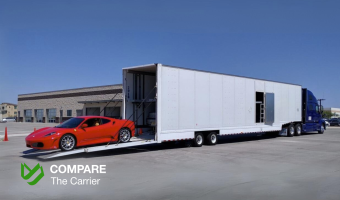
Enclosed trailers transport fewer vehicles (typically 1–5) and shield them completely from the environment.
Pros: Maximum protection from rain, snow, UV rays, and debris; often includes higher insurance coverage; drivers trained to handle premium and rare cars. Cons: Higher cost (typically $300–$600 more); fewer carriers available, meaning longer wait times. Ideal for: Luxury or exotic cars, classic or antique vehicles, newly restored or showroom-ready autos, custom paint jobs.
Quick Comparison Table
| Feature | Open Transport | Enclosed Transport |
| Cost | $$ (budget-friendly) | $$$$ (premium pricing) |
| Protection | Standard (weather exposure) | Maximum (fully enclosed) |
| Availability | High | Limited |
| Best for | Daily-use, used vehicles | Luxury, classic, or high-value autos |
Final Word on Choosing Transport Type
Final Word: If your car is a standard daily driver and you’re comfortable with basic weather exposure, open transport is your best value. But if your vehicle is rare, valuable, or irreplaceable, enclosed shipping is worth the investment for peace of mind.
Shipping out of California to Texas or beyond? Here are the top routes our carriers run most often from the Golden State:
Shipping into California from Texas or elsewhere? Here are the top routes our carriers run most often into the Golden State:
Explore the full California auto transport and Texas auto transport hubs for routes to and from any other state.
In Transit: Communication Is Key
Most top-rated auto shipping companies provide regular updates via phone calls, texts, email, or GPS tracking links.
Drop-Off Options: Door-to-Door vs. Terminal
Door-to-Door Delivery – The most convenient method; the driver delivers as close to your destination as legally and safely possible. Terminal-to-Terminal Delivery – Your car is dropped at a designated terminal for pickup at your convenience; may save money but is less common outside metro areas.
Delivery Time Windows
Most deliveries are scheduled within a 2–6 hour window, with your carrier contacting you 24 hours in advance and providing a narrower ETA on delivery day.
Final Inspection and Bill of Lading
Inspect your car thoroughly upon arrival, compare it with your pre-shipping photos, and note any changes on the BOL before signing.
If Damage Occurs (It’s Rare)
Document everything with photos, note the issue on the BOL before signing, and file a claim through the carrier’s insurance if needed.
Choosing the right auto shipping company isn’t just about finding the lowest quote – it’s about ensuring your vehicle is in safe, reliable hands every mile from California to Texas. That’s where CompareTheCarrier.com makes a difference.
This platform isn’t a generic marketplace or a middleman that disappears after booking. It’s a comprehensive, user-focused tool designed to save you money, protect your vehicle, and connect you with top-rated auto shipping professionals, backed by data, reviews, and decades of experience in the transport industry.
Instantly Compare Pre-Vetted Carriers
At Compare The Carrier, every transporter is:
This isn’t a “wild west” of unverified companies. You’re comparing real offers from reliable, regulated experts in cross-country shipping.
Real Reviews. Real Confidence.
Don’t just take our word for it. The platform features verified customer reviews that highlight:
With five-star reviews at your fingertips, you’re not guessing – you’re making informed choices.
Get the Best Price – Without the Hassle
Because Compare The Carrier works with a network of national and regional auto shippers, you can instantly compare:
This competitive marketplace helps you lock in the best California to Texas car shipping cost, often saving $100–$300 compared to calling around on your own.
Customer Support That Stays With You
Unlike many broker platforms, CompareTheCarrier offers brokers with dedicated customer support before, during, and after your shipment. That includes:
You’re never on your own – support is available via phone, email, and chat.
Trusted by Thousands of Drivers
Whether you’re:
CompareTheCarrier.com is built to help you find the best rates. Fast, safe, and simple.
Built for Speed and Simplicity
Transporting your car from California to Texas doesn’t have to be stressful, expensive, or uncertain. With the right planning and a trusted partner like CompareTheCarrier.com, you can move your vehicle with confidence – without the wear, the miles, or the hassle.
Final Checklist: Seamless Auto Transport from CA to TX
Get an instant, no-obligation estimate with our auto transport calculator, or explore our car shipping services to see how Compare The Carrier connects you with vetted, licensed carriers.
When shipping a vehicle cross-country, it’s normal to have questions. Here are clear, honest answers to the most common concerns people have about auto transport California to Texas – so you can feel confident and informed every step of the way.
On average, expect to pay $850–$1,400, depending on vehicle type, shipping method (open vs. enclosed), distance, and season. Open transport for a sedan typically runs $850–$1,300; enclosed shipping for a luxury car runs $1,600–$2,200.
Transit typically takes 3 to 6 days once your vehicle is picked up. Total time from booking to delivery is usually 7 to 10 days. Expedited shipping is available if you need faster service.
Yes. All carriers are required by the FMCSA to carry cargo insurance, usually ranging from $100,000 to $250,000. Review the policy and ask about deductibles.
Most carriers allow up to 100 lbs of non-valuable items in the trunk, but they’re not insured and it’s not recommended. Extra weight may also increase your quote.
Brokers (like Compare The Carrier) connect you with licensed, vetted carriers and offer more flexibility, better prices, and customer support. Carriers own the transport trucks and perform the shipment directly.
Use enclosed auto transport for high-value, antique, or exotic cars – it provides full protection from weather and road debris, and often comes with increased insurance coverage.
Many top-rated auto shipping companies offer GPS tracking or proactive status updates via text, email, or phone. Always ask your carrier about tracking options before booking.
Inspect your vehicle thoroughly upon delivery. If you notice damage, note it on the Bill of Lading, take photos immediately, and file a claim through the carrier’s insurance.
Ideally, yes. If you can’t be there, you may authorize someone else (with ID) to sign on your behalf.
Delivery dates are estimates. Carriers may arrive a day early or late due to weather, traffic, or route changes – they should communicate any changes proactively.
Yes. Open transport is used for 90%+ of all car shipments, including new cars delivered to dealerships. Damage is very rare when you work with licensed, insured carriers.
Book at least 7–10 days in advance for the best rates and availability. During peak seasons (spring/summer), 2–3 weeks is ideal.
For most private shipments: a valid photo ID, proof of ownership (title or registration), and a shipping agreement/Bill of Lading provided by the carrier.
Yes, but it must be disclosed up front. Non-running vehicles require special equipment and usually cost $100–$200 more.









Don't have time to fill out the form?
Call a transport company directly to get a quote now!
Select the category you need
Partner with Compare The Carrier & Grow!
We're open to collaborations, partnerships, and mutual growth! Whether you're an individual or a business, we offer exciting opportunities to work together. Fill out the form below to explore how we can collaborate.
Something Went Wrong
We're sorry, but something went wrong. Please briefly describe the problem you experienced in the text area below. Providing your contact information will allow us to follow up if needed.

Thank you,
your form has been accepted.
Your form has been successfully submitted. We appreciate your effort — our team will review it shortly and take the next steps.


