

Auction Car Shipping Guide In 2026
Have you ever thought that almost eleven million cars are...
24 January 2022
State-to-state car towing costs $250–$1,500 depending on distance and method. Whether you’re searching for towing a car from state to state, how to tow a car to another state, car towing across states, or a towing service from state to state – in most cases what you actually need is auto transport, which is cheaper, safer, and doesn’t add miles to your odometer.
Calculate Shipping Quotes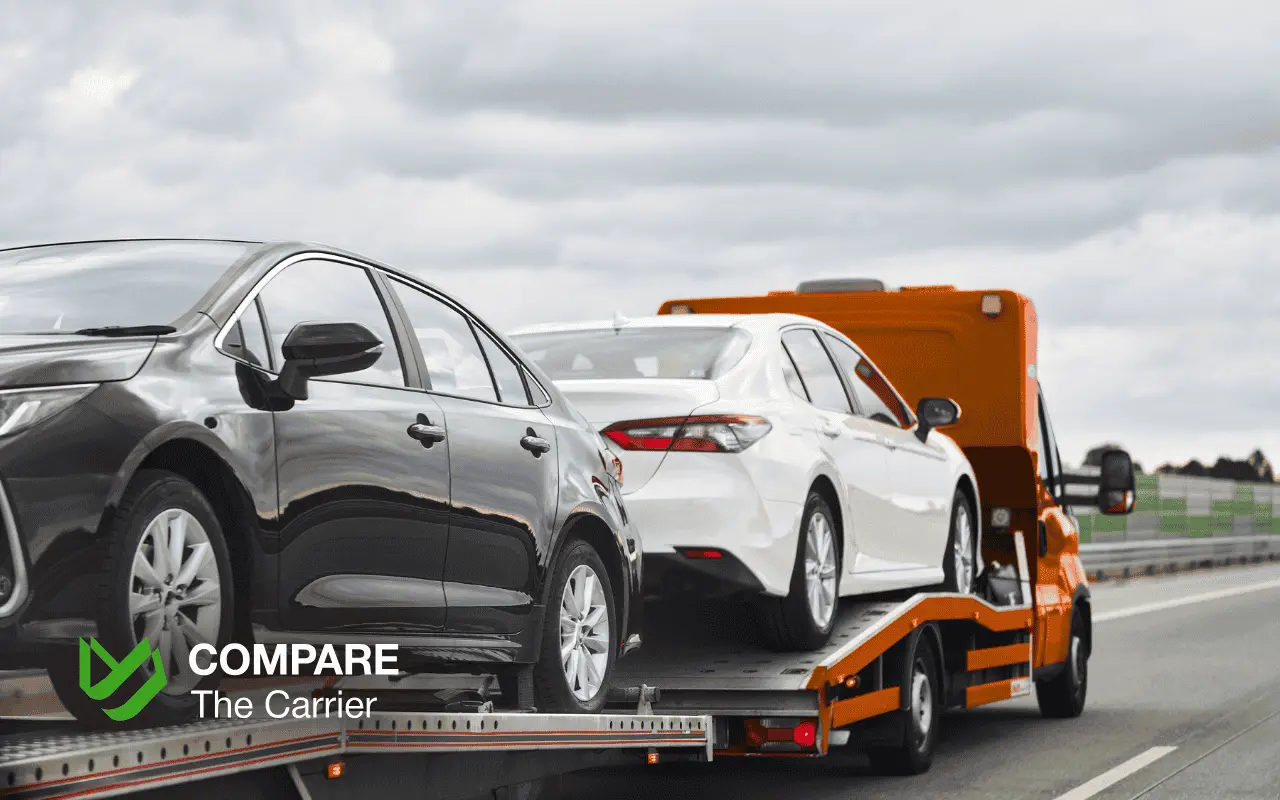
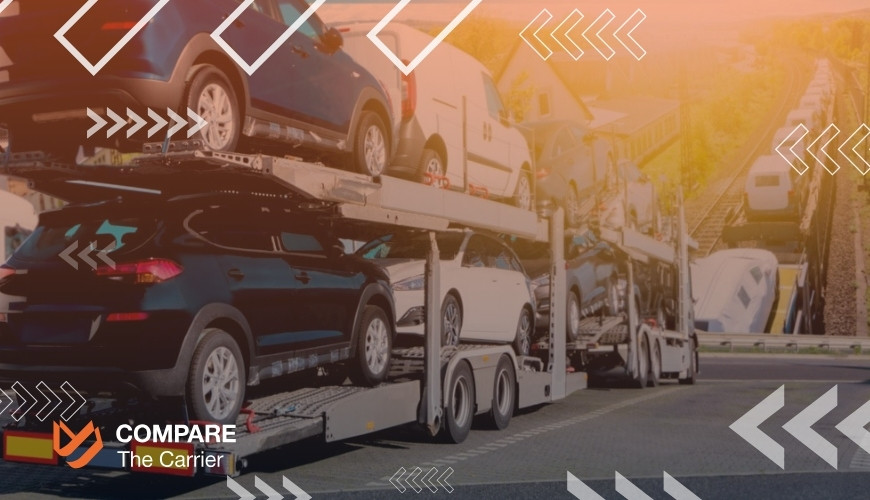
When moving a vehicle across state lines, the logistics change entirely compared to a local tow. Traditional towing physically drags the vehicle, adding wear to the drivetrain and tires. Auto transport involves loading the vehicle entirely off the ground onto a multi-car carrier – no miles added to the odometer, no wear on mechanical components during transit. Understanding this distinction is the first step in protecting both your vehicle and your budget.
This guide covers every method available in the US market, complete with 2026 industry average rates, step-by-step instructions, and the exact checklist you need to avoid fraud. Before choosing between state-to-state car towing options, compare all available methods by cost, transit time, and vehicle wear:
| Method | Best For | Cost (1,000 mi) | Transit Time | Vehicle Wear |
| Tow Dolly (DIY) | FWD cars, <300 mi | $200–$400 | Self-driven | YES |
| Flatbed Tow Truck | Emergency/inoperable | $1,500–$3,000 | 2–5 days | None |
| Open Carrier | Most vehicles, any distance | $800–$1,200 | 3–10 days | None |
| Enclosed Carrier | Luxury/classic/exotic | $1,150–$1,7500 | 5–14 days | None |
| Driveaway Service | Running cars, flexible budget | $500–$900 | 3–7 days | Minimal |
Not sure which method fits your route and budget? Use our free State-to-State Car Shipping Calculator to get an instant 2026 rate estimate for your specific origin and destination.
Driveaway service works differently from every other method in the table: instead of loading your vehicle onto a trailer, a professional driver physically drives it from pickup to delivery under its own power. Pricing is competitive – typically $500–$900 per 1,000 miles – and door-to-door delivery on major corridors often comes in faster than standard carrier dispatch. The core tradeoff is mileage: the full trip distance gets added to your odometer. For a standard commuter car that’s rarely a dealbreaker, but for a leased vehicle approaching its mileage cap, a low-mileage collectible, or any car where odometer readings affect value, it’s a meaningful consideration. Driveaway also requires the vehicle to be fully operational and is not recommended for AWD or RWD vehicles without confirming the company’s specific handling protocol for those drivetrains. For most interstate moves, open carrier remains the lower-risk default – but if you’re on a busy corridor with a running car and a flexible budget, driveaway is a legitimate option worth pricing out.
Based on 2026 market data, open carrier shipping emains the dominant choice for 95% of state-to-state car towing and transport moves – cheaper, faster, and safer than a traditional tow truck for any planned interstate relocation.
Whether you’re relocating, buying a car online, or moving as a snowbird – the method you choose determines whether you pay $700 or $3,000 for the same distance.
Quick links to navigate this article:
The terminology used in the logistics industry differs from what consumers type into search engines. Many people search for “car towing state to state,” but towing and auto transport are entirely different mechanical processes – and choosing the wrong one can cost you hundreds of dollars or permanently damage your vehicle.
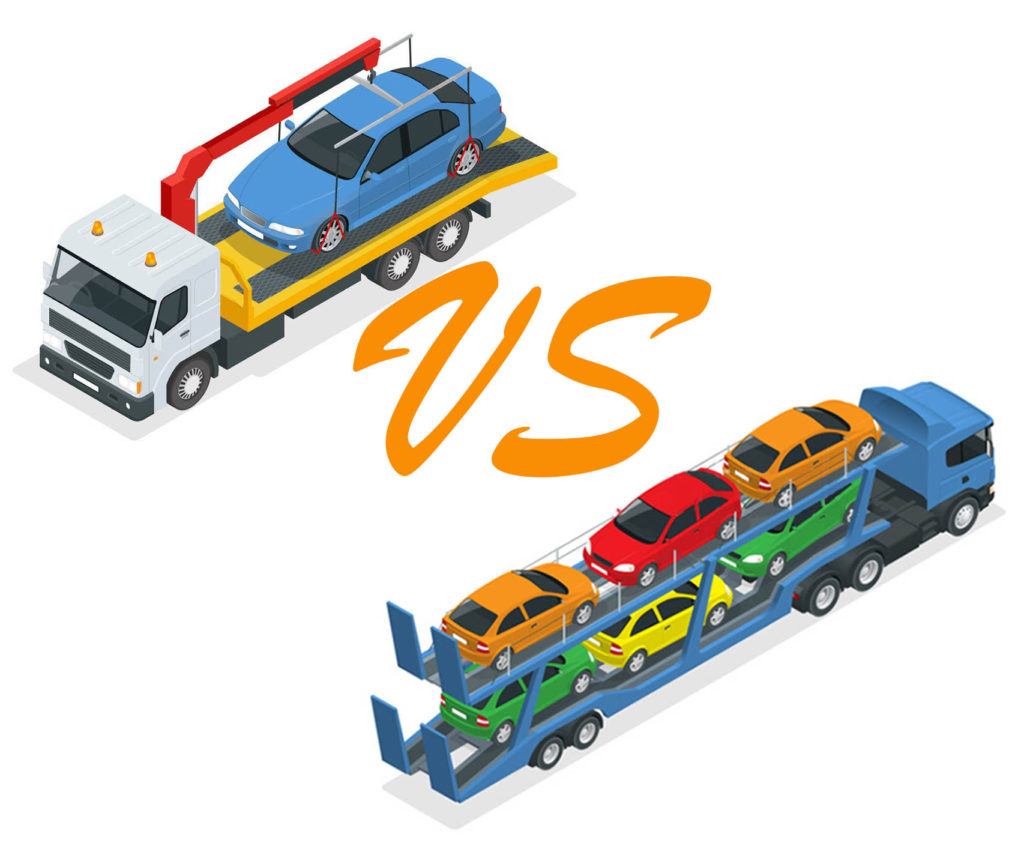
Towing means physically pulling a vehicle with two or more wheels in contact with the road surface. This adds actual mileage to the tires, engages the suspension and drivetrain under load, and carries a serious risk of internal damage if an all-wheel-drive (AWD) or rear-wheel-drive (RWD) vehicle is towed incorrectly. For AWD vehicles especially, improper towing on a dolly can destroy the transfer case within a few hundred miles – a repair that routinely costs $2,000–$5,000.
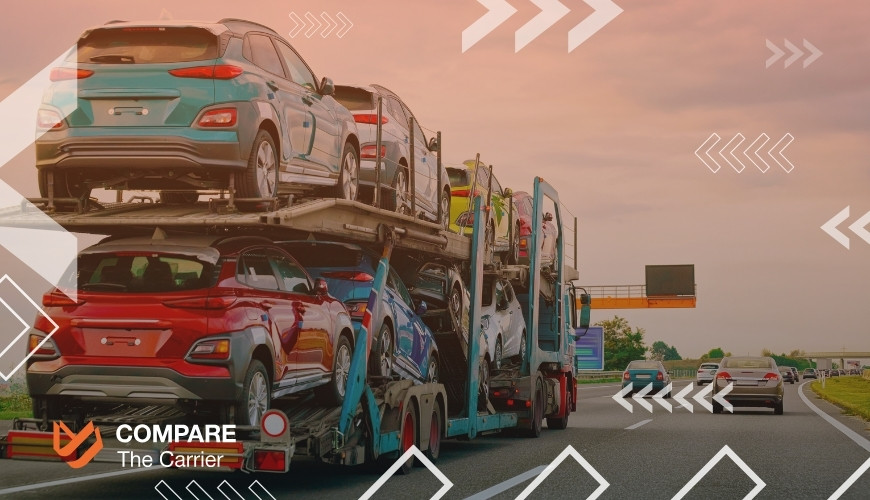
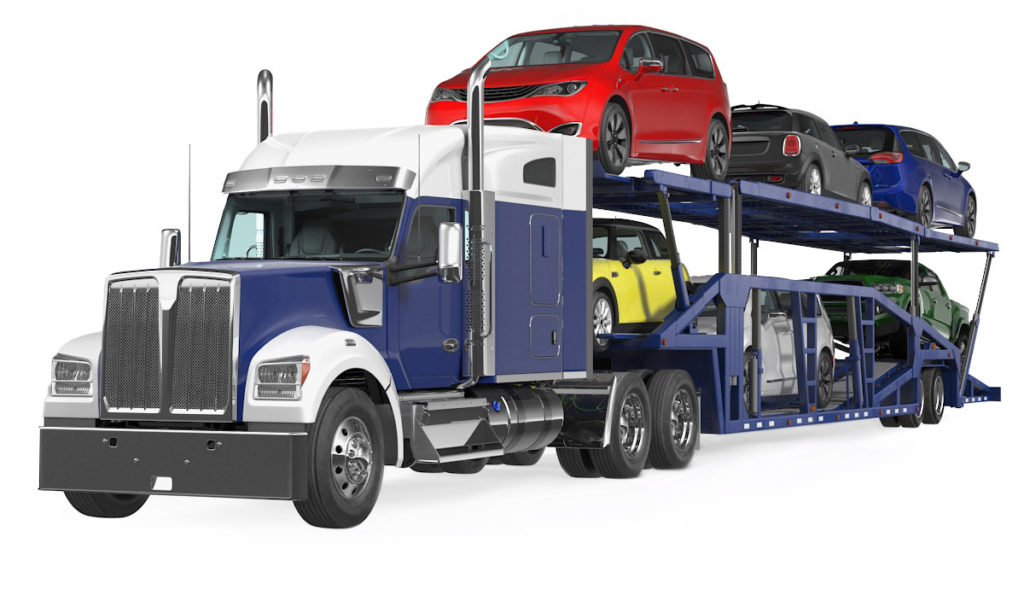
Auto transport involves driving or winching the vehicle onto a specialized multi-car carrier trailer. All four wheels sit securely on a steel deck. Zero miles are added to the odometer, and the vehicle’s mechanical components undergo zero operational stress during transit. The car travels exactly as it would in a parking garage – stationary, protected, and untouched.
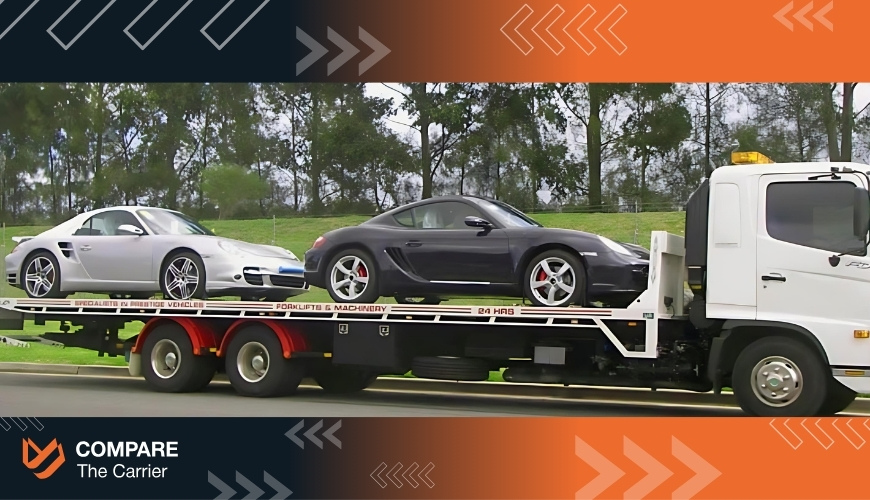
If you’ve searched for “towing car from state to state” or “car towing from state to state,” you’ve likely encountered two very different services being marketed under the same term. True long-distance towing, a flatbed tow truck physically hauling your vehicle across multiple state lines exists but costs $2.50–$7.00 per mile. At that rate, a 1,000-mile move costs $2,500–$7,000 for a single vehicle.
The alternative is open carrier auto transport: your car is driven onto a multi-car trailer, strapped down securely, and delivered to your destination for $0.60–$1.10 per mile with zero mechanical wear and full cargo insurance included. For any planned interstate move, this is the option that makes financial and practical sense.
A professional towing service from state to state via open carrier takes 3–10 days on most US routes, requires no driving on your part, and is booked with a licensed FMCSA carrier in minutes online.
Most people searching for “towing from state to state” or “car towing across states” fall into the second category. If your vehicle runs and you’re planning a move, relocation, or out-of-state purchase – open carrier auto transport is the correct service.
| Parameter | DIY Tow Dolly | Flatbed Tow Truck | Open Carrier | Enclosed Carrier |
| Cost (1,000 mi) | $200–$400 | $1,500–$3,000 | $800–$1,200 | $1,150–$1,750 |
| Vehicle wear | YES (rear wheels) | None | None | None |
| Works for RWD/AWD | No | Yes | Yes | Yes |
| Inoperable cars | No | Yes | No* | No* |
| Insurance included | No | Yes | Yes | Yes |
| Best for | FWD <300 mi | Emergency/breakdown | Standard moves | Luxury/classic |
| Transit time | Self-driven | 2–5 days | 3–10 days | 5–14 days |
*Inoperable vehicles can use open/enclosed carriers with winch loading for an added $150–$500 surcharge.
The table reveals that traditional flatbed tow trucks are prohibitively expensive for anything over 500 miles, often costing three to five times as much as open carriers for the same distance. Auto transport leverages economies of scale by moving 6 to 10 vehicles on a single diesel rig, allowing carriers to pass those savings to the consumer while providing equal or superior vehicle protection. For any planned interstate move, open carrier auto transport is almost always the rational financial choice.
Executing a state-to-state vehicle move requires precision at every stage. Skipping steps during the preparation or documentation phases can cause delays, void your damage claim, or leave you financially liable for issues the carrier caused. Follow this process in full.
Prices on the auto transport spot market fluctuate daily based on fuel prices, driver availability, and seasonal demand cycles. Securing a fair rate requires comparing multiple competing offers – not just taking the first number a broker gives you.
You can see a route estimate without entering an email or phone number before you start requesting quotes — useful for knowing the market range going in.
Red flags to reject immediately: any demand for 100% payment before a driver is assigned, no DOT/MC number listed anywhere on the website or in the quote document, pricing 30%+ below the market rate for your specific route, and no verifiable physical business address.
Selecting the right equipment depends on your vehicle’s value, ground clearance, and your available budget.
| Situation | Best Choice |
| Standard sedan / SUV / truck | Open carrier |
| Luxury car ($50K+) | Enclosed |
| Classic or exotic car | Enclosed |
| Any vehicle, budget priority | Open |
Beyond the trailer type, you need to make two additional service decisions:
Carriers operate under strict federal weight limits and safety regulations. An unprepared vehicle can delay loading, and in some cases the driver may refuse pickup entirely, resulting in a rebooking fee.
The Bill of Lading (BOL) is the legal contract between you and the carrier. It is also the only document that enables a damage claim if something goes wrong during transit. Treat it with the same seriousness you would a real estate or financial document.
The delivery inspection is where your preparation from Step 3 pays off. Your pickup photographs and BOL are your evidence – use them actively.
| Step | Action | Time Required | Key Detail |
| 1 | Get & compare quotes | 1–2 days | Minimum 3 quotes; verify DOT/MC for each |
| 2 | Book & confirm | 15–30 min | Most companies charge $0 deposit until driver assigned |
| 3 | Prepare car | 1–2 hours | Photos + odometer + 7-point checklist |
| 4 | Pickup + BOL | 20–45 min | Document every defect BEFORE signing |
| 5 | Transit | 3–14 days | Track via carrier; delivery window = 1–3 days |
| 6 | Delivery + BOL | 20–30 min | Daylight inspection; don’t sign if damage found |
The transit phase is the longest portion of the process, but the pickup and delivery steps demand your full, undivided attention. Spending 20–30 minutes on a thorough BOL review at both ends is the single most effective way to protect yourself financially during state-to-state car shipping.
Understanding auto transport cost per mile requires examining three distinct variables simultaneously: total distance traveled, vehicle size and weight, and current seasonal demand on your specific route. No single factor determines the final price in isolation.
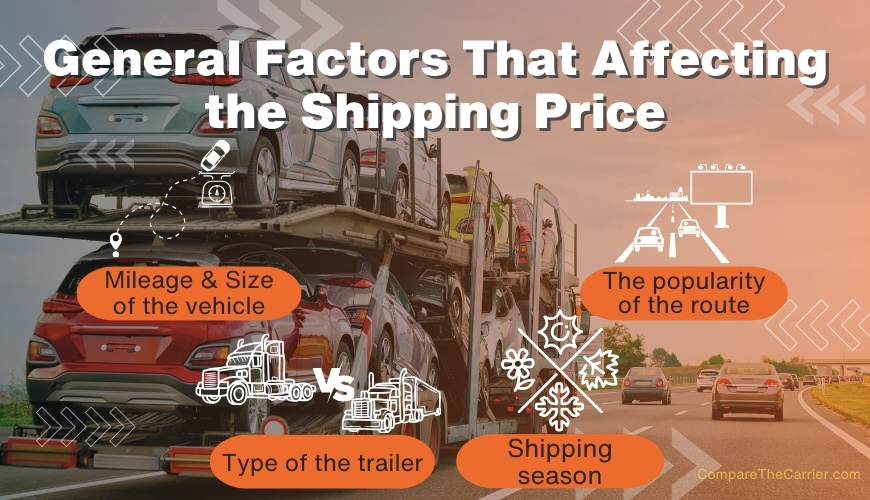
Rates drop on a per-mile basis as total trip distance increases. Carriers maximize revenue by keeping trucks moving on long uninterrupted highway segments rather than stopping frequently for short-haul pickups. This efficiency gets passed to the customer through lower per-mile pricing on longer routes.
| Distance | Open Carrier (sedan) | Enclosed | Tow Truck | Best Choice |
| Under 100 miles | $250-$450 | $350-$650 | $250-$600 | Open carrier or tow truck |
| 100-300 miles | $350-$550 | $500-$800 | $500-$1,200 | Open carrier |
| 300-500 miles | $450-$700 | $650-$1,050 | $900-$1,800 | Open carrier |
| 500-1,000 miles | $600-$950 | $850-$1,400 | $1,500-$3,000 | Open carrier |
| 1,000-2,000 miles | $800-$1,200 | $1,150-$1,750 | $3,000-$5,500 | Open carrier |
| 2,000+ miles | $1000-$1,500 | $1,400-$2,200 | $5,000-$8,000+ | Open carrier |
Crossing the 500-mile threshold effectively eliminates tow trucks as a financially viable option – they cost two to three times more than open carrier for the same job. The most significant per-mile savings kick in above 1,000 miles, where carrier efficiency peaks and fuel costs are distributed across a full load of vehicles.
An auto transport trailer operates under a fixed maximum gross vehicle weight set by the Department of Transportation – typically 80,000 lbs. Heavier and taller vehicles consume more of that legal capacity per slot, which is why trucks and vans command higher per-mile rates than sedans on every route.
| Vehicle Type | Under 500 mi | 500–1,000 mi | 1,000–1,600 mi | 1,600–2,400 mi | Over 2,400 mi |
| Sedan | $1.00–1.30/mi | $0.90–1.10/mi | $0.60–0.90/mi | $0.60–0.80/mi | $0.40–0.60/mi |
| SUV / Crossover | $1.50/mi | $1.20–1.50/mi | $0.90–1.20/mi | $0.70–1.00/mi | $0.60–0.80/mi |
| Pickup Truck | $1.80/mi | $1.40–1.80/mi | $1.00–1.30/mi | $1.00/mi | $0.80–1.00/mi |
| Minivan / Van | $2.00–2.50/mi | $1.50–2.00/mi | $1.00–1.50/mi | $0.80–1.20/mi | $0.80–1.00/mi |
| Inoperable surcharge | +$150–$500 | +$150–$500 | +$150–$500 | +$150–$500 | +$150–$500 |
Shipping a standard sedan cross-country drops into the $0.40–$0.60 per mile range – the lowest rate in the industry. Moving a full-size pickup truck or cargo van costs nearly double on the same route because that vehicle occupies roughly 30–40% more carrier capacity than a standard compact car, reducing the number of paying slots available on the trailer.
Most people assume renting a tow dolly saves money. The math often says otherwise. The daily rental fee looks attractive in isolation, but every additional cost associated with a multi-day highway trip compounds quickly – and most of these expenses are unavoidable once you commit to the route.
| Cost Item | DIY Tow Dolly | Open Carrier | Notes |
| Base cost | $250–$400 (rental) | $700–$1,000 | Rental = $50–80/day × 3–5 days |
| Fuel (extra consumption) | $180–$300 | $0 | Towing drops mpg by 25–40% |
| Hotel (2 nights) | $160–$260 | $0 | 1,200 mi = 2 days driving |
| Tolls (higher axle rate) | $40–$100 | $0 | Several states charge by axle count |
| Rental insurance | $45–$90 | $0 (included) | Often mandatory with truck rentals |
| Lost work time | $200–$600+ | $0 | 2–3 days × your daily rate |
| Risk of vehicle damage | $0–$2,000+ | Carrier liability | Drivetrain, tires, suspension |
| TOTAL | $875–$3,750+ | $700–$1,000 | DIY is often MORE expensive |
Advice
Before choosing DIY, add up all these costs. For most routes over 800 miles, open carrier auto transport is cheaper – and you don’t lose days of your life on the highway.
For a detailed head-to-head comparison, read Tow Dolly vs Car Hauler: Which Is Better?
Factor in the physical reality of maneuvering an unfamiliar, heavily loaded trailer through construction zones, mountain grades, and variable weather for two full days – and the case for professional transport becomes undeniable. Beyond the financial argument, tow dolly rentals are mechanically incompatible with AWD and RWD vehicles entirely, removing the DIY option for a large portion of the vehicle market at the outset.
The auto transport spot market follows predictable seasonal demand cycles driven primarily by snowbird migration, summer relocation peaks, and academic calendar moves. Knowing these patterns in advance lets you book at the lowest available rate rather than paying a premium because timing caught you off guard.
| Month | Season | Demand | Price Impact | Recommendation |
| January–February | Off-season | Low | At or below base rate | Best time to ship – book 1–2 weeks ahead |
| March–April | Spring pickup | Medium | Base rate | Good timing; carriers moving north |
| May–August | Summer peak | High | +10–20% above base | Book 3+ weeks in advance |
| September–October | Pre-snowbird | High | +15–25% | Busiest corridor: NY/IL → FL |
| November–December | Snowbird peak | Very High | +20–30% | Book 4–6 weeks ahead |
For snowbird-specific timing and routes, see our Snowbirds Auto Transport 2026 Guide.
January and February offer the lowest baseline rates of the year due to idle carrier capacity – fewer people are moving, so drivers compete harder for available freight. Attempting to book a southbound route in November without budgeting for a 20–30% premium will result in your vehicle sitting at the pickup location for an extended period while dispatchers prioritize higher-paying loads on the same corridor.
Millions of Americans buy cars on eBay Motors, Facebook Marketplace, Craigslist, and dealer websites – often in states they have never visited. Expanding your search nationally unlocks access to specialized inventory and pricing structures that simply do not exist in your local market. Rare trims, low-mileage examples, and wholesale pricing at regional auctions are all inaccessible to buyers who limit themselves to a 50-mile radius. This section covers the full process of purchasing and transporting an out-of-state vehicle safely and cost-effectively.
| ✅ Advantages | ❌ Disadvantages |
| Access to the entire US market | Cannot test drive before buying |
| Average savings of $1,000–$5,000 vs local dealer | Shipping cost: $500–$1,400 extra |
| Find rare models, trims, and colors | Risk of hidden defects – need pre-purchase inspection |
| Avoid dealer add-ons and markups | Registration in home state is a separate process |
| Convenient online purchase process | Title transfer can take 30–60 days |
The primary risk – buying a vehicle unseen – is manageable with one critical, non-negotiable step: contract an independent mechanic located near the seller to perform a pre-purchase inspection (PPI) before you send any money. A comprehensive PPI typically costs $100–$200 and provides a thorough physical assessment of the vehicle’s mechanical and cosmetic condition, ensuring that a $2,000 purchase discount isn’t concealing a $4,000 transmission failure or a reconstructed title.
States with no sales tax or capped tax rates offer meaningful savings on vehicle purchases. When calculating the total landed cost of an out-of-state acquisition, the purchase state’s tax policy directly affects your net savings margin.
| # | State | Sales Tax (avg) | Notes |
| 1 | New Hampshire | 0% | No sales tax at all |
| 2 | Oregon | 0% | No sales tax |
| 3 | Montana | 0% | No sales tax; remote locations mean higher shipping |
| 4 | Delaware | 0% | No sales tax |
| 5 | Alaska | 0% (state) | No state sales tax; local taxes may apply |
| 6 | North Carolina | 3% | Capped at $500 maximum tax per vehicle |
| 7 | Virginia | 4.15% | Flat rate regardless of vehicle price |
| 8 | Iowa | 5% | Below-average vehicle prices |
| 9 | Mississippi | 5% | Among the lowest average used car prices |
| 10 | Missouri | 4.23% | Low registration fees |
Savings from a lower-tax purchase state can offset shipping costs entirely, making an out-of-state transaction financially worthwhile even after paying a carrier. Note that many states calculate your final tax liability based on where you register the vehicle – not where you bought it – so verify reciprocity rules with your local DMV before assuming you will capture the full tax savings.
Most dealerships do not organize shipping themselves, but they will fully cooperate with your chosen carrier for pickup. The driver calls the dealership ahead of time, arrives at the lot, and loads the vehicle during normal business hours. Large dealer groups like AutoNation, Carvana, and CarMax operate their own logistics networks. Carvana delivers to 300+ cities at no charge or for a flat $590 fee depending on the route. For any independent or franchise dealer, simply book a carrier and provide the dealership’s address and contact information as the pickup location.
Route popularity directly determines pricing on the spot market. High-volume corridors like Florida to New York have hundreds of carriers running continuous return loops, which drives prices down through sustained competition. Remote or low-volume routes cost significantly more because carriers have fewer opportunities to secure loaded return trips, forcing them to charge premium rates on the initial leg to cover the empty miles they will drive back.
| Route | Distance | Open Carrier | Tow Truck | Transit | Notes |
| Florida ↔ New York | 1,280 mi | $900-$1,150 | $3,500–$5,000 | 5–8 days | Most popular corridor in the US |
| California ↔ Texas | 1,430 mi | $950-$1,200 | $4,000–$5,500 | 5–9 days | High demand in both directions |
| California ↔ New York | 2,800 mi | $1,100-$1,400 | $7,000–$9,000 | 7–14 days | Longest popular route |
| Illinois ↔ Florida | 1,330 mi | $900-$1,150 | $3,700–$5,200 | 5–8 days | Snowbird corridor |
| Georgia ↔ California | 2,200 mi | $1,000-$1,300 | $5,500–$7,500 | 6–12 days | Growing demand |
| Ohio ↔ Texas | 1,400 mi | $900-$1,150 | $3,800–$5,300 | 5–9 days | Mid-range route |
| Washington ↔ Florida | 3,000 mi | $1,150-$1,500 | $7,500–$10,000 | 8–14 days | Longest route in this list |
| Colorado ↔ Florida | 1,900 mi | $950-$1,250 | $5,000–$6,500 | 6–10 days | Rising demand |
If your pickup and delivery addresses sit directly on or near major interstates (I-95, I-10, I-40), you will secure dispatch significantly faster and likely at a lower rate. Dispatching a truck deep into rural territory requires the carrier to burn unpaid “deadhead” miles to reach your location, and that additional operating cost gets incorporated into your final quote.
Shipping to or from a low-traffic state requires a fundamentally different strategy compared to booking on a high-volume corridor. Carrier availability is genuinely limited in these markets, and the approaches below materially improve your outcome and reduce cost.
The auto transport industry contains legitimate, professional carriers – and a persistent population of online scammers. The barrier to entry for fraudulent logistics brokers is notoriously low, resulting in hundreds of bait-and-switch operations active at any given time. This 5-step checklist takes 10 minutes and protects you from the most common fraud patterns in the industry.
| 🚩 Red Flags – Walk Away | ✅ Green Flags – Safe to Proceed |
| Demands 100% payment before driver is assigned | Payment due only after driver confirmation |
| No DOT/MC number on website or in quote | Active DOT/MC verified on FMCSA SAFER |
| Price 30%+ below market rate for the route | Price within normal market range |
| Refuses to provide Certificate of Insurance | Provides COI on request |
| Only a P.O. Box, no physical address | Real address verified on Google Maps |
| Reviews only on their own website | Reviews on Transport Reviews, BBB, Google |
Never trust a price that drastically undercuts the market median for your route. Unlicensed brokers deliberately quote well below the going rate to secure a non-refundable deposit, then contact you days before pickup claiming no drivers will accept the low rate – demanding additional payment to move the vehicle. Verifying FMCSA compliance before making any payment eliminates exposure to this tactic entirely.
Relocation patterns directly shape car shipping demand and pricing across the country. The most popular domestic migration corridors are also the most affordable routes for vehicle transport – high carrier traffic volume drives competition and suppresses prices. When a state experiences heavy outbound migration but limited inbound traffic, shipping a car out of that state becomes expensive while shipping into it becomes highly discounted due to abundant carrier availability.
| Category | Top States | Primary Reasons | Effect on Car Shipping |
| Most popular destinations | Florida, Texas, Arizona, North Carolina, Tennessee | Lower taxes, climate, lower cost of living | High inbound demand → competitive pricing |
| Highest out-migration | California, New York, Illinois, New Jersey, Massachusetts | Housing costs, high taxes | CA→TX, NY→FL = cheapest routes due to volume |
| Rising destinations | Montana, Idaho, Colorado, South Carolina | Remote work, outdoor lifestyle | Lower carrier volume → higher shipping prices |
Based on 2026 IRS migration data, carriers maintain high rotation rates across Sun Belt corridors year-round. Moving a car from Chicago to Miami is highly efficient and competitively priced regardless of the month. Shipping a sedan from Los Angeles to Boise, Idaho requires careful advance booking and typically costs 20–30% more per mile than a comparable California-to-Texas route, because far fewer vehicles flow from the Pacific Coast into the Mountain West compared to vehicles heading south or east.
These two service categories are frequently confused during relocation planning – and booking the wrong one for your vehicle leaves you without a solution on moving day.
Evaluating an auto transport company requires looking beyond their website and the quotes they email you. The criteria that actually predict a successful, damage-free shipment are: years of continuous operation, active FMCSA compliance status, raw size and vetting standards of their carrier network, aggregate review volume across independent third-party platforms, and the documented transparency of their damage claims process.
Company details below were last verified in October 2026. Ratings and coverage limits change — confirm current figures with the company before booking.
AAA Auto Transport LLC is probably one of the most popular car carrier shipping companies. It was established in 1998 in Florida and provides customers with the cheapest car towing options for open transportation. With AAA Auto Transport LLC one can ship any kind of vehicle from motorcycles to heavy vehicles. The insurance coverage of the carrier is $150 000 per car on the trailer.
Probably the only disadvantage of the company is that the vehicle must be empty while in transit. So if you are planning to ship some personal belongings inside the car, AAA Auto Transport LLC may not be the best option for you.
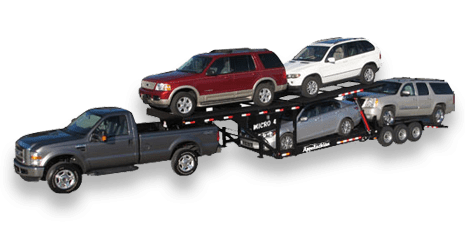
When it comes to the complexities of state-to-state car towing, SAKAEM Logistics offers a streamlined, tech-driven solution that eliminates the typical guesswork of long-distance shipping.
Since 2016, this Tucker, GA-based broker has leveraged AI-powered pricing and intelligent carrier matching to connect customers with interstate haulers faster than the industry average. Their platform provides instant, real-time quotes, ensuring that cross-country moves are coordinated with upfront pricing and zero hidden fees.
Backed by a 4.7-star Google rating and a dedicated team of coordinators available 24/7, SAKAEM is an ideal choice for those who need reliable, fast dispatch for cross-country or regional vehicle relocation.
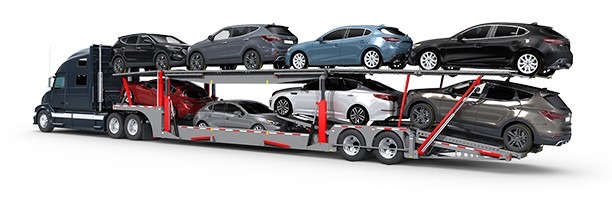
America Auto Express LLC is a relatively young company compared to the previous one. It was founded in 2018 in Spokane, WA.
This towing company is very well equipped and provides services within west coast states offering both open and enclosed hardside transportation and the total number of trucks is 27.
America Auto Express LLC specializes in corporate relocations, dealerships, and military moves, as well as seasonal snowbird services.
The customer support representatives always keep the customers updated throughout the whole state-to-state car towing and shipping processes and are available any day of the week from 7 am to 5 pm.
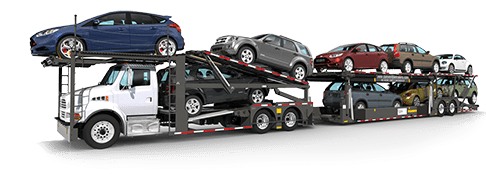
The company is located in Wilmington, DE, and received lots of positive reviews, they have almost 5 stars on Google reviews, Trustpilot, Transport Reviews, and BBB.
The company is very transparent about cost formation and its payment policy is probably the most convenient for the customers: nothing is charged upfront, the part of the rate is charged after the driver is assigned to the order. And then the remaining balance is paid at the drop-off location.
To make transportation or state-to-state car towing more efficient for customers Moverjet offers a lot of discounts. This option might have made this company so loved and highly trusted by its customers.
When shipping the vehicles with MoverJet, customers only get top-notch service and convenience.
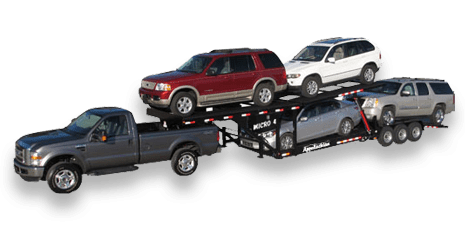
Accelerated Transport is probably one of the most popular full-service auto shipping companies on the East coast. Founded in 2016 in Raleigh, NC, the relatively young company has set customer-oriented service and transparent pricing as the main goals of the company. And so far, they are rather good at following the goals.
Accelerated Transport works with both open and enclosed carriers and before closing the deal with the drivers always make sure that they are fully insured.
The insurance coverage of this company is also quite high and it is up to $250 000 per car on the trailer.
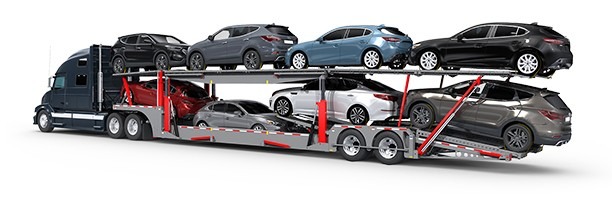
True Carrier is a rather young shipping company on our list. Though, it is chosen by thousands to move their vehicles. As well as MoveWheels, Moverjet, and most of the companies we work with, TrueCarrier does not require any prepayment at the time of booking.
TrueCarrier is located in Tampa, FL, and works with all types of carriers (open, enclosed) suiting every customer’s needs and budget. Also, the drivers the company works with can offer expedited delivery, state-to-state car towing, and door-to-door service when possible.
TrueCarrier customer support service is available 24/7 and according to their customers’ reviews, TrueCarrier’s customer support is one of the points they liked the most.
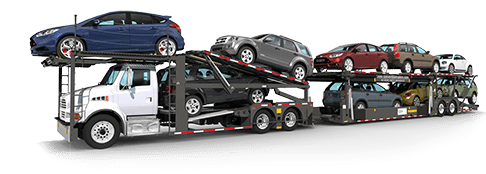
SGT Auto Transport continues to be a benchmark for state-to-state car towing in 2026, maintaining its position as a leader in secure vehicle relocation. This 5-star rated provider has built an extensive track record, having successfully moved over 200,000 vehicles to date. By leveraging a massive network of 25,000+ vetted carriers, SGT consistently delivers high-quality service, ensuring that thousands of customers every year enjoy a stress-free and reliable shipping experience.
SGT Auto Transport provides personalized attention throughout the entire shipping or state-to-state car towing process. This commitment to customer service is reflected in their outstanding reputation on uShip, where they stand out among a million service providers.
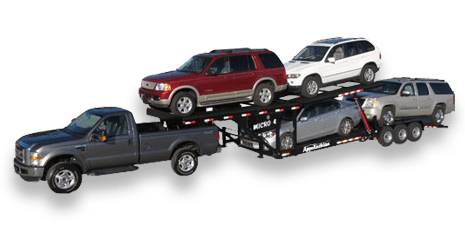
Since 2003, Nationwide United Auto Transport has served thousands of relocating individuals, private car collectors, and logistics industry professionals with reliable vehicle transport services in the U.S.
The company doesn’t just ship cars. In addition to shipping standard cars, trucks, and SUVs, Nationwide United Auto Transport offers specialty transport services for RVs, oversized and heavy vehicles, including food trucks, commercial vehicles, buses, tiny homes, and much more.
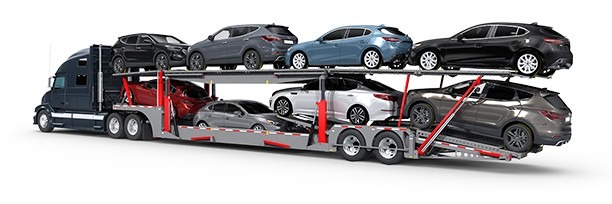
Florida Transportation & Towing LLC is also a perfect example of a company that values each customer. Even though the company was established only in 2019, it has grown from a small company hiring local drivers to a company with more than 100 employees.
Florida Transportation & Towing LLC operates only within Florida and specializes in shipping and towing operable and inoperable vehicles. Most of the company’s drivers work with dealerships, auctions, and corporate moves, but they are also doing private transportation with door-to-door shipping.
It is also one of a few companies willing to transport vehicles to the Key West area. Only a few carriers are going there, as it is quite difficult for the trailer to get there and the route is not very popular.
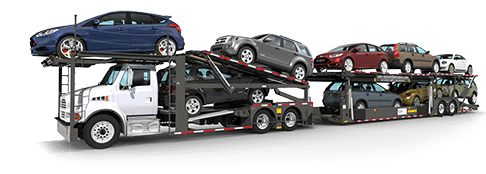
A broker differs from a direct carrier in one important way: brokers connect your shipment to a network of independent truck operators and take a margin for matching and coordinating the move, while direct carriers own and operate their own fleet throughout. Both models are fully legitimate – brokers typically offer faster dispatch on popular routes due to their wider network reach, while direct carriers can provide more consistent service standards on routes they cover regularly.
Always verify any company’s DOT/MC number on the FMCSA SAFER system before booking, regardless of their star rating or review count. A five-star average cannot compensate for lapsed cargo insurance – it simply means previous customers were fortunate.
The pattern across every method in this guide is the same: the cheapest headline price is rarely the cheapest total. A tow dolly looks like the budget option until fuel, hotels and lost workdays are added. A quote 30% below market usually means a price increase after the car is loaded.
Check the DOT number, compare at least three quotes, and read the Bill of Lading before signing at both ends. That covers almost everything that goes wrong in interstate car shipping.
Open carrier auto transport costs $250–$700 for routes under 500 miles and $900–$1,400 for cross-country hauls (standard sedan, 2026 rates). Traditional tow truck service runs $2.50–$7.00 per mile – making it 3–5× more expensive for distances over 300 miles. Inoperable vehicles add a $150–$500 surcharge. For most interstate moves, open carrier is the most cost-effective option.
For FWD vehicles under 300 miles, a tow dolly rental ($45–$80/day) is the cheapest base option – but real costs include fuel (+25–40%), tolls, hotel stays, and 2+ lost workdays. For routes over 500 miles, open carrier auto transport ($0.60–$1.10/mile) is typically cheaper when all costs are counted. Book 2 weeks ahead and choose a flexible pickup window for the lowest available rate.
Yes. Shipping a car to another state is a routine service used by millions of Americans each year. FMCSA-licensed carriers operate nationwide and offer door-to-door delivery for any operable vehicle. Luxury and classic cars typically use enclosed trailers. Non-running cars require a flatbed or winch-loading setup and cost $150–$500 more than standard shipping.
Open carrier transport takes 1–3 days for routes under 500 miles and 5–10 days for cross-country shipments. Enclosed carriers typically add 2–4 days due to fewer available trucks on any given route. Expedited dedicated transport completes any route in 2–5 days at a 30–50% price premium. Carriers provide a 1–3 day delivery window – guaranteed exact delivery dates are not standard in the industry.
Most carriers allow up to 100 lbs of personal items stored in the trunk only, but those items are not covered by the carrier’s cargo insurance under any circumstances. Belongings must remain below the window line and cannot be placed in the passenger compartment or on seats. Some carriers prohibit all personal items entirely due to DOT weight regulations. Always confirm the exact policy in writing before shipping – do not rely on verbal confirmation from a dispatcher.
For routes under 500 miles, driving is generally cheaper. For 800+ miles, the full cost comparison shifts: open carrier shipping ($700–$1,200) versus driving costs – fuel ($150–$250), hotel ($160–$260), food, and 2+ lost workdays – often lands at the same total or higher. Shipping is the better financial and practical choice for leased vehicles, luxury cars, moves over 1,000 miles, or any situation where you are flying to your destination.
No. Passenger and cargo aircraft do not transport personal vehicles between US states. Ground transport via open or enclosed carriers is the universal method for all 48 contiguous states. For Hawaii and Alaska, vehicles travel by ocean freight – either containerized or on Roll-on/Roll-off (RoRo) vessels. Shipping a car from California to Honolulu typically costs $1,200–$2,500 and takes 5–10 days depending on the vessel schedule.
Yes, but EVs require flatbed or enclosed transport – never a tow dolly or standard wheel-lift tow truck. Most EV drivetrains cannot be towed with wheels on the ground without causing permanent damage to the motor or battery management system. Inform the carrier of the make and model when booking; flatbed loading adds $100–$300 to the base rate. Enclosed transport is recommended for EVs valued over $50,000.
AAA covers towing only up to the mileage limit of your membership tier – Classic covers 5 miles, Plus covers 100 miles, and Premier covers 200 miles. Interstate towing beyond those limits is not covered. For any planned move over 200 miles, you need a licensed auto transport carrier. AAA is designed for roadside emergencies, not long-distance vehicle relocation.
FMCSA-licensed carriers carry cargo insurance of $100,000–$250,000 per load – but that coverage applies to the entire trailer, not each vehicle individually. On a standard 8-car open carrier, effective per-vehicle coverage averages $12,500–$30,000. For vehicles valued over $30,000, ask the carrier specifically about per-vehicle declared-value coverage or consider supplemental transport insurance before booking.
For distances over 300 miles, the best “towing service from state to state” is actually open carrier auto transport not a traditional tow truck. FMCSA-licensed carriers move your vehicle on a multi-car trailer for $4500–$1,500 depending on distance, compared to $2,500–$7,000+ for a dedicated flatbed tow truck on the same route. Look for a carrier with an active FMCSA authority status, verified cargo insurance, and reviews on Transport Reviews or the BBB.
No. Towing a car from state to state and auto transport are different services. Traditional towing physically drags your vehicle with wheels on the ground, adding odometer miles and mechanical wear — and costs $2.50–$7.00/mile. Auto transport loads your car fully off the ground onto a carrier trailer: zero miles added, full cargo insurance, and rates starting at $0.60/mile. For any planned interstate move over 300 miles, auto transport is the standard choice used by millions of Americans annually.
Last updated: October 2026








Don't have time to fill out the form?
Call a transport company directly to get a quote now!
Select the category you need
Partner with Compare The Carrier & Grow!
We're open to collaborations, partnerships, and mutual growth! Whether you're an individual or a business, we offer exciting opportunities to work together. Fill out the form below to explore how we can collaborate.
Something Went Wrong
We're sorry, but something went wrong. Please briefly describe the problem you experienced in the text area below. Providing your contact information will allow us to follow up if needed.

Thank you,
your form has been accepted.
Your form has been successfully submitted. We appreciate your effort — our team will review it shortly and take the next steps.


Thanks, it’s great and informative article. It makes my car towing easier for sure
Well-written post. Worth the share. I am pretty sure this would help readers especially those who are new to state to stae vehicle towing services and how it works. Thanks!!
Thanks for sharing great information.