

Texas Auto Transport 2026 – Costs, Companies & Routes
Shipping a car to or from Texas involves more than just h...
10 June 2022
Moving a vehicle between Colorado and Texas? This expert guide breaks down everything you need to know about car shipping from Colorado to Texas, including real costs, timelines, and how to find trusted transporters.
Calculate Shipping Quotes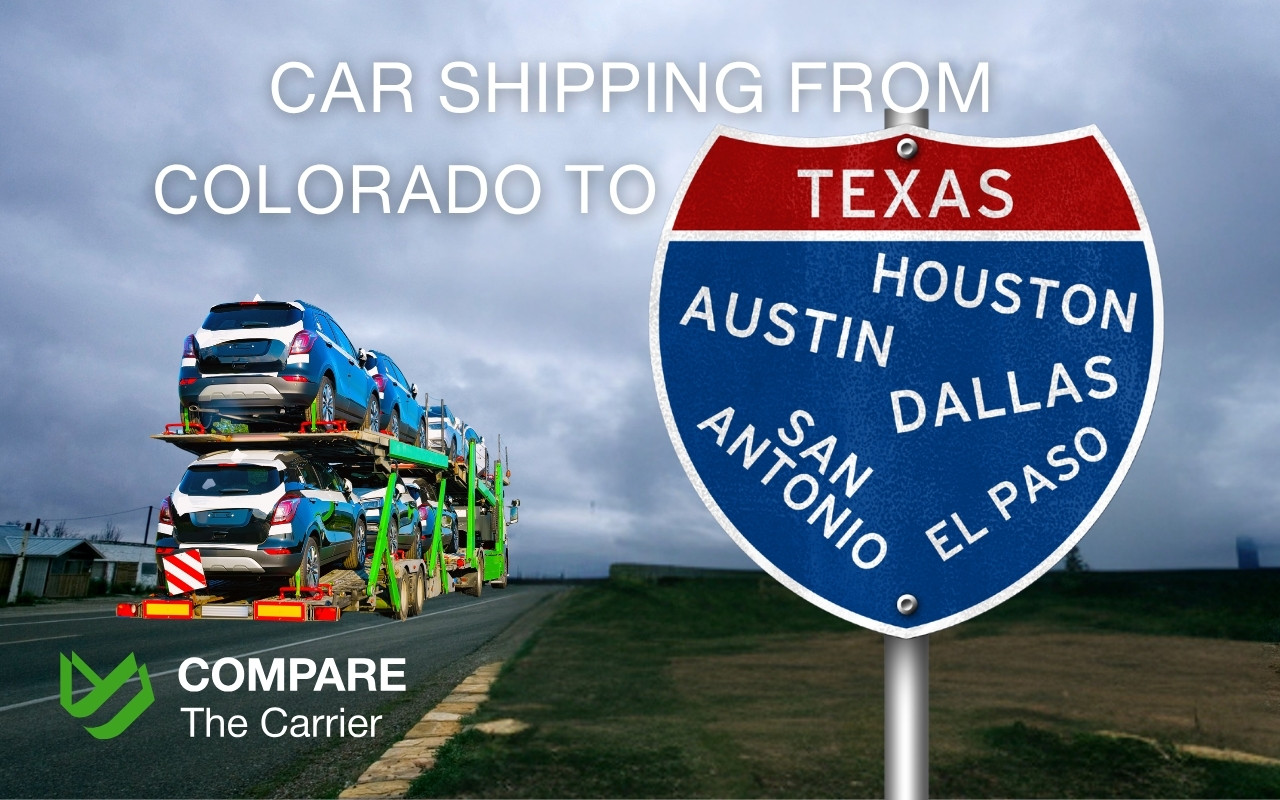
Key Takeaways
Each year, thousands of vehicles travel from the Rocky Mountains to the Lone Star State — Colorado to Texas remains one of the most active regional shipping routes in the U.S. From families relocating to booming cities like Austin and Dallas, to military personnel, students, and retirees seeking a warmer climate, the reasons to ship a car are as diverse as the routes themselves.
Add in unpredictable weather through the Great Plains, over 700+ miles of road time, and potential wear and tear on your vehicle, and it’s easy to see why more drivers are opting for professional auto transport instead of DIY road trips. Whether you’re shipping from Denver to Houston or Colorado Springs to San Antonio, modern tools like Compare The Carrier help you compare prices, review trusted carriers, and book fast, safe delivery from CO to TX — without the guesswork.
Shipping a vehicle from Colorado to Texas is easier than most people expect, especially when working with a trusted auto transporter. Whether you’re moving from Denver to Dallas, Boulder to Austin, or Colorado Springs to Houston, the process is streamlined and built around convenience, safety, and transparency.
Step 1: Request Quotes from Licensed Carriers
Start by using a vehicle shipping calculator or quote form on a platform like CompareTheCarrier.com. You’ll enter basic details:
You’ll receive multiple offers from top-rated auto shipping companies, helping you compare rates, delivery windows, and insurance options all in one place.
Step 2: Choose a Carrier or Broker
Once you review your options, select a reliable transporter or broker that matches your budget and timeline. Most bookings can be completed online in just a few minutes, with full transparency into cancellation policies and included services.
Check the difference between a broker and a carrier in this guide.
Step 3: Vehicle Pickup in Colorado
The carrier will confirm the pickup date and time, typically within 1–5 business days. On the day of pickup, the driver inspects the vehicle and documents its condition on the Bill of Lading, which you’ll sign.
Step 4: Transit from Colorado to Texas
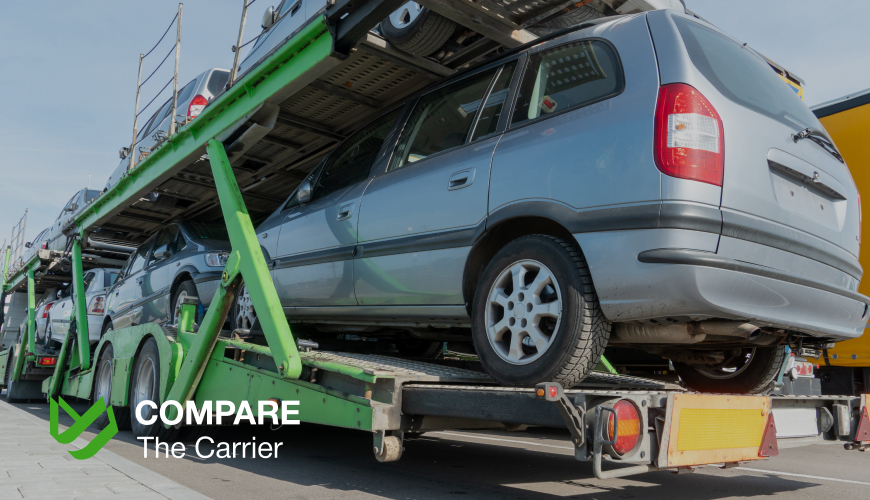
Your vehicle is loaded onto a transport truck — either open or enclosed — and begins the Colorado to Texas vehicle transport journey. Depending on the route and service type, transit typically takes 2 to 5 days. Some carriers offer GPS tracking or check-in updates during the trip.
Step 5: Delivery and Final Inspection in Texas
Once your car arrives, the driver will conduct a second inspection. You’ll compare the vehicle’s condition to the original Bill of Lading before signing for the delivery. If everything looks good, the job is complete.
What Is a Carrier?
Pros: No broker fees; direct communication with the driver; may offer discounts for repeat customers. Cons: Limited availability or route coverage; harder to compare prices; you must vet licenses and reliability yourself.
What Is a Broker?
Pros: Access to more carriers, especially for less common routes; easier to compare rates and reviews; brokers handle paperwork and scheduling; ideal for first-time shippers. Cons: Some charge a service fee; not all brokers are transparent.
So, What’s Better for Shipping from Colorado to Texas?
If you’re comfortable handling logistics and have a specific carrier in mind, booking direct can work. But for most people — especially those seeking speed, pricing flexibility, and peace of mind — a broker or quote comparison platform offers more value.
The average range for auto transport from Colorado to Texas is $600 to $1,000 for standard open transport. Larger vehicles, enclosed shipping, or expedited delivery typically run $1,100 to $1,500+.
| Route | Vehicle Type | Open Transport | Enclosed Transport |
| Denver, CO to Houston | Sedan | $700 | $1,200 |
| Boulder to San Antonio | SUV | $850 | $1,350 |
| Colorado Springs to Austin | Pickup Truck | $950 | $1,500 |
Pricing reflects current market rates from FMCSA-licensed carriers on CompareTheCarrier.com.
Rates vary a lot depending on the season you ship your vehicle to Texas. Request a car shipping quote to get the most accurate data.
What’s Typically Included in the Cost? Full cargo insurance, door-to-door delivery, fuel/tolls/mileage fees, and driver labor and inspection documentation. Some carriers offer GPS tracking, expedited delivery, extended insurance, or flexible pickup windows as optional upgrades.
W1. Distance and Route Specifics — More direct routes with high carrier traffic tend to be more affordable than rural or less-traveled destinations.
2. Transport Type: Open vs Enclosed — Open transport is the most common and affordable. Enclosed transport provides extra protection but typically costs 30–60% more.
3. Vehicle Size and Weight — Larger vehicles take up more space and add weight, increasing fuel usage and costs.
4. Pickup and Delivery Conditions — Hard-to-access areas may require a nearby meeting point, potentially affecting pricing.
5. Time of Year — Demand peaks in summer (relocations, students) and winter (snowbirds), raising rates.
6. Urgency and Scheduling — Expedited shipping costs significantly more; flexible pickup windows lead to lower prices.
7. Carrier Insurance and Service Level — Premium carriers with enhanced insurance or white-glove handling may charge more.
Proper vehicle preparation is key to a smooth and secure car shipping experience from Colorado to Texas. Whether you’re using open or enclosed transport, following this checklist will help avoid delays, disputes, or extra fees during your auto transport Colorado to Texas journey.

A clean car makes it easier to inspect for existing damage during pickup. Dirt and dust can hide scratches, so a fresh wash is essential before the carrier arrives.
Use your phone to take high-resolution, time-stamped photos of your car from all angles — exterior, interior, wheels, and undercarriage. These images serve as proof of the vehicle’s condition prior to shipping.
Most carriers are not insured to transport personal belongings. Empty the trunk, glove box, and seats to avoid weight penalties and protect your valuables.
PRO TIP: Damage caused by your personal belongings isn’t covered by insurance. If you’re going to ship some things inside the car, make sure they won’t damage the vehicle interior.
Keep about a quarter tank of gas in the vehicle. This is enough for loading/unloading but light enough to reduce total transport weight.
Make sure there are no active fluid leaks and that the brakes, tires, and battery are in working order. If your car is not operable, inform the carrier in advance — it will require special equipment and extra fees.
Turn off your alarm system or provide the driver with clear instructions for disarming it to prevent issues during transport.
Remove detachable items like bike racks, roof boxes, spoilers, and EZ-Pass or toll tags to prevent damage or unnecessary charges.
Proper prep ensures your Texas car delivery from Colorado is smooth, efficient, and protected from claims or delays.
When arranging car shipping from Colorado to Texas, one of the most important choices you’ll make is between open and enclosed auto transport. Each method offers specific benefits, and the right choice depends on your vehicle type, budget, and personal comfort with risk exposure.
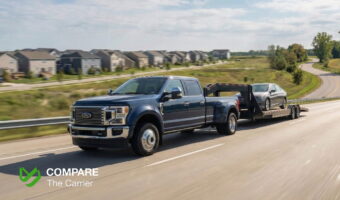
This is the most common and cost-effective option for auto transport from Colorado to Texas. Your car is transported on an open-air carrier — similar to what car dealerships use to move new vehicles.
Best For: Budget-conscious customers, personal cars, leased vehicles, and shorter timelines.
In enclosed transport, your vehicle is shipped in a covered trailer — shielded from weather, road grime, and external damage. This method is preferred for luxury, exotic, collector, or custom vehicles.
Best For: High-value vehicles, rare models, show cars, or new car deliveries where condition is a priority.
Quick Comparison
| Feature | Open Transport | Enclosed Transport |
| Cost | Lower | Higher (30–60% more) |
| Protection Level | Basic | Maximum |
| Availability | High | Limited |
| Best For | Standard vehicles | Luxury/collector cars |
Pro Tip: Still unsure? Use Compare The Carrier’s free quote tool to compare open vs enclosed shipping costs from the best enclosed auto transporters side by side.
Shipping out of Colorado to Texas or beyond? Here are the top routes our carriers run most often:
Shipping the reverse direction? Check Texas to Colorado for pricing and timelines heading north.
Beyond the CO-to-TX corridor, Compare The Carrier connects you with vetted carriers to and from every state in the country:
Alabama · Arizona · Arkansas · California · Connecticut · Delaware · Florida · Georgia · Idaho · Illinois · Indiana · Iowa · Kansas · Kentucky · Louisiana · Maine · Michigan · Minnesota · Mississippi · Missouri · Montana · Nebraska · Nevada · New Jersey · New Mexico · New York · North Carolina · North Dakota · Ohio · Oklahoma · Oregon · Pennsylvania · South Carolina · South Dakota · Utah · Virginia · Washington · West Virginia · Wisconsin · Wyoming
Explore the full Colorado auto transport and Texas auto transport hubs for more.
The final stage of your Colorado to Texas vehicle transport is delivery — an important moment that confirms a successful, damage-free handoff. Whether your car is headed to Dallas, Houston, Austin, or a smaller Texas town, knowing what to expect on delivery day will help you avoid delays or misunderstandings.
Your driver will typically call or text a few hours before arriving at your drop-off location. If you’ve chosen door-to-door delivery, make sure your destination is accessible to a large transport truck. If not, the driver may arrange to meet you at a nearby parking lot or wide roadway.
Upon arrival, the driver will inspect your vehicle alongside you, comparing its condition to the original Bill of Lading (BOL) created at pickup in Colorado.
If your carrier uses Cash on Delivery (COD), be ready to provide the agreed payment typically cash, certified check, or a broker-approved digital method. Once payment is made and the BOL is signed, the vehicle is officially released.
You’ll receive a final signed copy of the BOL. This document may be important if any insurance claims are needed. However, if your vehicle arrives in the same condition as shipped and it usually does you’re all set to hit the road in Texas.
FMCSA-Licensed, Vetted Transporters — Compare The Carrier partners only with FMCSA-licensed, insured, and verified carriers, each reviewed for safety, reliability, and service record.
Side-by-Side Price Comparisons — Compare Colorado to Texas car shipping costs from multiple providers, ranked by price, delivery window, insurance coverage, and real customer reviews.
No Personal Info Required to View Rates — Get free quotes with no phone number or email required.
Trusted Reviews and Top-Rated Carriers — Filter by customer satisfaction, on-time delivery rates, or strong reviews.
Built for Busy Shippers — Whether you’re a student, snowbird, or dealer moving inventory, the platform is designed for fast and safe delivery.
From pickup in Colorado to final drop-off in Texas, car shipping doesn’t have to be complicated — if you know what to expect and choose the right partner. Whether you’re moving for school, work, retirement, or resale, a professionally managed shipment saves time, protects your vehicle, and eliminates the stress of a long road trip.
Get an instant, no-obligation estimate with our auto transport calculator, or explore our car shipping services to see how Compare The Carrier connects you with vetted, licensed carriers.
To wrap up, here are the most frequently asked questions about auto transport from Colorado to Texas. These detailed answers will help you ship smarter, avoid surprises, and get the peace of mind you need for a successful CO to TX vehicle transport.
On average, Colorado to Texas car shipping cost ranges from $600 to $1,000 for open transport. Enclosed transport and expedited delivery can raise the price to $1,100–$1,500+, depending on vehicle size, route, and timing.
Most deliveries from Colorado to Texas take 2 to 5 days, depending on the pickup/delivery cities, transport type, and the carrier’s schedule. Enclosed shipping may take slightly longer due to limited availability.
Yes, enclosed shipping is available and ideal for luxury, antique, or high-value vehicles. It provides protection from weather and road debris, though it costs 30–60% more than open transport.
Yes. Most auto transport Colorado to Texas carriers offer door-to-door service, provided the pickup and drop-off locations are accessible for large transport trucks.
Typically, you’ll need a valid photo ID and the vehicle’s registration. Titles are usually not required for standard shipments. Check with your carrier or broker for specifics.
Yes. All FMCSA-licensed carriers are required to carry cargo insurance. You’ll receive coverage details before booking. It’s also smart to review your own auto policy.
It’s best if you or a designated person is present. However, some carriers allow alternative contacts with written permission. You’ll need to sign the Bill of Lading at both ends.
Most trusted auto transporters discourage this due to insurance and weight restrictions. A few may allow up to 100 lbs of items in the trunk ask before booking.
The cheapest option is open transport with flexible scheduling. Avoid peak seasons and book in advance to secure lower rates. Compare quotes to avoid overpaying.
It’s recommended to book at least 7–10 days in advance for best pricing and scheduling. Enclosed or expedited transport may require more lead time.
Inoperable vehicles can still be shipped, but you must inform the carrier ahead of time. Special loading equipment will be needed, and fees typically apply.
Many top-rated auto shipping companies offer GPS tracking or driver updates via text or email. Ask your carrier or broker if real-time tracking is available.
Many carriers offer Cash on Delivery (COD), while others allow full or partial prepayment. Terms vary— always clarify before booking through CompareTheCarrier.
Possibly. While most Texas car delivery from Colorado is timely, snow in Colorado or storms in Texas can affect timing. Reliable carriers will keep you updated.
Compare The Carrier lets you compare prices and carriers instantly, without entering personal data. You’ll access licensed, rated transporters and avoid scams or hidden fees.









Don't have time to fill out the form?
Call a transport company directly to get a quote now!
Select the category you need
Partner with Compare The Carrier & Grow!
We're open to collaborations, partnerships, and mutual growth! Whether you're an individual or a business, we offer exciting opportunities to work together. Fill out the form below to explore how we can collaborate.
Something Went Wrong
We're sorry, but something went wrong. Please briefly describe the problem you experienced in the text area below. Providing your contact information will allow us to follow up if needed.

Thank you,
your form has been accepted.
Your form has been successfully submitted. We appreciate your effort — our team will review it shortly and take the next steps.


