

How To Ship a Car from Copart?
Winning a bid on Copart is only half the battle. The mome...
2 December 2022
Copart and IAAI are the two largest salvage and insurance vehicle auction platforms in the United States. Together, they process over 5 million vehicles a year and serve as the first stop for dealers, exporters, rebuilders, and a growing number of private buyers hunting for below-market prices.
Calculate Shipping Quotes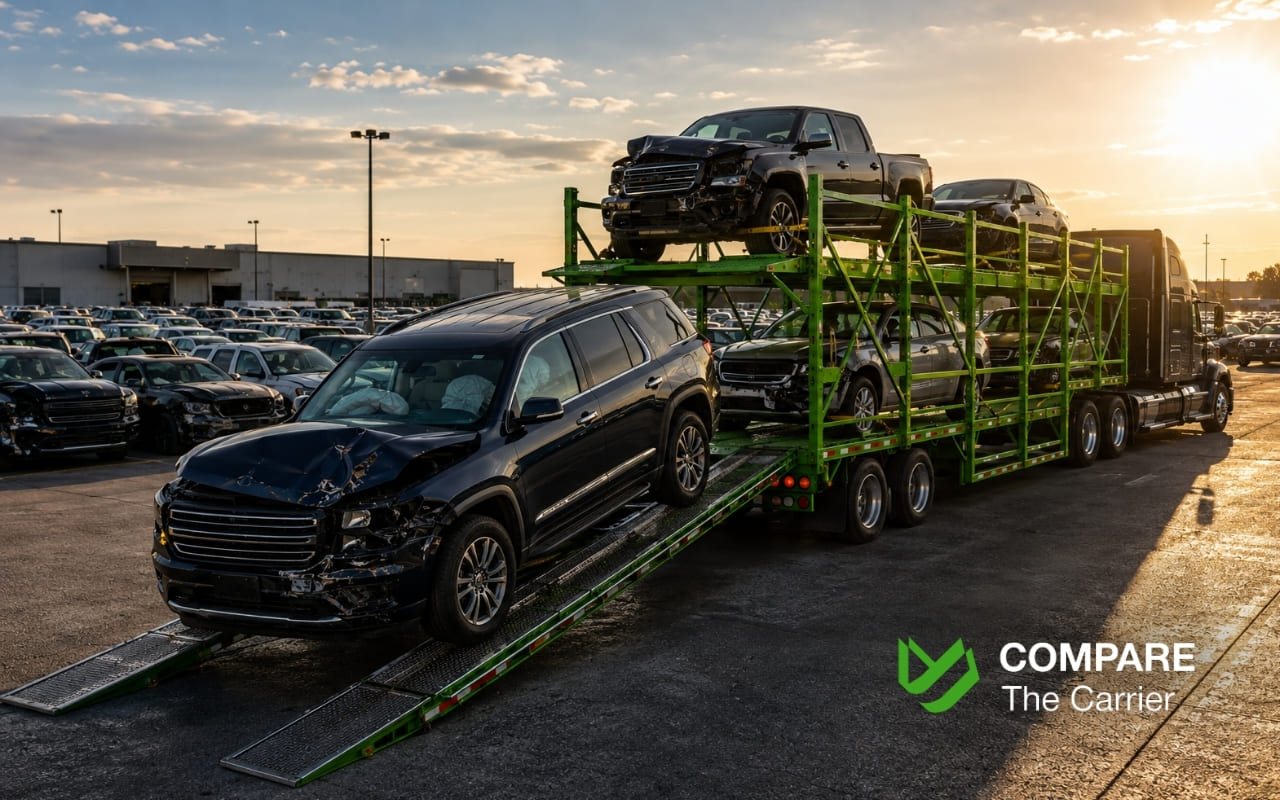
On the surface, the platforms look similar: online bidding, insurance total losses, dealer license or broker required. But the differences between them are real – and depending on what you’re buying and why, choosing the wrong platform can cost you money, time, and serious frustration.
This guide covers everything: inventory, fees, photo quality, bidding mechanics, membership requirements, geographic coverage, and post-auction logistics – including vehicle shipping, the step most buyers think about too late.
Copart: The Volume Leader
With roughly 3 million vehicles processed annually, Copart simply has more. More makes, more models, more condition levels, more price points. Their inventory spans:
Copart’s “Buy It Now” feature – available on select listings – lets buyers skip the auction entirely and purchase immediately at a fixed price. This is useful when you’ve found exactly what you need and don’t want to compete in a live auction.
For exporters, Copart is often the preferred platform because of sheer selection. When you’re sourcing vehicles for overseas markets – Eastern Europe, West Africa, the Middle East – volume matters, and Copart delivers. If you’re new to the process, our best car auction tips guide covers how to approach both platforms strategically.
IAAI: Curated but Competitive
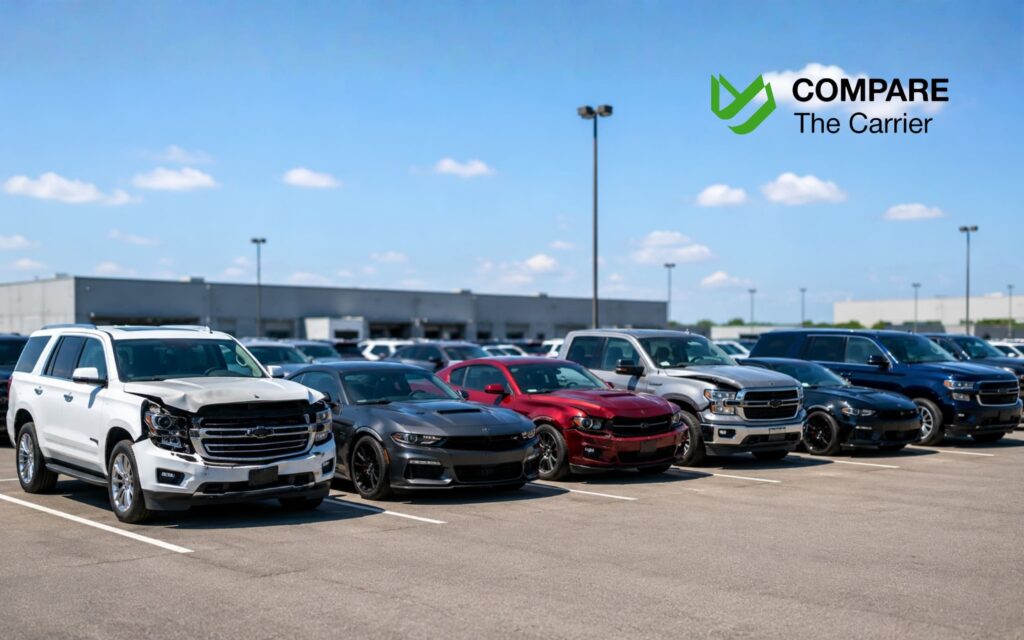
IAA’s approximately 2 million annual vehicles are not a small number – it’s just smaller than Copart. The gap is most visible in certain categories:
However, IAAI’s inventory is not just “less of the same.” Their seller relationships – primarily with major insurance carriers – mean their listings often come with better documentation than third-party consignors provide on Copart.
Verdict: Copart wins on raw volume. If you need maximum selection, Copart is the right starting point.
This is where most first-time buyers get surprised. The hammer price at auction is just the beginning. Both platforms charge a cascading set of buyer fees that can add 20–35% (or more) on top of the winning bid.
Copart Fee Structure
Copart’s fees vary based on your membership tier (Basic or Premier) and the final bid amount. Typical fee categories include:
As an example, on a $3,000 vehicle, Copart’s combined fees might add $600–$900 depending on your membership level.
IAAI Fee Structure
IAAI’s fee structure is similar in type but generally regarded as slightly lower in total cost, particularly at lower bid amounts. IAAI’s fee tiers are also based on sale price, and their buyer fees on smaller vehicles tend to be more competitive.
Key fee categories at IAAI include:
IAAI is often regarded as slightly more affordable on buyer fees, which can make a noticeable difference for budget-conscious buyers. Copart, by contrast, has a more layered fee structure that can add up quickly.

Pro Tips on Fees
Verdict: IAAI has a slight fee advantage, especially for buyers purchasing lower-priced vehicles.
This is one of the most practically important differences between the two platforms – and it’s consistently cited by experienced buyers as a deciding factor.
Copart Photos: Functional but Variable
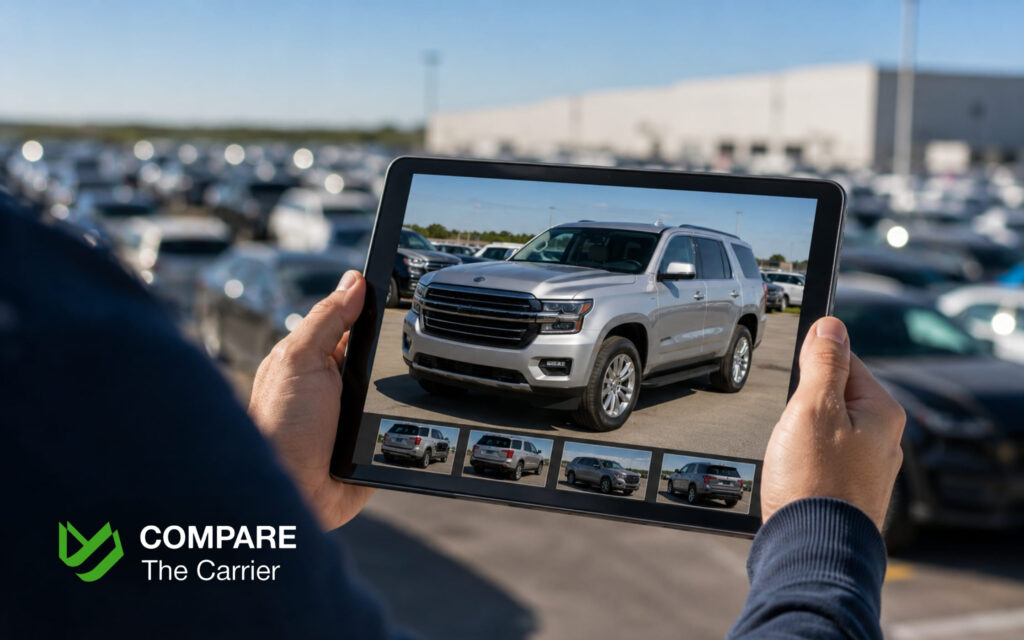
Copart listings include photos, but quality varies significantly depending on who consigned the vehicle and how it was processed at the yard. Some listings are well-documented with 10+ angles, interior shots, and engine bay photos. Others are minimal.
Copart does not systematically require engine running clips or condition reports beyond what’s in the title and damage description. You’ll see a lot of notes indicating primary and secondary damage, but the level of detail depends on the seller.
IAAI Photos: Higher Standard
IAAI has invested heavily in documentation quality. Their standard listings often include:
For a buyer evaluating a vehicle entirely online – which is the norm in today’s market – the ability to hear an engine running is enormously valuable. It’s the difference between an educated bid and a blind gamble. This is especially relevant given how critical why pre-purchase inspections matter for used car buyers – the same logic applies to auction vehicles.
Verdict: IAAI wins on transparency and documentation quality. If you cannot inspect in person, IAAI’s engine clips and photo standards reduce your risk significantly.
Copart Bidding
Copart uses a live auction model with pre-bidding and proxy bidding available. Key mechanics:
Copart’s platform is mature and generally reliable. Their mobile app allows bidding on the go. One critique: their interface can feel dated compared to newer platforms, and the sheer volume of lots means the live auction environment can be chaotic for new buyers.
IAAI Bidding
IAAI also offers pre-bidding and live online auctions. Key differences:
Both platforms allow you to search by make, model, year, damage type, location, odometer range, and title status. IAAI’s search filters are slightly more granular.
Verdict: IAAI’s timed auction format is less stressful for beginners. Copart’s live auction environment can generate lower prices for savvy bidders who know when to hold back.

This is the question most guides avoid, but it’s essential: you cannot simply create an account and start bidding on either platform in most U.S. states without a dealer’s license or broker intermediary.
Copart Membership Tiers
Basic Membership – Free to register. Access to view listings. Cannot bid directly without proof of dealer license or signing up through a broker.
Premier Membership – Paid annual fee (~$400). Provides lower buyer fees per transaction. Still requires a dealer license or licensed state membership to bid directly in most states.
Public Access States – A small number of states allow public (non-dealer) direct bidding on Copart. Requirements vary by state.
Licensed Dealers – Can register and bid directly across all states with reduced fees at the Premier level.
IAAI Membership
IAAI’s structure is similar:
Using a Broker
If you don’t have a dealer’s license, the broker route is common. Brokers handle the bidding, title processing, and often storage management on your behalf. Copart has a larger and more established broker network. IAAI’s broker options exist but are less systematically organized.
When evaluating brokers, always verify their credentials. The FMCSA broker lookup tool lets you check any registered freight or vehicle broker’s operating authority and safety record – a worthwhile two-minute check before handing over money.
Verdict: Copart wins on broker network size. If you’re buying without a license, Copart’s broker ecosystem gives you more options.
Copart
With 200+ U.S. locations, Copart has excellent nationwide coverage. There are very few states where you’ll struggle to find a Copart yard within a few hundred miles. For local pickup, this matters – every mile between you and the lot adds to your real cost.
Copart also has international locations, making it the preferred platform for global exporters.
IAAI
IAAI’s 170+ U.S. locations provide strong coverage as well, though not quite as dense as Copart in certain regions (particularly rural areas and the Pacific Northwest). For most major metro areas, IAAI has a nearby yard.
Verdict: Copart has a geographic edge, particularly for rural buyers and international exporters.
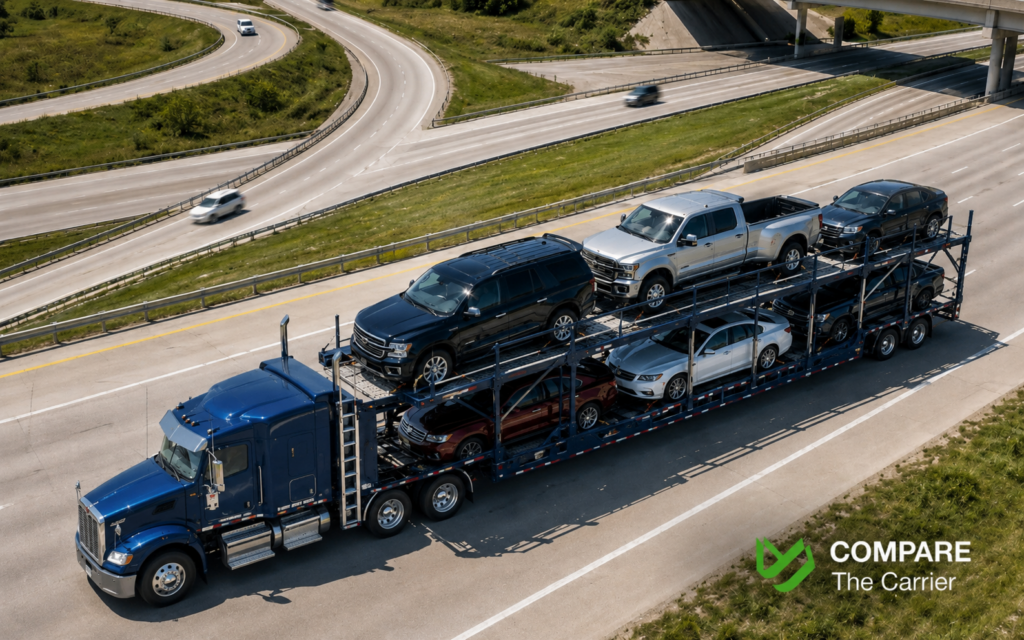
Winning the bid is just the first step. What happens next – title transfer, pickup, and transportation – is where many buyers run into unexpected friction.
Title Processing
Both platforms handle title work, but timelines vary:
Salvage titles, rebuilt titles, and non-repairable certificates vary by state. Always verify what title type is being offered before bidding – a “non-repairable” or “parts only” designation can prevent you from ever legally driving or re-registering the vehicle. The NMVTIS (National Motor Vehicle Title Information System) maintained by the U.S. Department of Justice, is the authoritative federal database for title status checks across all states.
Pickup Logistics
Both platforms give you a free storage window (typically 3–5 business days after payment). After that, storage fees begin accumulating. On a vehicle that’s far from you, this creates real pressure to coordinate transportation quickly.
This is where having a reliable auto transport partner matters enormously. Our guide on documenting your vehicle’s condition before shipping walks through exactly what to record at pickup to protect yourself if any dispute arises.
Here’s the reality of buying from Copart or IAAI: most vehicles are not within driving distance. You win a bid on a flood-damaged SUV in Houston while you’re in Ohio. Or you’re an exporter based in Chicago sourcing vehicles from a Copart lot in Phoenix. The vehicle has to move.
And it has to move fast – because storage fees at both platforms start adding up after that 3–5 day window.
Open vs. Enclosed Transport
For most salvage auction purchases, open auto transport is the standard choice. It’s significantly cheaper and perfectly adequate for vehicles that are already damaged. A salvage car on an open carrier isn’t going to get “more damaged” by road debris or weather in any meaningful way.
Enclosed auto transport is worth considering for:
For full details on shipping a car you bought from Copart specifically – including how to schedule pickup, what documentation carriers need, and how to handle non-runners – see our complete guide: How to Ship a Car from Copart.
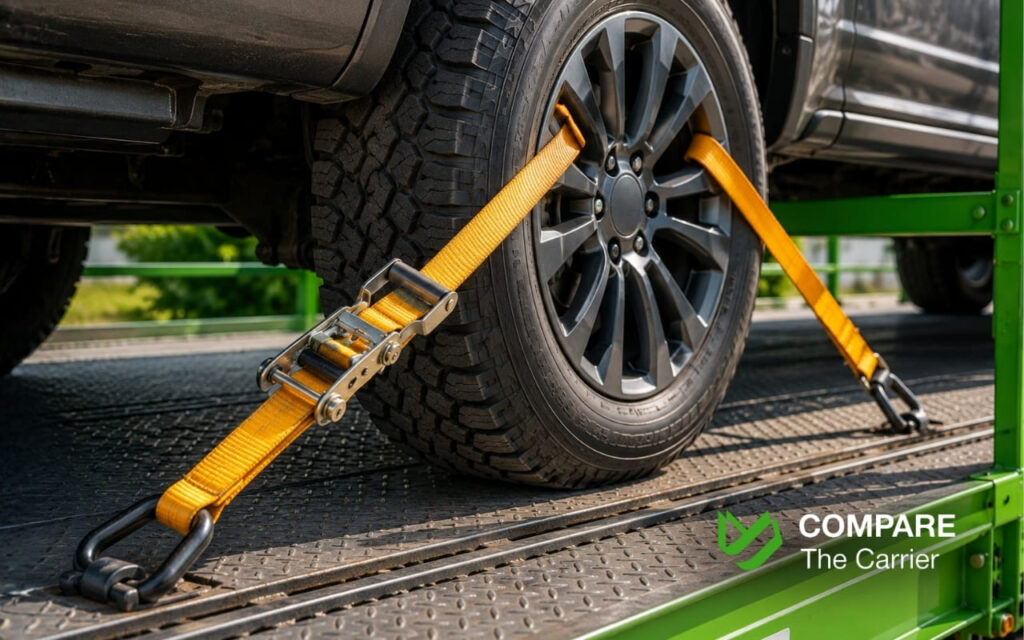
Inoperable Vehicles
Many auction wins – especially salvage and flood units – are non-running. This is a critical logistical detail:
Our guide on salvage car shipping covers the specifics of moving damaged, inoperable, and flood-affected vehicles safely.
Timing Is Critical
Your auction win has a storage clock ticking. Best practice:
Use the Compare the Carrier auto transport calculator to get an instant estimate before you place your bid. Knowing the shipping cost ahead of time is part of calculating your true maximum bid.
Auction buyers are vocal online, and the feedback on Copart vs IAAI in communities like r/Insurance, r/carflipping, and r/autobody is illuminating. Here’s a synthesis of what experienced buyers consistently report.
The Good:
The Complaints:
The Good:
The Complaints:
The Common Thread
Experienced buyers on both platforms agree on a few things: fees add up faster than you expect, photos are never the full story, and transportation logistics need to be sorted before you win the bid, not after. The number one post-purchase mistake cited across forums is winning a vehicle without a transportation plan in place.
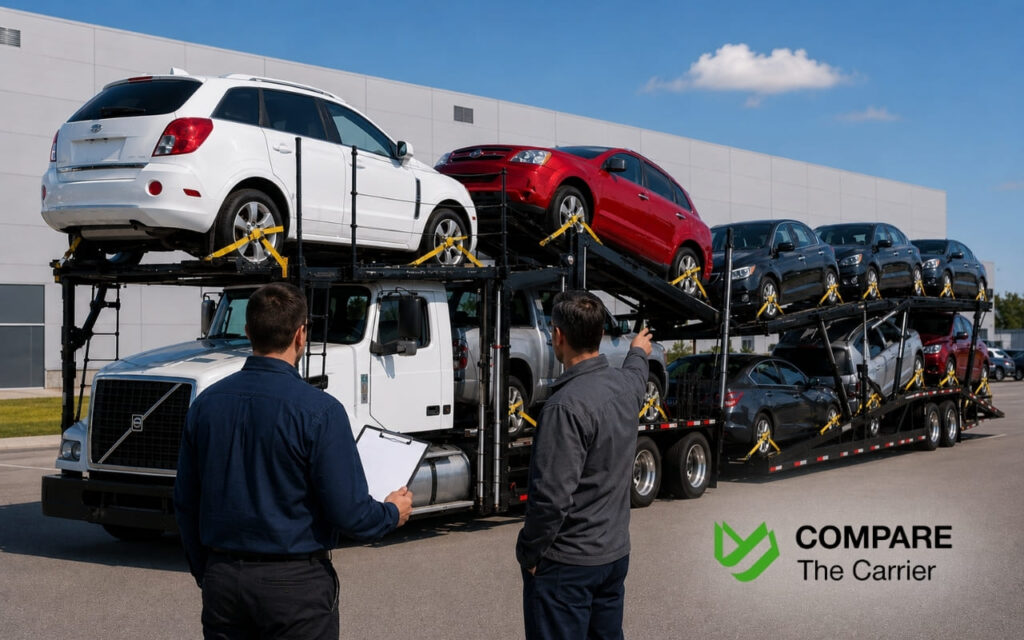
Timing your purchases can make a meaningful difference in both availability and price. The impact of seasonality on auto transport costs extends to auction pricing as well – the same demand cycles that affect shipping rates affect how aggressively buyers compete on lots.
Post-Storm Inventory Surges
After major weather events – hurricanes, large-scale flooding, hailstorm seasons – both platforms see inventory surges of flood and hail vehicles. These surges typically hit 4–8 weeks after the event, as insurance claims are processed and totaled vehicles are sent to auction.
These periods can offer value – but they also attract more competition, and flood vehicles require careful evaluation for electrical damage and frame corrosion that photos often don’t capture. If you’ve purchased a flood-affected vehicle, our guide on what to do when your car gets flooded is a useful reference for assessing damage scope.
Seasonal Pricing Patterns
Export Demand Cycles
If you’re buying for export to West Africa, Eastern Europe, or the Middle East, shipping season constraints matter. Port congestion and shipping rates fluctuate seasonally. Many experienced exporters time their Copart purchases to align with favorable container shipping rates and port availability at their destination. Our overseas auto transport guide covers the full container shipping process for exported vehicles.
The Rebuilder
If you’re buying salvage vehicles to repair and re-title for resale or personal use, both platforms serve you well. IAAI’s engine clips are especially valuable here – you want to know the vehicle runs before you buy. Copart’s larger inventory means more options, but IAAI’s documentation quality reduces the information risk.
Key considerations:
The Parts Dealer
For parts sourcing, Copart’s sheer volume is decisive. You need a specific headlight assembly from a 2019 Hyundai Tucson – Copart will have more options, in more condition states, at more price points. IAAI works too, but the selection is thinner.
Consider: buying a non-running, high-mileage, or mechanically compromised vehicle purely for its body parts, interior, or trim is a legitimate strategy. Just confirm the parts you need are intact before bidding.
The Flipper
Buying, rebuilding, and reselling salvage or repo vehicles is a legitimate business – but margins are tighter than they appear, and the auction platforms have become more competitive as the model has gained mainstream visibility.
For flippers:
The Exporter
Copart dominates for export. Full stop. The platform’s international presence, broker network for foreign buyers, global logistics partnerships, and sheer inventory make it the first choice for buyers sourcing vehicles for overseas markets.
For exporters, transportation logistics are more complex – vehicles need to move from the yard to a port, then be loaded into containers. Our port container transport guide walks through the domestic leg of the process, from the auction yard to the port of departure.
No single platform wins across every category – the right choice depends on what you’re buying and how you’re buying it. The table below summarizes the key differences at a glance. Pay closest attention to the rows that matter most for your situation: fee level if you’re buying frequently, photo quality and engine clips if you’re evaluating remotely, and international presence if you’re sourcing for export.
| Category | Copart | IAAI |
| Annual inventory | ~3 million vehicles | ~2 million vehicles |
| U.S. locations | 200+ | 170+ |
| Fee level | Moderate–High | Moderate (slightly lower) |
| Photo quality | Good (varies) | High (consistent) |
| Engine video clips | Rarely | Often included |
| Seller transparency | Moderate | High |
| Clean-title inventory | Yes (more common) | Less common |
| Broker network | Large, established | Smaller |
| International presence | Yes (UK, Germany, UAE, Brazil) | Limited |
| Platform usability | Functional, feature-rich | User-friendly (post-2023) |
| Timed vs. live auction | Primarily live | Both timed and live |
| Buy It Now option | Yes | Yes (Make an Offer) |
| Non-running vehicle handling | Standard | Standard |
The rows where IAAI consistently leads – transparency, photo quality, and fees – matter most to remote buyers. The rows where Copart leads – inventory, broker network, and geographic coverage – matter most to high-volume and export buyers.
1. Not calculating total cost before bidding. The hammer price plus buyer fees plus storage plus shipping can easily double the price you pay on paper. Run the full math before you set your maximum bid. Our auction car shipping guide includes a cost breakdown worksheet specifically for auction buyers.
2. Bidding without a shipping plan. If you win a vehicle 800 miles away and haven’t arranged transport, you’re now racing against a storage fee clock. Get a quote before you bid.
3. Ignoring title type. “Salvage,” “rebuilt,” “non-repairable,” and “parts only” are fundamentally different designations. Non-repairable/parts-only vehicles cannot be re-titled in most states – they can only be used for parts or crushed. Read the title type before bidding.
4. Skipping the VIN check. Always run a history report before bidding on any vehicle. The NMVTIS Consumer Access portal (U.S. Department of Justice) provides federally standardized title history. It takes two minutes and can reveal odometer rollbacks, undisclosed damage events, or active liens not surfaced in the auction listing.
5. Underestimating transport for non-runners. A non-running vehicle requires winch-equipped transport. If you book a standard carrier and the vehicle doesn’t roll, the driver will refuse pickup – and you may lose your deposit.
6. Missing the pickup window. Both Copart and IAAI charge escalating storage fees after the free window. On a vehicle stored for two weeks, storage fees alone can add $200–$500.
7. Not verifying your carrier. Before handing over a vehicle to any transporter, confirm they hold valid operating authority. The FMCSA Carrier Search is the official federal tool for checking a carrier’s license, insurance, and safety rating – free and publicly accessible.
After everything laid out in this guide, here’s the bottom line:
Choose Copart if: You want maximum inventory, you’re buying for export, you need a vehicle in a region where Copart’s denser lot network helps, or you’re an experienced buyer comfortable evaluating vehicles without engine clips.
Choose IAAI if: You’re evaluating remotely and need engine video evidence, you want slightly lower fees, you prefer the transparency of knowing your seller is an insurance carrier, or you’re a beginner who finds IAAI’s timed auction format less overwhelming.
In reality, serious buyers use both – running searches on both platforms before each purchase, going where the right vehicle is available at the right price.
What happens after you win the bid is just as important as where you bid. The vehicle still has to get to you – often from hundreds or thousands of miles away, sometimes in non-running condition, always on a storage fee deadline.
Don’t leave that step to chance.
Use the auto transport cost calculator to get an instant, transparent shipping estimate before you place your next bid – so you know your true maximum before the hammer falls. Or browse our full vehicle shipping services to find the right transport option for your specific vehicle: open, enclosed, inoperable, motorcycle, RV, and more.
Know your total cost before the hammer falls. Ship smart after it does.
IAAI generally charges slightly lower buyer fees, making it the more affordable option – particularly on lower-priced vehicles. Copart’s fee structure is more layered and can result in higher total costs for the same hammer price. However, both platforms’ final cost depends on your membership tier, bid amount, and pickup speed. Always calculate the full cost – including transport – before setting your maximum bid.
In most U.S. states, you cannot bid directly without a dealer’s license. Non-dealers typically use a licensed broker ($150–$400 per transaction) who bids and processes the title on their behalf. A small number of states allow direct public bidding on Copart. IAAI also offers limited guest buyer access in some states. Verify your state’s specific rules before registering.
Copart is generally preferred by international buyers and exporters. Its larger inventory, global yard network (UK, Germany, UAE, Brazil, etc.), and larger broker ecosystem for foreign buyers make it the dominant platform for export sourcing. IAAI has some export capability but lacks Copart’s international infrastructure.
Not on every single listing, but IAAI includes a 10-second audio/video engine running clips far more consistently than Copart. This is one of the most cited advantages of IAAI for buyers who cannot inspect vehicles in person. The clips are provided by the seller (typically an insurance carrier) and are available directly in the listing before bidding closes.
Both Copart and IAAI typically provide a 3–5 business-day free storage window after payment is confirmed. After that, daily storage fees begin. Fees vary by yard location and vehicle size. Always confirm the specific yard’s policy when you win a bid – and have your transport arranged before the free window closes.
Non-running vehicles on both platforms require winch-equipped transport – standard auto carriers need the vehicle to roll, steer, and brake. Always disclose a non-runner status when booking transport. Most professional carriers can accommodate non-runners with advance notice. Misrepresenting the vehicle’s condition can result in a refused pickup and forfeited deposit.
A salvage title is issued when an insurer declares a vehicle a total loss. The vehicle cannot be legally driven until it is repaired and inspected. A rebuilt title (also called a reconstructed title) is issued after a salvage vehicle has been repaired and passed a state inspection. Rebuilt-title vehicles can be driven and registered, but typically carry a significant resale value discount. Title rules vary by state – the AAMVA title branding reference guide documents definitions across all U.S. jurisdictions.







Don't have time to fill out the form?
Call a transport company directly to get a quote now!
Select the category you need
Partner with Compare The Carrier & Grow!
We're open to collaborations, partnerships, and mutual growth! Whether you're an individual or a business, we offer exciting opportunities to work together. Fill out the form below to explore how we can collaborate.
Something Went Wrong
We're sorry, but something went wrong. Please briefly describe the problem you experienced in the text area below. Providing your contact information will allow us to follow up if needed.

Thank you,
your form has been accepted.
Your form has been successfully submitted. We appreciate your effort — our team will review it shortly and take the next steps.


