

California Auto Transport – Routes, Costs & Moving Guide [2026]
California, which is also called the Golden State thanks ...
15 February 2022
Whether you’re relocating, sending a vehicle to college, or transporting a collector’s car, car shipping from Connecticut to California is a safer, smarter alternative to a 2,900-mile drive. This complete guide covers everything you need to know – costs, timelines, preparation steps, and how to choose a trusted carrier without overpaying.
Calculate Shipping Quotes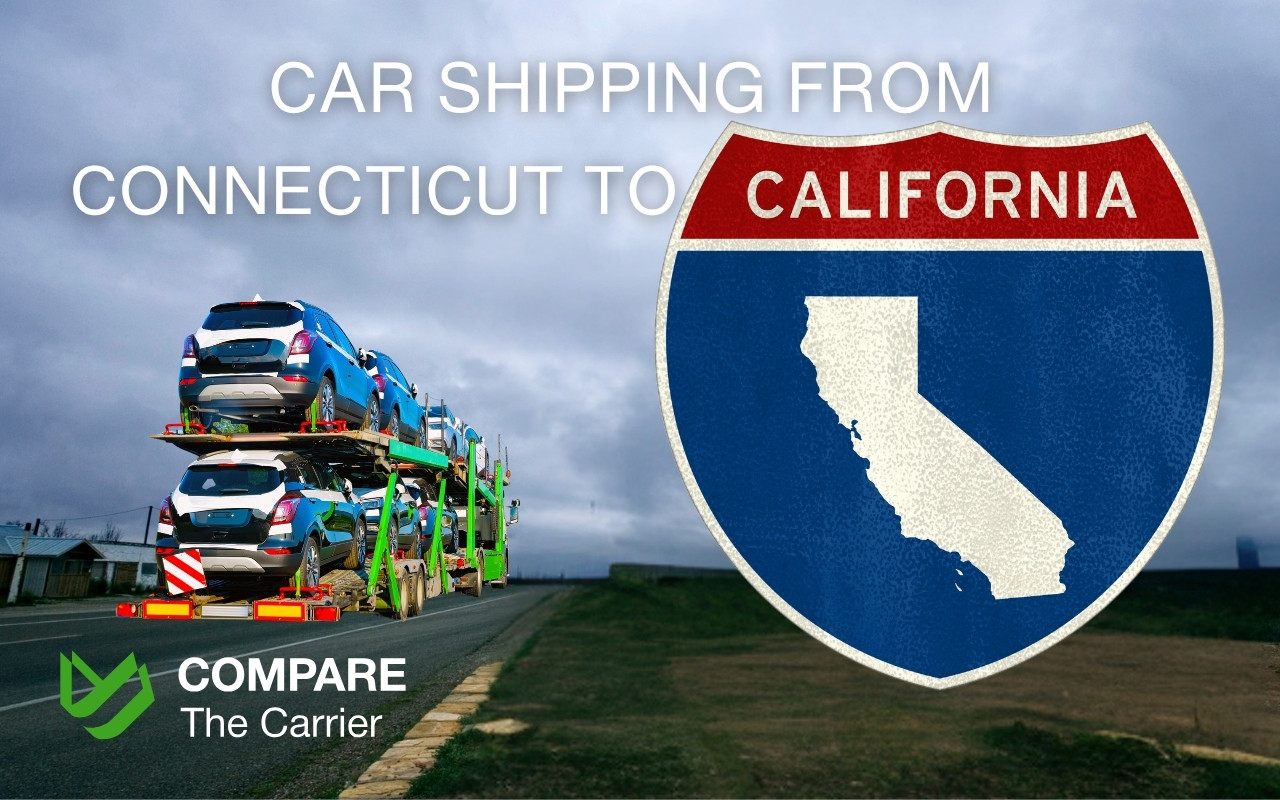
Key Takeaways
California continues to be a top destination for East Coast transplants, and Connecticut has seen a steady outflow of residents relocating for better weather, career changes, or retirement opportunities. Driving your car over 2,900 miles from CT to CA isn’t just time-consuming – it can be risky and expensive.
Add in the cost of fuel, hotels, food, and vehicle wear-and-tear across multiple states, and the value of professional auto transport from Connecticut to California becomes obvious.
Whether you’re a student heading to UCLA, a family relocating to San Diego, or a car enthusiast moving a vintage Porsche to the Bay Area, cross-country car shipping from Connecticut to California offers a cost-effective, safe, and convenient alternative to a long-haul drive.
But not all transport experiences are created equal. Scams, hidden fees, and poor communication are unfortunately common in the industry. That’s why CompareTheCarrier.com was built – to give customers a simple, transparent way to find trusted auto transporters who are licensed, insured, and highly rated.
Shipping a car from Connecticut to California might sound complicated, but when broken down step by step, it’s a highly manageable process – especially when working with a trusted auto transporter. Whether you’re shipping a daily driver, a family minivan, or a high-end luxury vehicle, the basic structure of auto transport from Connecticut to California follows a reliable and proven framework.
Here’s what the process looks like from start to finish.
Step 1: Get Quotes from Verified Carriers
Your first step is to gather and compare shipping quotes. Rather than calling carriers one by one, use a platform like CompareTheCarrier.com to receive multiple quotes from FMCSA-licensed and insured companies with five-star reviews. This helps ensure:
Quick Tip: Be sure to have details like your pickup and delivery ZIP codes, vehicle type, transport method (open/enclosed), and desired pickup window ready for the most accurate quote.
Step 2: Book Your Shipment and Confirm the Details
Once you select the carrier or broker that best fits your needs, you’ll confirm:
The carrier will send you a confirmation contract with all the details spelled out, including your rights, cancellation terms, and payment process.
Step 3: Carrier Assignment and Pre-Pickup Communication
If you’re using a broker, they’ll assign your shipment to a qualified carrier within their vetted network. The carrier will contact you 12–48 hours before pickup to:
Step 4: Vehicle Inspection and Pickup
The driver arrives, inspects your vehicle, and fills out the Bill of Lading (BOL) – a critical legal document that includes:
You’ll review and sign the BOL, and the vehicle is then loaded onto the transport truck.
Pro Tip: Take your own timestamped photos of your car from every angle before it’s loaded. This provides extra insurance in the rare case of damage during Connecticut to California vehicle transport.
Step 5: Cross-Country Transit – CT to CA
Your car travels approximately 2,900 to 3,100 miles, depending on the exact route. Most California car delivery from Connecticut takes 7 to 10 days, though this varies based on:
Some top-rated auto shipping companies offer GPS tracking or regular status updates, especially for enclosed transport or high-end vehicles.
Step 6: Delivery and Final Inspection in California
Once your car arrives in California, the driver will perform a final inspection to ensure it matches the condition noted on the BOL. You (or your designated recipient) should:
If there’s a balance due, payment is typically made at this time (unless you prepaid in full).
By following these steps and working with a platform that vets every carrier, cross-country car shipping from Connecticut to California becomes a straightforward and secure process.
What is a Carrier?
A carrier physically ships your vehicle, owning the trucks and employing the drivers.
Pros: Direct relationship with the hauler; potentially lower cost; more control over communication. Cons: Limited availability on long-haul routes; you must vet licensing and reputation yourself; few options for comparing rates.
What is a Broker?
A broker acts as an intermediary between you and a network of vetted carriers, handling rate negotiation, carrier selection, and customer support.
Pros: Access to a larger network for faster pickup; transparent pricing from multiple companies; brokers handle paperwork and coordination; ideal for long-distance or first-time shippers. Cons: You don’t choose the driver directly; not all brokers prioritize service quality equally.
When a Broker Makes More Sense
If you’re dealing with a cross-country move, a tight timeline, a specialty vehicle, or simply want a hands-off experience, working with a broker – especially a trusted platform like Compare The Carrier – is almost always the better route.
Broker vs Carrier: Which Is Better for CT to CA?
| Feature | Carrier | Broker via CompareTheCarrier |
| Availability | Limited | Wide network, nationwide coverage |
| Pricing Transparency | Depends on individual quotes | Multiple quotes side by side |
| Customer Support | Varies by company | Expert support team included |
| Ideal For | Simple, local shipments | Long-distance, complex, or first-time shippers |
| Licensing/Vetting | You must do it yourself | Done for you |
When a Broker Makes More Sense
If you’re dealing with:
Then working with a broker – especially a trusted platform like CompareTheCarrier – is almost always the better route.
Real Example: “We needed to ship our daughter’s car from Greenwich to Santa Clara for college. Compare The Carrier found us three options in 15 minutes, and the whole thing went off without a hitch.” – Lillian M., Verified Customer.
Understanding the Connecticut to California car shipping cost is essential for planning your move or vehicle delivery. Prices can vary widely depending on multiple factors – some of which are within your control. In this section, we’ll break down typical price ranges, what’s included, and how to ensure you get the most value without sacrificing service quality.
Average Cost to Ship a Car from Connecticut to California
As of 2026, the average cost ranges between $1,100 and $1,800 for standard open carrier service.
| Transport Type | Estimated Price Range | Transit Time |
| Open Carrier (Standard) | $1,200 – $1,600 | 7–10 days |
| Enclosed Carrier | $1,600 – $2,200+ | 7–10 days |
| Expedited Delivery | $1,800 – $2,500+ | 3–5 days |
These estimates are based on typical shipments from cities like Hartford, Stamford, and New Haven to major California destinations like Los Angeles, San Diego, San Francisco, and Sacramento.
What’s Included in the Price?
A standard quote from a auto shipping company will usually include:
Important: Not all quotes are created equal. Lowball quotes may hide additional fees or use unverified carriers. Always confirm what’s included.
Real Customer Example
“I shipped my 2020 Hyundai Tucson from Bridgeport to Los Angeles in February. CompareTheCarrier gave me four quotes – I went with a 4.9-star rated carrier and paid $1,350. The car arrived in 8 days in perfect condition.” – Jason P., Verified Review
Optional Costs That May Apply
Be aware of common surcharges that can affect your Connecticut to California vehicle transport bill:
Want to avoid surprises? Always request a full breakdown of any potential additional fees before booking.
How to Get the Best Price
Avoid peak seasons – Rates rise during winter snowbird season (Dec–March) and peak summer months (June–August).

If you’ve ever wondered why one quote for car shipping from Connecticut to California comes in at $1,200 while another hits $1,900, you’re not alone. Understanding the cost drivers behind vehicle transport can help you make smarter decisions, negotiate more confidently, and avoid overpaying.
Here are the main factors that impact the Connecticut to California car shipping cost – and what you can do about them.
1. Type of Transport: Open vs. Enclosed
The #1 factor affecting your rate. Open transport is the most common and affordable method. Enclosed transport offers full protection but costs 30–50% more.
Example: Shipping a Honda Accord via open carrier from Hartford to LA may cost ~$1,350. Using enclosed transport for a Porsche on the same route could cost $1,900+.
2. Vehicle Size, Weight, and Condition
Carriers price based on the space and weight your car occupies on the trailer.
| Vehicle Type | Cost Impact |
| Compact/Sedan | Base price |
| SUV/Truck | +$100 to $300 |
| Oversized Vehicle | May require special handling |
| Inoperable Vehicle | +$100 to $200 (for winching) |
Pro Tip: Always disclose your vehicle’s exact dimensions and condition upfront to avoid surcharges.
3. Pickup and Drop-Off Locations
Shipping from or to urban hubs like Stamford, Bridgeport, or New Haven is cheaper than rural or remote locations. That’s because:
Terminal-to-terminal shipping can save money, but door-to-door is more convenient and preferred by most users.
4. Time of Year / Seasonal Demand
Just like airline tickets, transport rates rise and fall with demand:
FMCSA data shows transport volumes from the Northeast to California spike up to 30% during December, making early booking essential.
5. Expedited vs. Standard Shipping
Need your car delivered ASAP? Expect to pay more for expedited shipping, which prioritizes your vehicle and minimizes wait times.
| Shipping Type | Delivery Window | Price Impact |
| Standard Shipping | 7–10 days | Base rate |
| Expedited Shipping | 3–5 days | +$300 to $800 |
Best for: Job relocations, military orders, last-minute moves
6. Fuel Prices and Route Efficiency
7. Insurance and Extra Services
Basic insurance is included, but higher-value vehicles may require more comprehensive coverage:
Also, premium services like top-load placement, white-glove handling, or real-time GPS tracking can add to your quote – but may be worth it for certain customers.
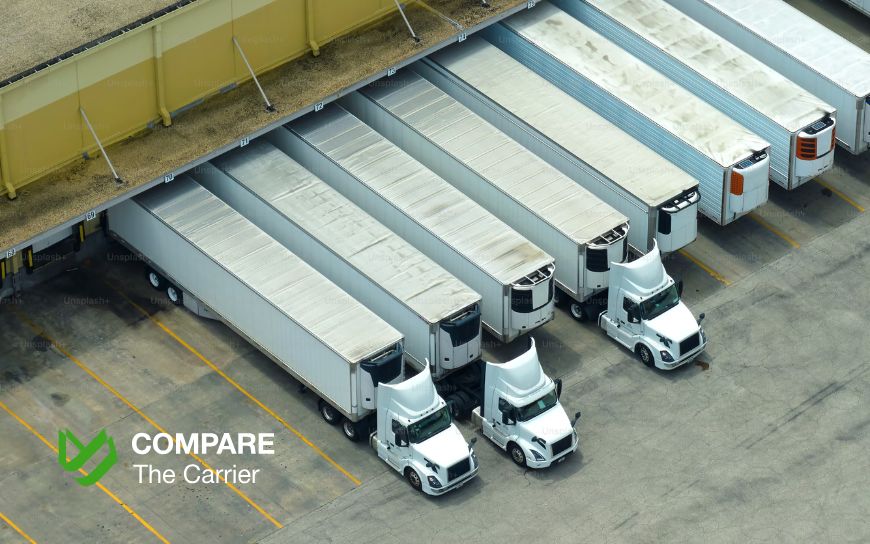
Once you’ve booked your car shipping from Connecticut to California, it’s time to prepare your vehicle for its journey. Proper prep doesn’t just protect your car – it also ensures smoother pickup, prevents disputes, and keeps the transport timeline on track. Whether you’re shipping a standard sedan or a collector’s car, follow these expert-recommended steps for safe and stress-free vehicle transport from CT to CA.
Step 1: Wash and Inspect Your Vehicle
Start with a thorough exterior and interior cleaning. A clean car makes it easier to identify and document – any pre-existing scratches, dents, or damage before loading.
These records provide crucial evidence in the rare event you need to file an insurance claim post-delivery.
Step 2: Remove All Personal Items
Most carriers and insurance policies do not cover personal belongings left in the car. Items can shift, get stolen, or cause damage during transport.
Remove the following:
Some trusted auto transporters may allow up to 100 lbs of items in the trunk, but you must disclose it in advance and it’s carried at your own risk.
Step 3: Perform Basic Maintenance
Although your car won’t be driven more than a few hundred feet on and off the trailer, it needs to be operable and safe.
Non-running vehicles require special handling equipment and usually cost more to ship. Be upfront about your car’s condition to avoid delays or rebooking.
Step 4: Leave Only 1/4 Tank of Fuel
More gas means more weight and a higher risk of leaks. Your transporter only needs enough to load, unload, and move your vehicle if necessary.
Step 5: Prepare Keys and Paperwork
Your driver will need one full set of keys, including:
You’ll also need:
Step 6: Coordinate Access for Pickup
Let the carrier know about:
Real Example: “We lived on a cul-de-sac in Greenwich. The driver called 30 minutes out and we met him in the local library parking lot. Easy.” – Hannah T., Connecticut to California shipment
Bonus: Appoint a Representative if You Can’t Be There
If you’re unavailable at pickup or delivery, assign a responsible adult to:
Notify the carrier in advance and ensure your rep has the proper documents and contact info.
Open Car Transport – The Standard, Affordable Option
Vehicles are loaded onto open, multi-level trailers – the same type used to deliver new cars to dealerships.
Pros: Most affordable (often 30–40% less than enclosed); greater carrier availability; faster scheduling. Cons: Exposed to weather, road debris, and dust; not ideal for antique, luxury, or high-value vehicles. Best for: Daily drivers, sedans, SUVs, and standard vehicles; budget-conscious customers.
Enclosed Car Transport – Maximum Protection for High-Value Vehicles
Places your car inside a fully covered trailer, typically hauling 2–5 vehicles.
Pros: Full coverage from weather and road grime; typically includes higher insurance coverage; drivers often trained in handling specialty vehicles. Cons: Adds $400–$800+ to your shipping cost; fewer available carriers, meaning potentially longer wait times. Best for: Classic or vintage cars, luxury or exotic vehicles, owners seeking the highest level of protection.
| Criteria | Choose Open Transport | Choose Enclosed Transport |
| Vehicle Type | Standard cars, daily drivers | Classics, exotics, luxury, or high-value cars |
| Budget | Looking for the lowest cost | Willing to pay more for extra protection |
| Protection Needed | Basic, weather-tolerant | Full protection from rain, hail, dust, debris |
| Insurance Requirements | Standard coverage sufficient | Need higher policy limits |
| Timing and Availability | Flexible scheduling, faster pickups | May wait longer for a slot |
With CompareTheCarrier.com, you can request and compare both open and enclosed shipping quotes side-by-side.

Shipping out of Connecticut to California or beyond? Here are the top routes our carriers run most often:
Shipping into Connecticut from California or elsewhere? Here are the top routes our carriers run most often:
Connecticut to California is one of our most popular routes, but Compare The Carrier connects you with vetted carriers between Connecticut and every other state in the country:
We also connect Ohio shippers with carriers from every other state, including Alabama, Arizona, Arkansas, Colorado, Connecticut, Delaware, Idaho, Indiana, Iowa, Kansas, Louisiana, Maine, Maryland, Massachusetts, Minnesota, Mississippi, Missouri, Montana, Nebraska, Nevada, New Hampshire, New Jersey, New Mexico, North Carolina, North Dakota, Oklahoma, Oregon, Rhode Island, South Carolina, South Dakota, Tennessee, Utah, Vermont, Washington, Wisconsin, and Wyoming.
Shipping the other direction? Explore the full Connecticut auto transport hub for reverse-direction routes from any state.
1. Advance Call from the Driver – Most carriers reach out 24 hours before delivery to confirm the drop-off address, discuss accessibility issues, and coordinate a nearby meeting point if needed.
2. Delivery Location Logistics – Large trucks can’t always access residential streets in dense or hilly areas. If needed, the carrier will arrange to meet you at a public parking lot or nearby shopping center.
3. Vehicle Inspection and Bill of Lading – Compare your car’s current condition to the BOL from pickup, check the odometer, and take photos for your records. Note anything unusual on the BOL before signing.
4. Final Payment (If Applicable) – You may have paid in full at booking, or owe a balance at delivery, often via cash, certified check, or digital transfer.
5. Quick Operational Check – Start the engine, check fluid levels, verify tires, brakes, and lights, and reinstall any items removed before shipping.
6. What If You Can’t Be There? – Assign a designated representative, notify the carrier ahead of time, and provide them with the Bill of Lading and photo documentation.
With thousands of transport companies out there, choosing the right one to handle your auto transport from Connecticut to California can feel overwhelming. That’s exactly why Compare The Carrier was created – to simplify the search, remove the risk, and connect you with licensed, professional, and affordable transporters you can trust.
Every transporter on CompareTheCarrier is fully licensed by the FMCSA, insured and compliant with industry standards, and screened for customer satisfaction, on-time delivery, and safety ratings.
Whether you’re shipping your daughter’s car to college in Santa Barbara or relocating your family’s SUV to San Diego, Compare The Carrier helps you do it right – and save money while you’re at it.
Get an instant, no-obligation estimate with our auto transport calculator, or explore our car shipping services to see how Compare The Carrier connects you with vetted, licensed carriers.
Still have questions about shipping your vehicle from Connecticut to California? We’ve compiled the most frequently asked – and most important – answers to help you feel fully informed and confident before booking your transport.
Standard delivery takes between 7 to 10 days, depending on the route, carrier schedule, and any delays due to weather or traffic. Expedited shipping typically shortens delivery to 3–5 days but costs more. Most carriers provide a 1–4 day pickup window after booking.
The average Connecticut to California car shipping cost ranges from:
$1,200 to $1,600 for standard open transport
$1,600 to $2,200+ for enclosed transport
$1,800+ for expedited or premium services
Exact pricing depends on vehicle size, location, service type, and time of year.
Yes. All carriers listed on CompareTheCarrier are FMCSA-licensed and insured.
Basic insurance is included in the shipping cost (usually covers up to $250,000–$1M).
Coverage applies to damage caused during loading, transport, or unloading.
Personal items left inside the vehicle are not covered.
Always review the carrier’s insurance terms before shipping and consider supplemental insurance for luxury or classic cars.
Open transport is best for standard vehicles and offers the lowest price.
Enclosed transport is ideal for high-value, exotic, or classic cars needing protection from weather and road debris.
If your vehicle’s value is over $50,000 or it holds significant sentimental value, enclosed is highly recommended.
It’s not recommended. Most carriers prohibit personal items for safety and insurance reasons.
Some allow up to 100 lbs in the trunk, at your own risk.
Items must be declared in advance and cannot obstruct driver visibility or access.
Never leave:
Electronics
Documents
Valuables
Tools or loose items
Yes, or you’ll need to assign a designated representative who is 18+.
That person will:
Sign the Bill of Lading
Inspect the vehicle with the driver
Handle any final payments or paperwork
Let the carrier know in advance if someone else will be present.
The Bill of Lading (BOL) is a legal document that:
Confirms the condition of the vehicle at pickup and delivery
Details the agreed-upon terms between you and the transporter
Serves as your primary proof for any damage claims
Always inspect your vehicle thoroughly and do not sign the BOL at delivery until you’ve confirmed everything is in order.
Yes, but it must be disclosed at booking. Inoperable vehicles require special loading equipment and will cost more to transport.
Additional fee: Typically $100–$200 depending on the carrier and trailer type.










Don't have time to fill out the form?
Call a transport company directly to get a quote now!
Select the category you need
Partner with Compare The Carrier & Grow!
We're open to collaborations, partnerships, and mutual growth! Whether you're an individual or a business, we offer exciting opportunities to work together. Fill out the form below to explore how we can collaborate.
Something Went Wrong
We're sorry, but something went wrong. Please briefly describe the problem you experienced in the text area below. Providing your contact information will allow us to follow up if needed.

Thank you,
your form has been accepted.
Your form has been successfully submitted. We appreciate your effort — our team will review it shortly and take the next steps.


