

Costco Auto Transport Made Easy: 3 Steps to Ship Your Car
Think you know everything about the Costco Auto Program? ...
7 November 2024
Planning a move, seasonal relocation, or vehicle purchase between Colorado and Florida? This expert guide explains how to organize safe, affordable car shipping from Colorado to Florida — with real costs, timelines, and trusted transport tips.
Calculate Shipping Quotes
Key Takeaways
Whether you’re escaping the Rocky Mountain winters, heading to college, relocating for work, or purchasing a vehicle out of state, car shipping from Colorado to Florida is a smart, time-saving solution. With more than 1,900 miles between the two states, driving isn’t always practical — especially when you factor in fuel costs, hotel stays, and wear on your car.
In 2026, auto transport from Colorado to Florida is faster, safer, and more reliable than ever, thanks to a wide network of licensed carriers operating nationwide, with Florida remaining one of the top destinations for seasonal migrants, retirees, and vehicle buyers.
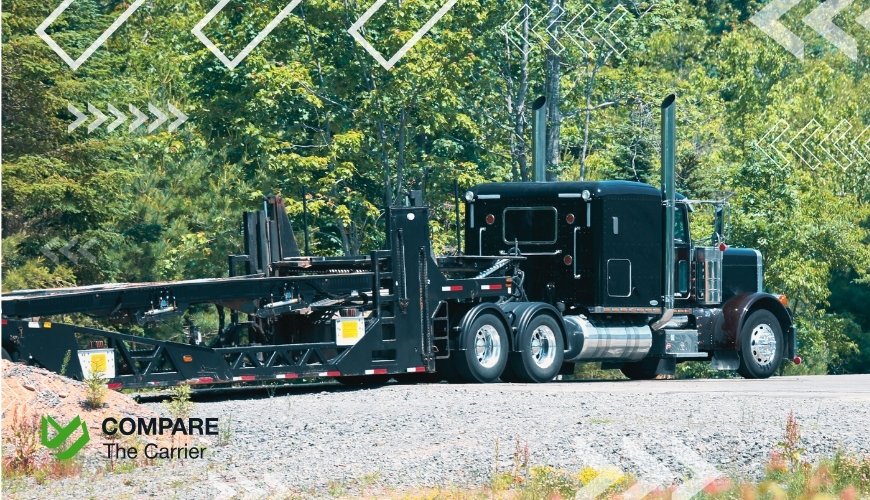
Shipping a car from Colorado to Florida may sound complicated, but with the right transport partner, the process is surprisingly streamlined. Whether you’re in Denver, Boulder, or Colorado Springs and heading to Miami, Tampa, or Orlando, professional carriers handle this coast to coast vehicle transport route daily.
Start by requesting quotes from licensed carriers or using a vehicle shipping calculator like the one on CompareTheCarrier.com. You’ll be asked to provide:
This allows you to instantly compare rates from top-rated auto shipping providers — without entering personal details.
After reviewing offers, choose the trusted auto transporter that fits your budget, schedule, and service expectations. Once you confirm, you’ll receive a booking confirmation and pickup window — usually within 1 to 5 business days.
On the pickup day, the carrier will inspect your vehicle and note any pre-existing damage on the Bill of Lading. This document will be used again upon delivery to verify the car’s condition.
Your vehicle is loaded onto a transport trailer (open or enclosed) and begins the long-distance auto transport journey from Colorado to Florida. Most carriers provide status updates or GPS tracking during transit.
Upon arrival in Florida, the driver performs a second inspection and delivers your car either door-to-door or at a designated location. Once you confirm everything’s in order, you’ll sign the final paperwork and complete the process.
With a reliable carrier and proper preparation, Colorado to Florida vehicle transport becomes a smooth, stress-free experience — no matter the distance.
Carriers own the trucks and handle loading, transit, and delivery directly. Brokers are intermediaries who connect you with vetted, FMCSA-licensed carriers from a nationwide network.
Pros of Using a Broker: access to more options and faster scheduling; easier to ship on less common or remote routes; ability to compare prices and timelines across multiple carriers.
Pros of Going Direct to Carrier: no brokerage fee; clearer communication with the driver; may suit repeat customers with specific carrier preferences.
Expert tip: If you value convenience, competitive pricing, and vetted options, a comparison platform like Compare The Carrier offers the best of both worlds.s don’t advertise publicly or only take jobs through broker networks.
Expert tip: If you value convenience, competitive pricing, and vetted options, using a comparison platform like Compare The Carrier offers the best of both worlds — access to reliable services, real-time pricing, and five-star customer reviews.
One of the most common questions people ask is: How much does it cost to ship a car from Colorado to Florida? The answer depends on your vehicle, timeline, and preferences — but on average, Colorado to Florida car shipping cost ranges from $950 to $1,750 for standard open car transport.
For enclosed trailers or expedited service, expect rates to rise to $1,500–$2,100+ depending on route, vehicle type, and season.
| Route | Vehicle Type | Open Transport | Enclosed Transport |
| Denver to Orlando | Sedan | $1,050 | $1,600 |
| Colorado Springs to Miami | SUV | $1,200 | $1,850 |
| Fort Collins to Tampa | Truck | $1,350 | $2,000 |
Pricing based on data from licensed FMCSA carriers and market trends.
Most quotes include:
Some lower-cost options may exclude extras like guaranteed pickup dates or real-time updates. That’s why it’s essential to compare quotes side-by-side to find a reliable auto shipping partner.
Need a real number? Use CompareTheCarrier’s Vehicle Shipping Calculator to get instant quotes for shipping a car from Colorado to Florida — no signup required.
1. Distance & Route — Routes between major cities are typically less expensive than rural-to-rural shipments.
2. Transport Type: Open vs Enclosed — Open transport is the most common and affordable. Enclosed transport offers extra protection but can cost 30–60% more.
3. Vehicle Type & Condition — Larger vehicles cost more; non-running or modified vehicles require special equipment.
4. Pickup & Delivery Locations — Remote mountain towns or gated neighborhoods may have limited access, potentially increasing costs.
5. Time of Year — Winter snowbird season increases competition and prices; booking early helps lock in better rates.
6. Delivery Speed — Expedited shipping comes at a premium; standard delivery windows keep rates lower.
Shipping a car from Colorado to Florida typically takes 5 to 8 calendar days, depending on your route, transport type, and time of year. While this is a long-distance auto transport route, professional carriers move vehicles coast to coast daily, making it a predictable and well-managed process.
| Route | Estimated Delivery Time |
| Denver to Miami | 6–8 days |
| Colorado Springs to Tampa | 5–7 days |
| Fort Collins to Orlando | 6–8 days |
Planning Tip: Book at least 1–2 weeks in advance if possible, especially during peak seasons. This allows you to secure a spot with a trusted auto transporter and potentially save money by avoiding last-minute surcharges.
Proper preparation ensures a smooth and stress-free experience when shipping a car from Colorado to Florida. It also protects your vehicle during loading, transit, and delivery. Here’s how to get your car ready for safe, long-distance auto transport:
Wash the car so any existing scratches, dings, or paint issues are easy to see. This helps during the pickup inspection and is critical for insurance documentation.
Take time-stamped photos from all angles, including close-ups of any existing damage. These will serve as proof if any issues arise during Colorado to Florida vehicle transport.
Carriers are not responsible for personal belongings left in the vehicle, and many are prohibited from transporting household goods. Remove everything from the cabin and trunk.
This is enough for loading and unloading but avoids extra weight during transport. It also complies with most nationwide car shipping safety guidelines.
Make sure your car alarm is turned off or that the driver has clear instructions on how to disable it in case it goes off during transit.
Inform the transporter if your car has issues like brake problems, oil leaks, or a dead battery. Non-operational vehicles can be shipped, but they require special handling and may cost more.
Take off any removable add-ons like bike racks, spoilers, or antennas. Also remove electronic toll tags to avoid unnecessary charges while the car is in transit.
Vehicle Shipping Prep Checklist:
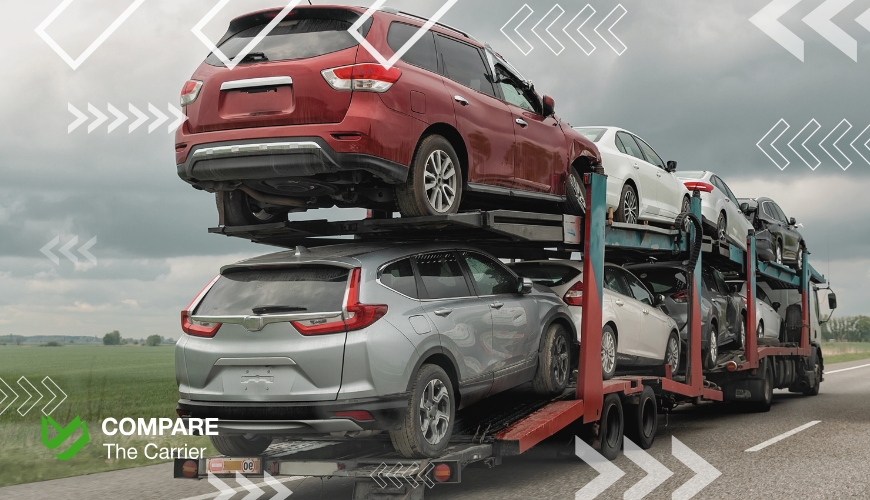
Proper prep ensures a smooth Florida car delivery from Colorado and minimizes any post-transport disputes.
Pros: Most affordable option; faster availability; ideal for standard cars and daily drivers.
Cons: Exposed to weather, road debris, and dust; slightly higher risk of cosmetic damage (though rare).
Best for: Reliable, cost-effective transport for standard vehicles.
Pros: Complete protection from the elements; more attentive handling; often includes higher insurance limits.
Cons: 30–60% more expensive than open transport; fewer trucks available.
Best for: Luxury cars, classic vehicles, or new car purchases requiring secure delivery.
| Feature | Open Transport | Enclosed Transport |
| Price | Lower | Higher |
| Protection Level | Basic | Maximum |
| Availability | High | Limited |
| Best For | Standard vehicles | High-value or exotic |
Shipping out of Colorado to Florida or beyond? Here are the top routes our carriers run most often:
Shipping the reverse direction? Check Florida to Colorado for pricing and timelines heading north.
Beyond the CO-to-FL corridor, Compare The Carrier connects you with vetted carriers to and from every state in the country:
Alabama · Arizona · Arkansas · California · Connecticut · Delaware · Georgia · Idaho · Illinois · Indiana · Iowa · Kansas · Kentucky · Louisiana · Maine · Michigan · Minnesota · Mississippi · Missouri · Montana · Nebraska · Nevada · New Jersey · New York · North Carolina · North Dakota · Ohio · Oklahoma · Oregon · Pennsylvania · South Carolina · Texas · Utah · Virginia · Washington · West Virginia · Wisconsin · Wyoming
Explore the full Colorado auto transport and Florida auto transport hubs for more.
1. Pre-Delivery Call from the Driver — Contact a few hours before arrival to confirm the exact drop-off location and time.
2. Final Vehicle Inspection — Compare the car’s current condition to the original Bill of Lading; note any concerns before signing.
3. Payment (if applicable) — Cash on Delivery via cash, certified check, or another agreed method.
4. Signing the Bill of Lading — Confirms receipt and completes the process.
Licensed, Vetted Carriers Only — All transporters are FMCSA-licensed and insured.
Instant Price Comparison — Compare Colorado to Florida car shipping costs from a wide network of carriers in one place.
Transparent, No-Obligation Quotes — Get free quotes instantly with no phone number or email required.
Real Customer Ratings — Filter by rating, delivery speed, and insurance coverage.
Built-in Support — Customer support and resources to help you understand every step of the process. seamless, leaving you free to enjoy your vehicle in Florida — without the stress of a long road trip.
When you’re investing in auto transport from Colorado to Florida, choosing the right partner can make all the difference. CompareTheCarrier is built for people who want safe, affordable, and transparent vehicle shipping — without the hassle or hidden costs.

Here’s why it stands out as one of the best car shipping companies for coast-to-coast service:
All transporters on CompareTheCarrier are FMCSA-licensed and insured. That means no shady operators, no fly-by-night carriers — just verified professionals with proven track records and five-star reviews.
No need to call around or submit multiple forms. The platform allows you to instantly compare Colorado to Florida car shipping costs from a wide network of carriers — all in one place.
You’ll never be asked for your phone number or email just to see pricing. Get free quotes instantly using the Vehicle Shipping Calculator with no commitment required.
CompareTheCarrier features auto shipping providers based on actual user feedback, so you can choose your carrier based on more than just price. Filter by rating, delivery speed, insurance coverage, and more.
Need help? The platform offers built-in customer support and resources to help you understand every step of the car shipping from CO to FL process.
Bottom line: Whether you’re moving across the country or selling a vehicle out of state, Compare The Carrier helps you find the most reliable, affordable, and safe transport solution — on your terms.
From the first quote request to final drop-off, shipping a car from Colorado to Florida doesn’t have to be stressful or unpredictable. With the right preparation, a trusted transport partner, and clear expectations, you can move your vehicle nearly 2,000 miles with confidence.
Get an instant, no-obligation estimate with our auto transport calculator, or explore our car shipping services to see how Compare The Carrier connects you with vetted, licensed carriers.
On average, cost ranges from $950 to $1,750 for standard open transport. Prices vary depending on route, vehicle type, time of year, and transport method.
Transit time typically ranges from 5 to 8 days, depending on pickup/delivery locations, carrier schedule, and road/weather conditions.
Using a broker or comparison platform saves time, gives access to more options, and ensures you’re working with licensed, rated carriers. Going direct may offer fewer choices and less flexibility.
Open transport is more affordable and widely available — ideal for standard vehicles. Enclosed transport costs more but offers maximum protection for luxury, classic, or high-value cars.
It’s recommended. You can assign someone to act on your behalf if they have proper documentation and contact with the driver.
Yes. All FMCSA-licensed auto transporters must carry insurance. Confirm coverage limits and request a certificate if needed.
Most carriers do not allow personal items due to insurance and weight restrictions. Remove all valuables before shipping.
Book at least 7–10 days in advance to secure the best rates and availability, especially during high-demand seasons like winter and summer.
Many trusted auto transporters offer tracking updates by phone, text, or email.
Yes, but it must be disclosed in advance. Shipping inoperable vehicles may require a winch and will incur additional costs.
Yes, most quotes include door-to-door transport, as long as the addresses are accessible by large transport trucks.
Many carriers accept Cash on Delivery (COD), certified checks, or online payments through the broker.
Inspect the car at delivery, note any new damage on the Bill of Lading, take photos, and contact your broker or carrier immediately to file an insurance claim.
Yes. Prices can spike during snowbird season, holidays, or high-traffic months. Booking early helps lock in lower rates.












Don't have time to fill out the form?
Call a transport company directly to get a quote now!
Select the category you need
Partner with Compare The Carrier & Grow!
We're open to collaborations, partnerships, and mutual growth! Whether you're an individual or a business, we offer exciting opportunities to work together. Fill out the form below to explore how we can collaborate.
Something Went Wrong
We're sorry, but something went wrong. Please briefly describe the problem you experienced in the text area below. Providing your contact information will allow us to follow up if needed.

Thank you,
your form has been accepted.
Your form has been successfully submitted. We appreciate your effort — our team will review it shortly and take the next steps.


