

California Auto Transport – Routes, Costs & Moving Guide [2026]
California, which is also called the Golden State thanks ...
15 February 2022
Planning a coast-to-coast move? Shipping your car from New York to California is safer, faster, and often cheaper than driving it yourself. With over 2,900 miles between the two states, smart movers rely on trusted auto transporters like those on CompareTheCarrier.com to handle the journey with zero hassle.
Calculate Shipping Quotes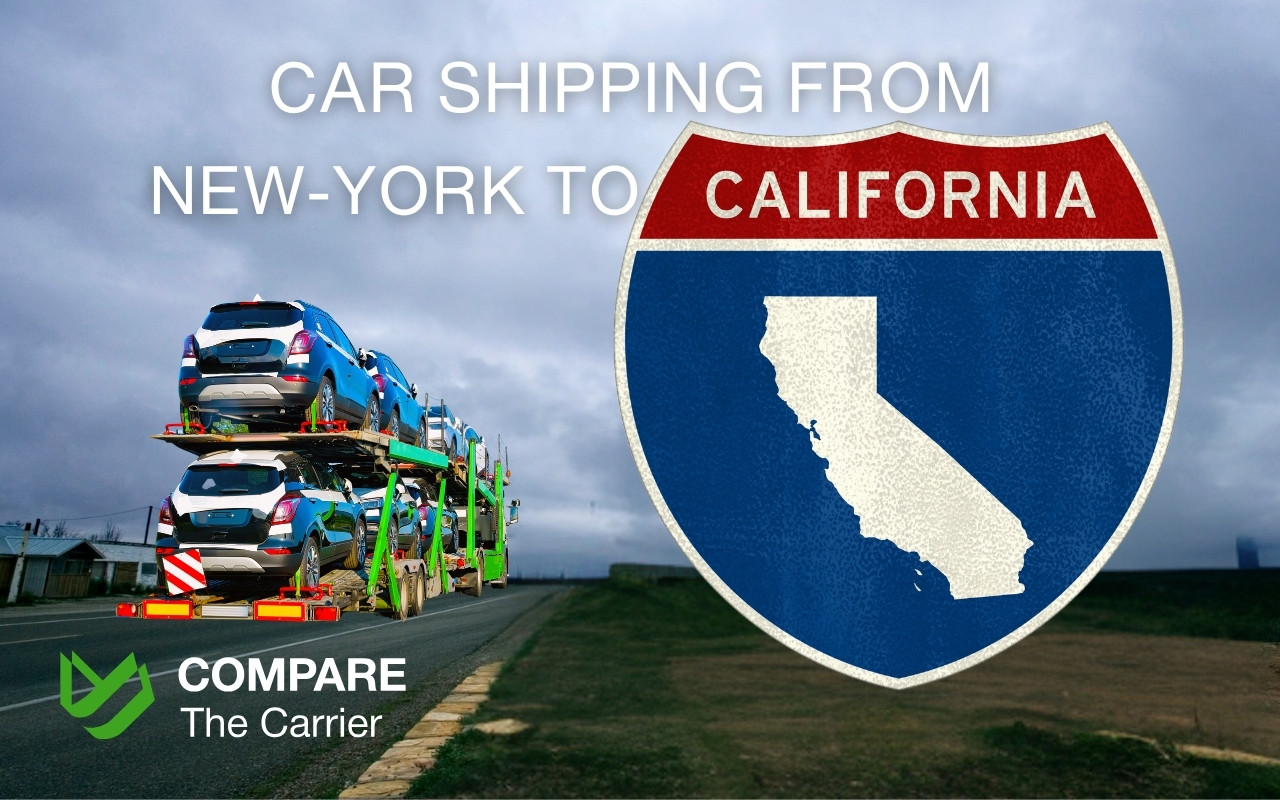
Key Takeaways
Whether it’s seasonal relocation, military reassignment, a college move, or a classic car purchase, cross-country vehicle transport is no longer a niche luxury — it’s become common practice. With long-distance road trips posing real wear-and-tear risks, shipping a car from New York to California has become a smart, safe, and surprisingly affordable alternative.
Compare The Carrier helps drivers cut through the noise, offering real-time quotes from top-rated auto shipping companies vetted for FMCSA compliance, insurance, and customer support ratings. With the average coast-to-coast drive spanning over 2,900 miles and taking at least 40 hours of road time, New York to California vehicle transport offers real peace of mind.
Whether you’re a snowbird heading west, a student relocating to LA, or a dealer shipping inventory to San Diego, this guide covers everything from pricing and prep to choosing the best car shipping company for your needs.
Shipping a car from New York to California isn’t just about booking a truck and waiting for it to arrive. It’s a tightly coordinated process that involves logistics planning, proper documentation, insurance verification, and choosing between several types of service. Here’s a breakdown of how auto transport from New York to California works — step by step:
The process typically starts with requesting quotes from reliable, top-rated auto shipping companies. Using a platform like CompareTheCarrier.com, you can compare quotes from multiple licensed and insured transporters side by side. These quotes are tailored based on your vehicle type, transport method, pick-up/drop-off flexibility, and exact route.
Pro Tip: Always check that the transporter is registered with the FMCSA and has a valid USDOT number. You can verify this via the FMCSA Licensing & Insurance database.
Once you’ve selected a provider, you’ll book your shipment. Most companies offer two roles:
(We’ll dive into the pros and cons of each in the next section.)
Once booked, you’ll get a contract, pick-up window, estimated delivery window, and insurance details. Make sure to read everything — including cancellation policies.
Before the transporter arrives, you’ll need to get your car ready (we cover this in-depth later on). This includes removing valuables, washing the exterior, taking detailed photos, and checking for any fluid leaks or low tires.
The driver will perform a pre-shipment inspection, which includes documenting the car’s condition on a Bill of Lading (BOL) — a legally binding document used throughout the transport process.
Once loaded, your vehicle will make the cross-country trek — typically taking 7 to 10 days, depending on distance, route congestion, and weather. The most common routes from New York pass through major interstates like I-80, I-70, and I-40.
Fun Fact: Cross-country car shipping from New York to California typically covers between 2,800 to 3,000 miles, depending on whether your delivery is headed to Northern, Central, or Southern California.
Throughout the transport, many trusted auto transporters offer GPS tracking or status updates, especially with top-tier enclosed carriers or expedited services.
Upon arrival in California, you or your representative will meet the driver for final drop-off. The car will be inspected again to confirm there’s no damage beyond what was noted at pickup. You’ll sign the BOL, pay any remaining balance (if not prepaid), and the process is complete.
Case in Point: A customer in Albany used Compare The Carrier to find a five-star reviewed hauler to deliver a classic 1969 Mustang to San Diego. The vehicle arrived in 8 days, in a covered trailer, with zero issues — and for $250 less than the dealer’s quote.
What Is a Carrier?
Pros: Direct communication with the driver or dispatch; often more control over scheduling; avoid broker fees. Cons: Limited truck availability, especially during peak seasons; more effort required to vet licensing and reputation.
What Is a Broker?
Pros: More options for hard-to-reach destinations; competitive pricing through a wide network; brokers handle vetting, paperwork, and coordination. Cons: Some brokers may not be transparent about carrier qualifications; less direct control over which carrier gets assigned.
When a Broker Makes More Sense
For most cross-country shipping needs, a broker is usually the smarter route — faster access to available haulers, better pricing through competition, help navigating logistics, and protection from scams through verified listings.

Understanding the New York to California car shipping cost is essential before booking transport. Prices can vary significantly depending on your vehicle type, time of year, and delivery preferences. However, having a ballpark figure — and knowing what drives the cost — gives you the upper hand when requesting quotes or negotiating with a transporter.
As of 2026, here’s what you can expect to pay to ship a standard sedan across the country:
| Service Type | Estimated Price Range | Estimated Transit Time |
| Open Carrier (Standard) | $1,100 – $1,500 | 7–10 days |
| Enclosed Carrier | $1,500 – $2,100 | 7–10 days |
| Expedited Shipping | $1,700 – $2,400+ | 3–5 days |
Source: Internal data from Compare The Carrier (2026), based on 8,800+ completed shipments.
These prices reflect coast-to-coast car shipping from New York to California, including major cities like NYC to Los Angeles, Buffalo to San Diego, or Albany to San Jose. They also assume operable vehicles, standard dimensions, and flexibility with pickup windows.
We’ll dive deeper into these in the next section, but in short, pricing is affected by:
“I shipped my 2022 Honda Accord from Brooklyn to San Francisco using CompareTheCarrier. Got quotes from five companies, chose one with a 4.8-star rating on the BBB, and paid $1,290. The car arrived in 8 days with zero issues.” — Jenna R., Verified Customer
Don’t just jump at the lowest quote — often, it’s too good to be true. Look for transparent pricing, verified insurance, and five-star reviews from real customers. Always factor in peace of mind and vehicle safety when calculating the real cost of auto transport New York to California.
When comparing quotes for car shipping from New York to California, you’ll quickly notice a wide range of pricing and for good reason. Transporting a car across nearly 3,000 miles involves many variables, from the time of year to the type of trailer used. Let’s look at the key factors that determine your final price, so you can make informed decisions and avoid overpaying.
1. Type of Transport: Open vs. Enclosed
Choosing enclosed auto transport from New York to California can increase the cost by 30–40%, but the protection may be well worth it.
2. Vehicle Size and Weight
Larger and heavier vehicles take up more space and add weight to the load — which directly increases fuel usage and transport complexity.
| Vehicle Type | Price Impact |
| Compact Car (e.g., Corolla) | Lower cost |
| Sedan (e.g., Accord) | Base pricing |
| SUV / Crossover | +$100–$300 |
| Pickup Truck or Van | +$200–$500 |
Always provide your exact make, model, and year when requesting quotes. Some top-rated auto shipping companies also ask about modifications, such as lifted suspensions or oversized tires.
3. Time of Year (Seasonal Demand)
Demand for cross-country car shipping New York to California fluctuates with the seasons:
According to FMCSA-licensed carriers, October and March are the busiest months for NY to CA vehicle transport, with average prices 15–20% higher.
4. Delivery Speed (Standard vs. Expedited)
If you’re working with a tight timeline, expedited shipping is worth considering. However, plan early if you want the best car shipping company at a fair price.
5. Pickup and Drop-Off Location
Urban areas like New York City and Los Angeles are major shipping hubs, which usually means lower rates and faster scheduling. But:
6. Fuel Prices and Route Conditions
Fuel prices directly impact shipping costs. A spike in diesel rates can raise your quote by $50–$200 depending on carrier load and distance. Weather and traffic along I-80 or I-40 — the main routes for New York to California vehicle transport — can also affect timing and cost.
7. Insurance Coverage
Reputable trusted auto transporters include basic liability coverage (usually $250,000–$1 million). But it’s worth asking:
Supplemental insurance may add $50–$150 to your total, depending on the policy and carrier.

Once you’ve chosen a trusted auto transporter and booked your car shipping from New York to California, your job isn’t done just yet. Properly preparing your vehicle ensures a smoother transport, helps avoid disputes during inspection, and protects your car during the 3,000-mile journey. Here’s exactly how to get your vehicle ready for safe, fast, and stress-free delivery.
1. Wash and Inspect Your Vehicle Thoroughly
A clean car makes it easier to spot dings, scratches, or other damage — both before and after shipping.
This step protects you in case of any damage claims during auto transport from New York to California.
2. Remove All Personal Items
Carriers are not licensed to transport personal belongings. Leaving items inside can:
What to remove:
Note: Up to 100 lbs of personal items may be allowed in the trunk only if the carrier agrees. Always ask first.
3. Check Fluids, Battery, and Tires
While the carrier handles the driving, your vehicle still needs to be in operable condition unless arranged otherwise.
Non-running cars may still be transported, but you must inform the carrier in advance — it usually involves a higher New York to California vehicle transport cost due to winch or forklift requirements.
4. Disable Alarms and Toll Tags
A beeping alarm or charged toll pass can create headaches on the road. Be sure to:
5. Leave a Quarter Tank of Gas
Why? Your car only needs to be driven on and off the carrier. A full tank adds unnecessary weight (which could affect cost or loading eligibility).
Best practice: Leave no more than 1/4 tank of gas in the vehicle.
6. Prepare Keys and Paperwork
Most carriers will require one full set of keys:
Also, have a copy of:
7. Coordinate Pickup Details
Real Example: “Our street in Queens was too narrow for the rig, but the driver called ahead and met us at a nearby Home Depot lot. It was easy, fast, and saved everyone time.” — Manuel G., Queens to Long Beach transport
Proper preparation not only protects your vehicle but also helps avoid delays or added costs. It also signals to the carrier that you’re a responsible customer — which can go a long way when it comes to care and communication during California car delivery from New York.
Open Car Transport — The Industry Standard
Advantages: Lower cost (typically $400–$700 less than enclosed); wider availability; faster shipping. Best For: Daily drivers, sedans, crossovers, compact SUVs, budget-conscious moves. Drawbacks: Exposed to weather, dust, and debris; minor cosmetic risks (though damage is rare with reliable carriers).
Enclosed Car Transport — Premium Protection
Advantages: Maximum protection from weather, road grime, and debris; often includes extra insurance; more personalized service. Best For: Luxury and exotic cars, classic cars and collectibles, low-clearance sports cars, vehicles worth over $75,000. Drawbacks: Higher cost (expect to pay 30–40% more); fewer available trucks during peak seasons.
| Factor | Go with Open If… | Choose Enclosed If… |
| Budget | You want the most affordable option | Cost is not a primary concern |
| Vehicle Type | It’s a standard or modern car | It’s rare, high-end, or has sentimental value |
| Weather Sensitivity | You don’t mind exposure to the elements | You need full protection |
| Insurance Requirements | Basic coverage is sufficient | You want higher coverage and peace of mind |
Shipping out of New York to California or beyond? Here are the top routes our carriers run most often:
Shipping the reverse direction? Check California to New York for pricing and timelines heading east.
Beyond the NY-to-CA corridor, Compare The Carrier connects you with vetted carriers to and from every state in the country:
Alabama · Arizona · Arkansas · Colorado · Connecticut · Delaware · Florida · Georgia · Idaho · Illinois · Indiana · Iowa · Kansas · Kentucky · Louisiana · Maine · Michigan · Minnesota · Mississippi · Missouri · Montana · Nebraska · Nevada · New Jersey · New Mexico · North Carolina · North Dakota · Ohio · Oklahoma · Oregon · Pennsylvania · South Carolina · South Dakota · Tennessee · Texas · Utah · Virginia · Washington · West Virginia · Wisconsin · Wyoming
Explore the full New York auto transport and California auto transport hubs for more.
Coordinating with the Carrier
A few days before delivery, your driver will contact you to confirm the ETA and arrange a meeting point. Drivers usually offer a 4- to 6-hour delivery window, narrowed down on the day of arrival.
Vehicle Inspection and Final Walkthrough
Review the Bill of Lading and compare it to your original photos, inspect for new dents, scratches, or mechanical issues, and only sign once you’re satisfied. Any damage must be documented in writing on the BOL before signing.
Final Payment (If Applicable)
Some carriers require full payment upfront; others operate on a partial upfront/COD model. Confirm your payment method and whether the balance is due at drop-off.
Getting Back Behind the Wheel
Check fluid levels, tire pressure, and battery if it was in transit for more than 10 days, and reinstall toll tags and accessories you removed prior to shipping.

Instant Access to Verified, Licensed Carriers — Every carrier is FMCSA-licensed, insured, and vetted, with verified USDOT and MC numbers.
Transparent Quotes — No Hidden Fees — Real rates that include pickup, delivery, insurance, and fuel surcharges, with optional services clearly labeled.
Real Customer Reviews and Ratings — Verified reviews and a rating system based on delivery time, care, and communication.
Tools Tailored to Your Needs — Price comparison calculator, quote request form, and live support chat.
Expert Customer Support When You Need It — U.S.-based support from real auto transport experts, available before, during, and after your shipment.
Shipping a car from New York to California doesn’t have to be complicated, stressful, or overpriced. Whether you’re heading west for school, escaping a snowy winter, relocating for work, or buying/selling a car across states, understanding the process puts you in control.
Get an instant, no-obligation estimate with our auto transport calculator, or explore our car shipping services to see how Compare The Carrier connects you with vetted, licensed carriers.
The average transit time is 7 to 10 days under standard shipping conditions. Expedited services can shorten this to 3 to 5 days at a higher price. Pickup typically occurs within 1 to 5 business days after booking.
The cost ranges from $1,100 to $2,100+, depending on transport type, vehicle size and weight, pickup/drop-off flexibility, seasonality, and fuel prices and route conditions.
Yes — especially for long hauls like this 2,900+ mile route. Shipping avoids wear and tear, eliminates fuel/lodging/food expenses, reduces exposure to road hazards, and keeps mileage low, preserving resale value.
Most carriers allow up to 100 lbs of personal items, limited to the trunk, at the owner’s risk. Items must be secured, and insurance does not cover personal belongings — always confirm your carrier’s specific policy.
Yes, ideally. Either you or a designated representative must be present to sign the Bill of Lading, conduct vehicle inspections, and approve delivery details.
Damage is rare, but reputable carriers carry insurance to cover potential incidents. Inspect your car thoroughly at delivery, note any damage on the BOL before signing, take timestamped photos, and file a claim with the carrier’s insurance.
Using a broker gives you access to a nationwide network of pre-vetted carriers, competitive pricing through multiple bids, and professional logistics support. Direct carrier booking can work if you know the industry, but for most people, brokers provide more peace of mind and value.
Typically a valid government-issued ID, a copy of the vehicle registration and title, and a signed shipping contract/Bill of Lading. If applicable, a power of attorney or release authorization for someone else to handle the shipment.








Don't have time to fill out the form?
Call a transport company directly to get a quote now!
Select the category you need
Partner with Compare The Carrier & Grow!
We're open to collaborations, partnerships, and mutual growth! Whether you're an individual or a business, we offer exciting opportunities to work together. Fill out the form below to explore how we can collaborate.
Something Went Wrong
We're sorry, but something went wrong. Please briefly describe the problem you experienced in the text area below. Providing your contact information will allow us to follow up if needed.

Thank you,
your form has been accepted.
Your form has been successfully submitted. We appreciate your effort — our team will review it shortly and take the next steps.


