

5 Reasons To Choose Enclosed Auto Shipping Over Open Transportation
Hey, moving a luxury vehicle but not sure if you need to ...
23 February 2022
Unlock the potential of auto transport in a DIY move. Transform your moving strategy with Compare The Carrier, saving time, effort, and money.
Calculate Shipping Quotes
DIY moves are popular because they save money and put you in control. But those savings shrink fast once long-distance driving enters the picture. Shipping your car instead of driving it is one of the easiest ways to keep a DIY move cheap and manageable — here’s how it fits in.
Ready to Ship Your Car for Your DIY Move?
Get quotes from licensed auto transport carriers for your route and vehicle. Compare your options and find a solution that fits your budget and timeline.
In this guide
A key decision in your DIY moving strategy is how to handle the transportation of your vehicle. While taking a road trip across the country might seem like an exciting option, it’s not without its challenges. Let’s dive into the pros and cons of both approaches.
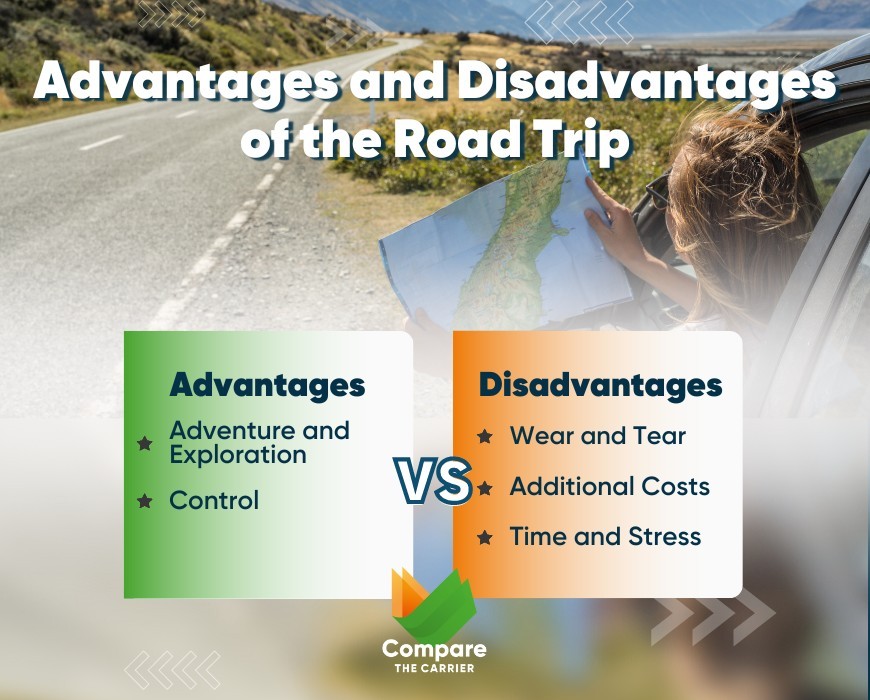
Pros:
Cons:
For a long-distance move, auto transport is usually the more efficient choice — it lets you settle in without the strain of a cross-country drive. If you’re moving far, our cross-country car shipping guide walks through what to expect.
Choosing to transport your vehicle through a professional service, on the other hand, offers its own set of benefits and drawbacks.
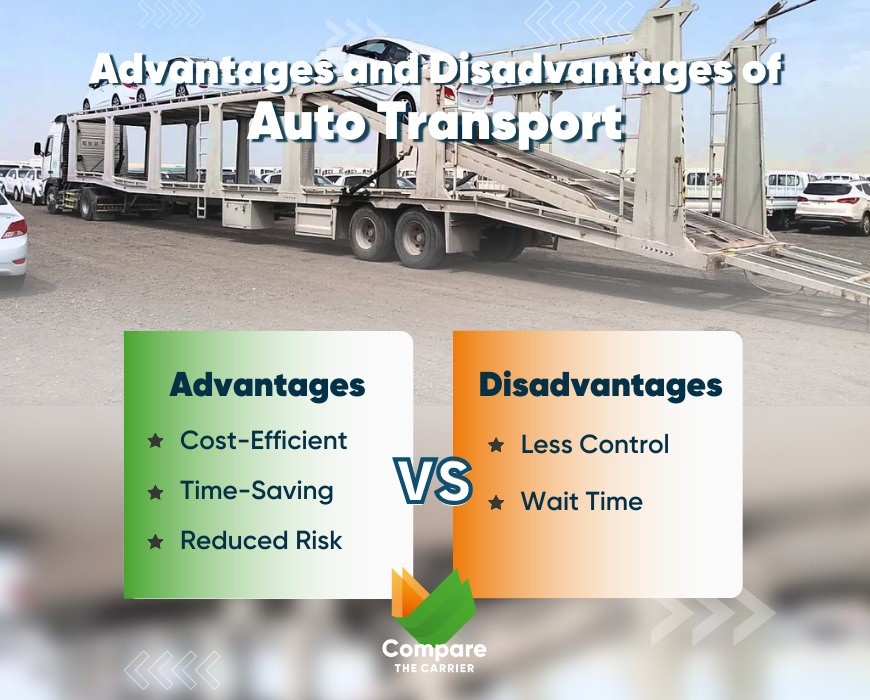
Weighing these pros and cons, it’s clear that auto transport can provide a valuable, efficient, and stress-free solution, especially for long-distance moves. It allows you to focus on settling into your new home, without the worries of long-distance driving. In the next section, we will discuss how to select a trustworthy auto transport provider.
A reliable carrier makes the whole move easier. These steps help you pick one.
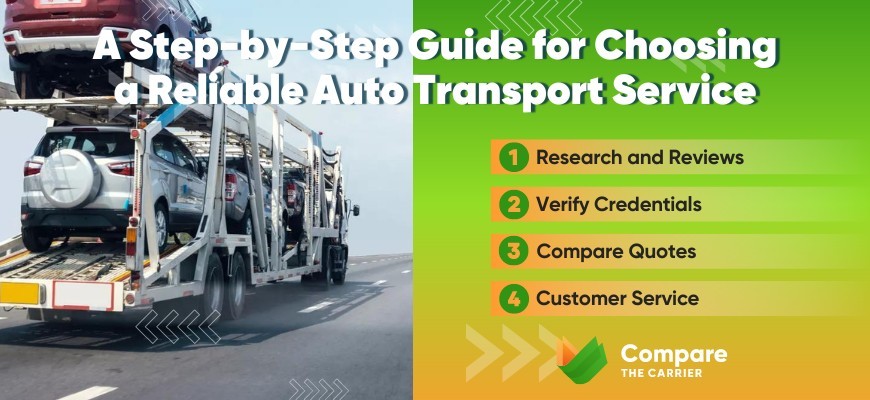
This takes time, but comparing car shipping through Compare The Carrier streamlines it — you see quotes from vetted, licensed carriers in one place, which saves time and avoids the usual guesswork.
An integral part of a successful DIY move is smart budgeting. While many might perceive auto transport as an added expense, it can, in fact, be a source of substantial savings. Here’s how:
Long self-driving adds mileage and maintenance costs. Shipping the car preserves its condition and value.
A long road trip racks up fuel, food, lodging, and parking — plus the value of your time. Shipping skips most of that.
Most carriers include insurance in the price, so your vehicle is covered in transit without extra out-of-pocket cost.
While auto transport inherently offers cost savings, there are ways to stretch your dollar even further:
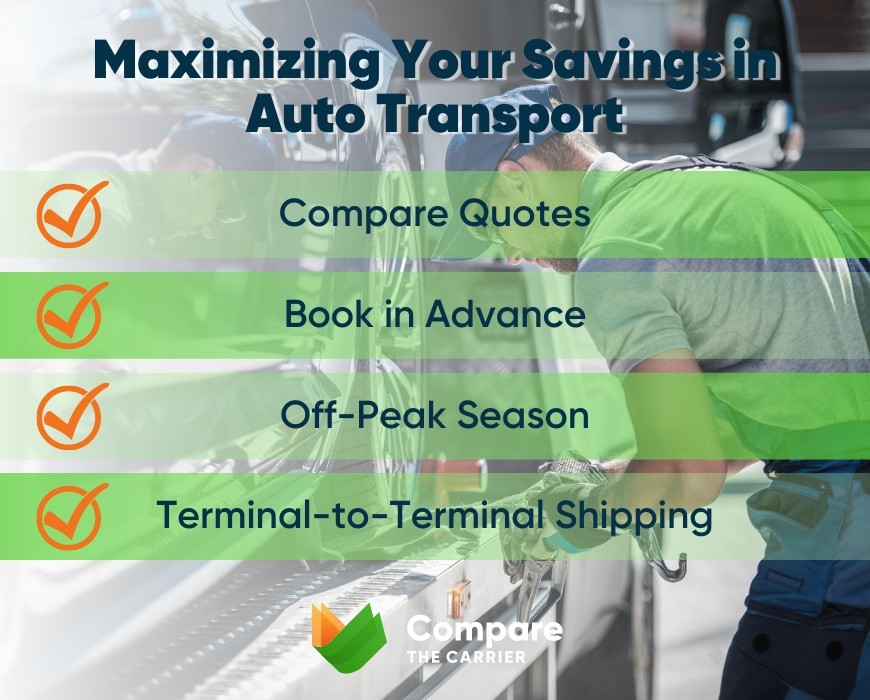
Shipping your car doesn’t just simplify a DIY move — it can genuinely cut the total cost. Book the right service at the right time, and the vehicle side of your move takes care of itself while you focus on everything else.
Also this can significantly ease the relocation process. By opting for a reputable service like those found through Compare The Carrier, you ensure safety, efficiency, and potential cost savings. This approach allows you to focus on other crucial aspects of your move rather than bearing the stress of long-distance driving.
By strategically selecting the right service, booking in advance, and making informed decisions, you can seamlessly integrate auto transport into your DIY move, leading to a stress-free and cost-effective transition to your new home. Partnering with Compare The Carrier ensures you find the best and most reliable auto transport solutions, tailored to meet your unique needs.
For a long-distance move, shipping is often cheaper once you add fuel, a hotel stop, meals, and the wear a long drive puts on the car. For a short move, driving usually wins. Check the cost to ship a car for your route and compare.
It depends on distance, vehicle size, and whether you choose open or enclosed transport. A cross-country move usually runs around $700–900 for a standard car, less on shorter routes.
Many carriers allow a limited amount — often up to about 100 lbs, in the trunk and below the window line. Items inside the car aren’t covered by the carrier’s insurance, and extra weight can affect the quote, so check with your carrier first.
Short routes take 1–5 days; a cross-country move is usually 7–10 days, depending on distance, route, and weather.
The carrier’s insurance should cover repairs. Inspect your vehicle before and after transport and report any damage right away.
You drop the car at one terminal and collect it from another at your destination. It’s cheaper than door-to-door but means arranging transport to and from the terminals.










Don't have time to fill out the form?
Call a transport company directly to get a quote now!
Select the category you need
Partner with Compare The Carrier & Grow!
We're open to collaborations, partnerships, and mutual growth! Whether you're an individual or a business, we offer exciting opportunities to work together. Fill out the form below to explore how we can collaborate.
Something Went Wrong
We're sorry, but something went wrong. Please briefly describe the problem you experienced in the text area below. Providing your contact information will allow us to follow up if needed.

Thank you,
your form has been accepted.
Your form has been successfully submitted. We appreciate your effort — our team will review it shortly and take the next steps.


