

Shipping a Financed or Leased Car – Lienholder Authorization Guide
Still making payments on your car? That doesn't usually s...
27 August 2026
If you’re shipping your car during a move, it’s usually best to arrange transport before the moving van arrives, ideally 3-4 weeks ahead for a standard interstate move. This gives you time to compare options, secure a carrier, and make sure your vehicle is ready before moving day.
Calculate Shipping Quotes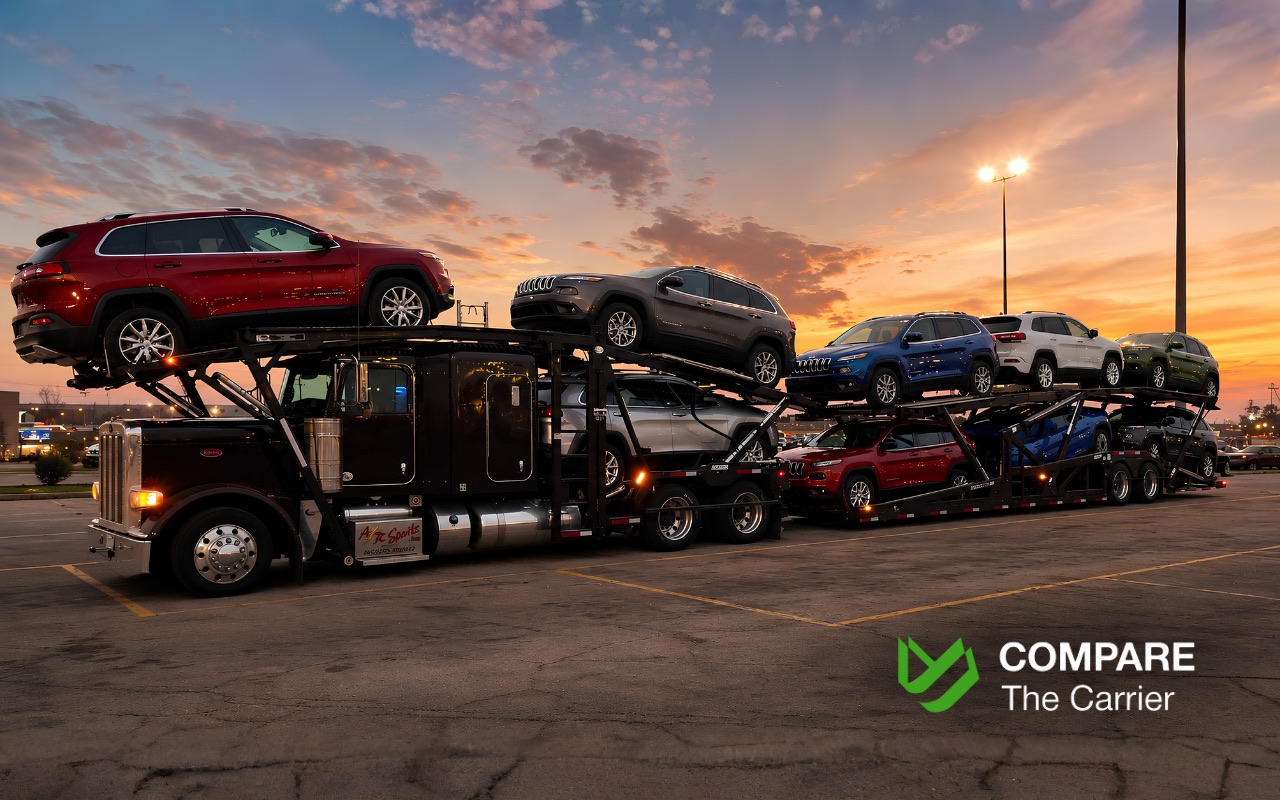
Moving day rarely goes the way you pictured it. Boxes multiply, the movers show up two hours late, and somewhere in the middle of it all you realize your car still has to get from one state to the other, and it obviously isn’t riding on top of the van. If you’re relocating, deciding how to ship a car to another state works best as an early decision, not something you squeeze in between packing the kitchen and canceling the internet.
Timing your shipment ahead of the moving van isn’t just a scheduling detail. It changes what you pay, how long you wait, and whether the car is even ready to drive when you land. This guide walks through when to book, how the process works step by step, what it actually costs, and the small mistakes that turn an easy shipment into a mess. Whether you’re driving a rental truck across three states or flying straight to your new city, get the car handled first. Everything else tends to fall into place once that piece is settled.
Most everyone thinks the moving van and the car should go together, perhaps like a matched set? Realistically they don’t really have to, and it actually costs less and reduces a considerable amount of stress to treat them as two separate logistics problems. Movers run on one schedule. The system of carriers, routes, and pick up windows with which auto transport companies operate is completely different. By combining the two, the two dates become one tight deadline rather than two.
Booking a car shipment first also means that you have more room to negotiate. Carriers charge a load price based in part on the amount of time they’re given to fill a load on the trailer. When you book a shipment three weeks ahead of time, it’s competing for space in a different way than a shipment booked three days out, and dispatchers can be more selective about who they assign you to, rather than just whoever is available. Start your car on its own schedule and the moving van becomes one less thing to coordinate on the day.
Another practical argument for this order is that your energy and attention are finite on move day. It’s easy to get lost in instructions and calls if you try to hand off a car to the transport driver at the same time as the movers are unloading boxes from the front door. If you can, space the two events out by a day or more, so each one gets handled on its own rather than competing for your attention.
This depends on distance, but the math resolves faster than most people think. Driving means covering gas, food, a hotel if the trip runs more than a day, and putting extra miles on a car that’s about to get a brand-new driveway. Several hundred dollars in fuel alone isn’t unusual for a 1,500-mile trip, on top of the added wear and the extra time off work. Open transport is often in a similar price range for the same distance, minus the road fatigue and the days out of your schedule.
Short moves, typically under 300 to 400 miles, are usually more practical behind the wheel. Once you factor in the time you invest, not just the money from gas receipts, long-haul and cross-country moves tend to make more sense shipped.
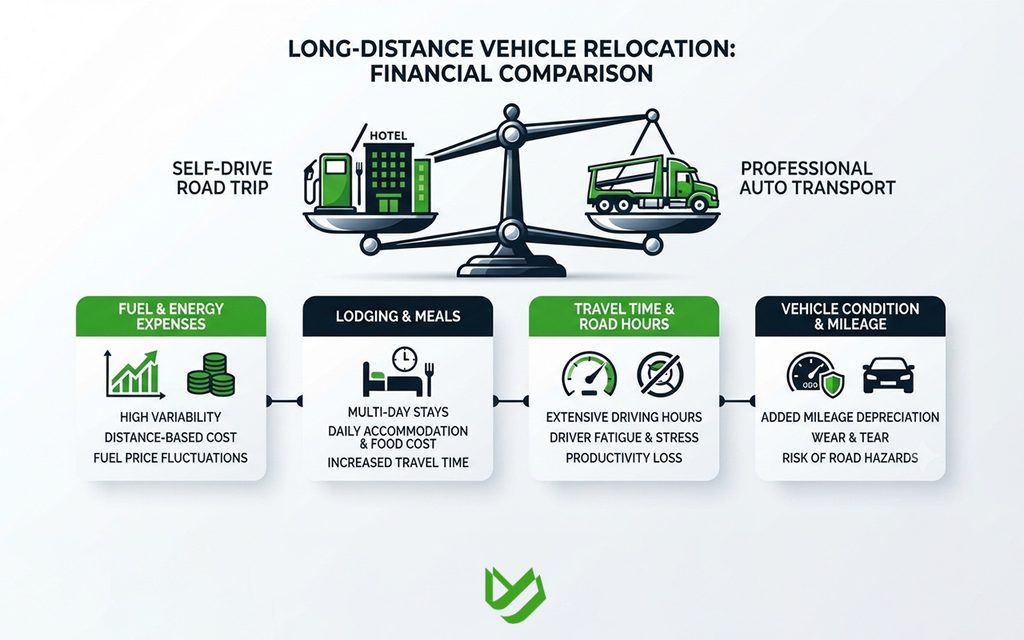
Shipping isn’t free of trade-offs. You lose direct control over the exact pickup and delivery time, since carriers work within windows rather than fixed appointments, so you’re waiting on a phone call instead of watching a map pin crawl down the interstate. Vehicles occasionally pick up minor cosmetic marks from road debris on open transport, though serious damage is rare with a licensed, insured carrier. You’ll also need someone available at both ends to hand off and receive the car, which can get complicated if you’re already juggling a dozen other moving-day tasks.
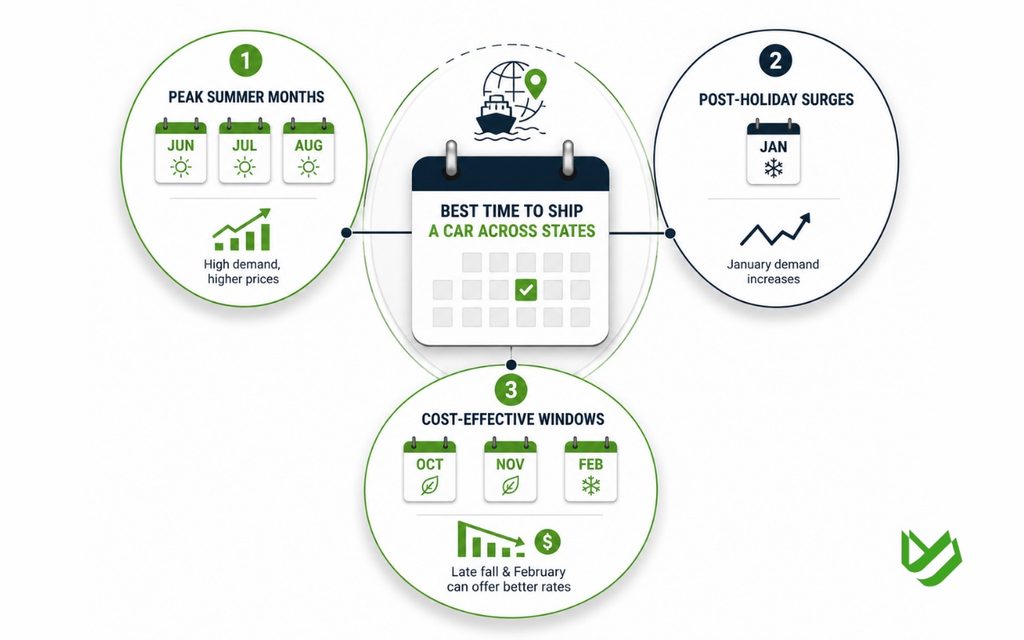
Late winter and late fall tend to run cheaper than the industry’s busiest stretch. Summer, roughly May through August, is peak relocation season – families move before the school year starts, college students ship cars home and back for the semester, and carriers fill up fast. January carries its own spike as post-holiday relocations and snowbird traffic collide. If your move date has any flexibility at all, shifting it a couple of weeks outside the busiest months can shave real money off your quote.
| Time of Year | What to Expect |
|---|---|
| February | One of the cheaper stretches – post-holiday demand has cooled and carriers have open capacity. |
| March-May | Rates start climbing as spring relocations pick up. |
| June-August | Peak season nationwide – summer moves, college shipments, and PCS orders keep trucks full. |
| September | A modest bump from college students shipping cars for the fall term. |
| October-November | Typically the best window for lower rates and quicker pickup. |
| December-January | Mixed – lower demand but fewer drivers on the road over the holidays, plus a January snowbird surge. |
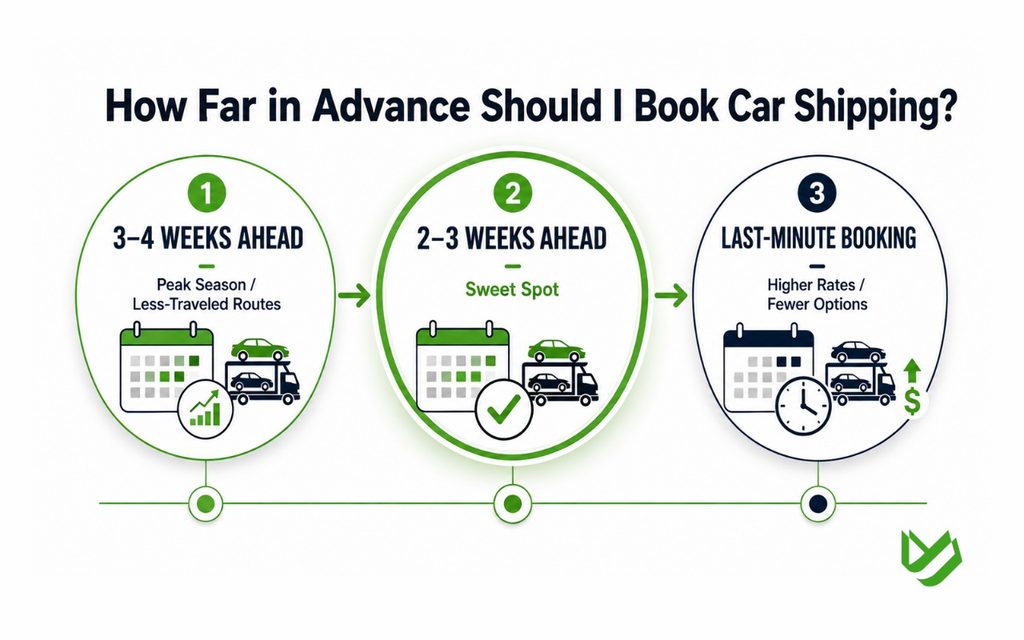
The honest answer: as soon as you know your moving dates, not once the van is already scheduled to leave. Companies that handle state-to-state car shipping work weeks ahead to line up the right carrier for your route, and waiting until the last minute usually means paying a premium for whatever truck happens to be free.
Two to three weeks ahead is the sweet spot for most routes. That gives dispatchers time to match your shipment with a carrier already driving your corridor instead of scrambling on short notice. If you’re moving during peak season or heading to a less-traveled route, stretch that window to three or four weeks to be safe.
Transit time depends heavily on distance, and it’s worth checking a detailed breakdown of how long car shipping takes before you commit to a delivery date. As a general rule, shorter regional routes wrap up in a few days, while cross-country moves take over a week once pickup scheduling is factored in.
| Distance | Typical Transit Time | Total Shipping Window |
|---|---|---|
| Under 500 miles | 1–3 days | 2–5 days |
| 500–1,500 miles | 3–5 days | 5–8 days |
| 1,500–3,000 miles | 5–8 days | 7–12 days |
| Cross-country (3,000+ miles) | 7–10 days | 10–14 days |
Notice the difference between “transit time” (the truck actually rolling) and “total shipping window” (from the day you’re ready to the day it arrives, including the wait for a carrier to accept the load). Brokers tend to quote the shorter number, so ask for both when you’re comparing offers.
Work backward from your move-in date, not your move-out date. If you’ll need the car the same day you arrive, book pickup early enough that the estimated delivery lands a few days before you do – carriers hit windows, not exact hours, so build in a cushion. A common approach: schedule car pickup a day or two before the movers load the van, so the vehicle is already en route while you’re finishing final walkthroughs and paperwork at the old place.
Auto transport carriers don’t work off a single date the way a moving company might promise “we’ll be there at 9 AM.” Pickup and delivery are both windows, not appointments, and understanding the difference is what keeps move day from turning into a waiting game.
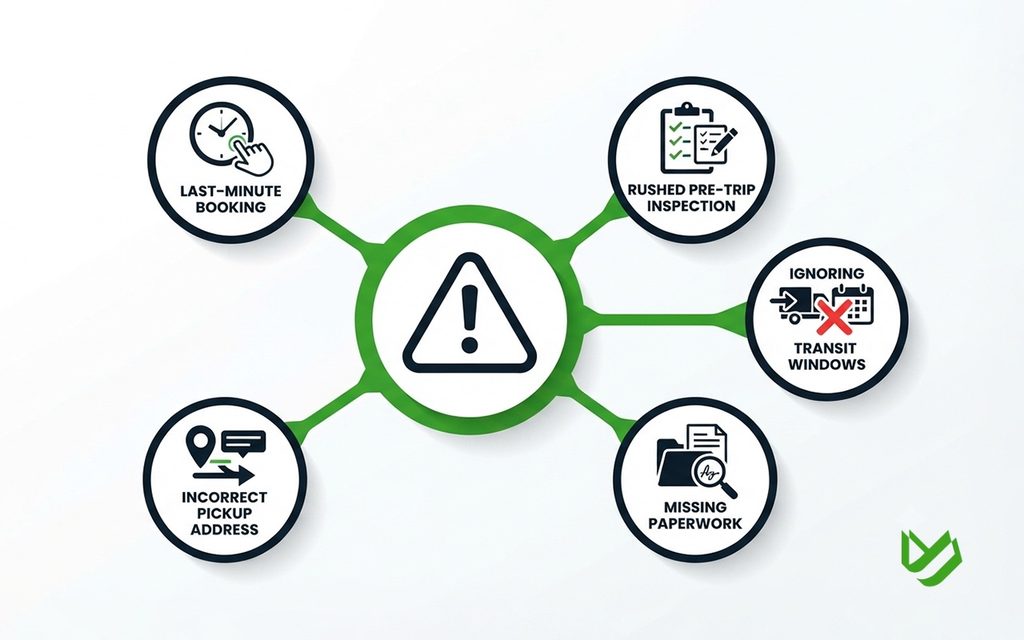
Shipping a car sounds more complicated than it actually is once you break it into stages. Here’s how you ship your car to another state from start to finish, without the guesswork.
Pick a pickup window that fits your move, then build in a buffer of a day or two. Carriers almost never hit an exact date – they work within a range, so a flexible mindset here saves frustration later.
Look for a company that’s FMCSA-licensed and carries active cargo insurance, and check how long they’ve actually handled routes like yours. Compare at least two or three quotes instead of taking the first one that lands in your inbox – pricing for the exact same route can swing by a few hundred dollars between carriers.
Decide between open and enclosed transport, and between door-to-door delivery or dropping off at a terminal. The next section breaks down exactly how those options differ and which one fits a typical daily-driver vehicle.
Once you’ve settled on a carrier, get the details in writing: pickup window, delivery estimate, price, and what’s included. Running your route through an auto transport calculator first gives you a sense of what a fair quote looks like, so you’re not signing off on a number with no context.
Clean the car, pull out any toll transponders, and photograph it from every angle before the driver shows up. This step matters more than people expect – we’ll walk through exactly why a little further down. Give yourself thirty minutes for this rather than rushing it between other moving-day tasks; a rushed inspection is how minor pre-existing damage ends up misattributed to the carrier later.
The right car shipping method depends on your vehicle, budget, and how much protection you need during transit. Open transport is the standard choice for most vehicles, while enclosed shipping offers extra protection for cars that are more valuable or sensitive to the elements. Here’s how the two options compare.
For most daily-driver vehicles, open transport is the practical choice – it’s what the large majority of shipments use, and it’s meaningfully cheaper. Enclosed transport earns its higher price on classic cars, exotics, or anything where cosmetic protection matters more than saving a few hundred dollars.
| Open Transport | Enclosed Transport | |
|---|---|---|
| Typical cost vs. open | Baseline | 30–50% higher |
| Best for | Sedans, SUVs, trucks, everyday vehicles | Classic, luxury, exotic, or low-clearance cars |
| Availability | Wide – more carriers on the road | Narrower – fewer trucks, longer pickup wait |
| Weather / debris exposure | Yes, some exposure | Fully enclosed and protected |
Open transport moves your car on a multi-level trailer alongside several other vehicles – the same style of truck that delivers new cars to dealerships. It’s the default for anyone shipping a car from state to state, mainly because there are simply more open carriers on the road, which also means a shorter pickup wait. The trade-off is some exposure to weather and road debris, though real damage is uncommon with a properly loaded, licensed carrier.
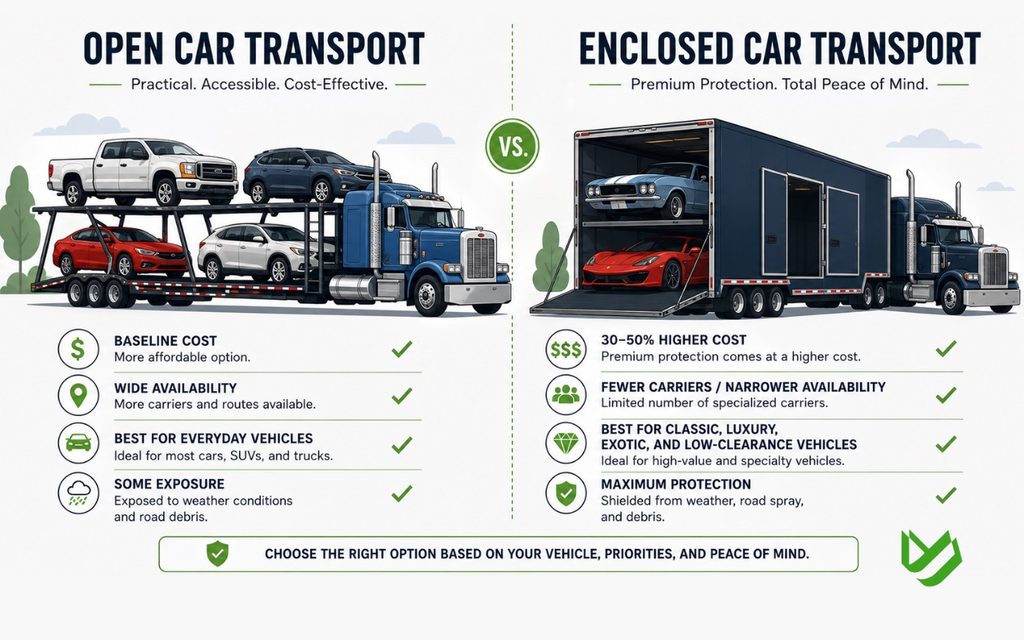
Enclosed transport ships your vehicle inside a fully covered trailer, shielded from rain, road spray, and flying debris. It typically runs 30 to 50% above open transport, largely because enclosed trucks carry fewer vehicles per trip and cover fewer routes. It’s worth paying for on a high-value, classic, or low-clearance vehicle. For a standard sedan or SUV, it’s usually money spent on protection the car doesn’t need.
Beyond open vs. enclosed, most quotes will also ask whether you want door-to-door or terminal-to-terminal service – and for a move, that choice matters almost as much as the transport type itself.
| Door-to-Door | Terminal-to-Terminal | |
|---|---|---|
| Convenience | Higher – driver comes to your home or a nearby street | Lower – you drop off and collect at a terminal |
| Price | Usually higher | Can be lower, since the carrier isn’t detouring |
| Best for | Moving households, tight timelines | Flexible schedules, drivers near a terminal |
| Availability | Wide – most carriers offer it | Narrower – fewer terminals in smaller markets |
For a move specifically, door-to-door is usually worth the extra cost. It removes one more stop to plan around on a day that already has a moving van, a lease walkthrough, and a dozen other things competing for your attention.
There’s no single “best” way to ship a car to another state – it depends on the vehicle, the route, and how much of the schedule you’re willing to trade for a lower price. But a few defaults hold true for most moves. Comparing a couple of quotes through a car shipping service and reviewing your state-to-state car shipping options before you book is the easiest way to see how these trade-offs actually shake out for your route:
Put together – open transport, door-to-door, booked a few weeks out with some flexibility – that combination is what most people mean when they ask for the “best” or “cheapest” way to ship a car to another state.
Pricing swings on distance, vehicle size, season, and transport type, but a few benchmarks help set expectations before you request quotes. Nationally, open transport shipments run roughly $500 to $1,800 depending on how far the car is traveling, with per-mile rates generally falling between $0.60 and $1.70 – higher on short routes, lower once you’re into cross-country mileage. These are estimates, not guaranteed rates: actual quotes vary by route, vehicle, season, carrier availability, and current fuel prices, so treat the ranges below as a starting point. If you’re unsure where your route falls, don’t guess – run it through a calculator instead of assuming a number.
| Distance | Typical Cost (Open Transport) |
|---|---|
| Under 500 miles | $500 – $800 |
| 500–1,500 miles | $700 – $1,200 |
| Over 1,500 miles | $1,000 – $1,800 |
Want to see what your specific route might cost? Use the auto transport calculator to get an estimate based on your vehicle, route, and shipping details.
Open transport, booked two to three weeks out, with flexible pickup dates, is consistently the cheapest way to ship a vehicle. Being willing to meet the driver at a nearby highway-accessible spot instead of a tight residential street can also shave money off the quote, since it saves the carrier real time on pickup.
Coast-to-coast shipments generally land between $1,000 and $1,800 for open transport, though busy corridors can come in lower and remote or low-demand routes can run higher. Shipping your car across the country with enclosed transport adds a meaningful premium on top of those figures.
A range of operational variables influences the final quote from your auto transport broker. Total transit distance, vehicle weight and physical dimensions (larger lifted trucks or full-size SUVs take up more trailer space), seasonal demand, and diesel fuel prices all play a role in rate calculations. Supplying precise, accurate vehicle specifications to your carrier helps your initial quote hold from pickup to final delivery.
| Factor | How It Affects Price |
|---|---|
| Distance | Longer routes cost more overall but less per mile |
| Vehicle size | SUVs and trucks cost more than sedans; they take up more trailer space |
| Transport type | Enclosed runs 30–50% above open transport |
| Season | Summer and post-holiday months push prices up; late fall tends to run cheaper |
| Running condition | Non-running vehicles need winch loading, typically adding $150–$300 |
| Pickup location | Rural or hard-to-access addresses cost more than a highway-adjacent pickup point |
A little prep work at pickup saves arguments at delivery. Clean the car inside and out so any existing scratches or dents are actually visible, remove loose items and toll transponders, and keep the gas tank under a quarter full – carriers keep vehicles light for weight reasons.
Most carriers will ask for the vehicle’s title or registration, a valid ID, and proof of insurance, though the exact list can vary by carrier and by state. The carrier will also walk you through a Bill of Lading, a condition report you sign at pickup and again at delivery. For the full rundown, our vehicle shipping document checklist covers what to have ready before the driver arrives.
| Document | Why You Need It |
|---|---|
| Title or registration | Confirms ownership before the carrier will load the vehicle |
| Valid photo ID | Matches the name on the shipping order at pickup and delivery |
| Proof of insurance | Some carriers request this alongside their own cargo coverage |
| Bill of Lading | Documents the car’s condition at pickup and delivery |
Some carriers allow a limited amount of personal items, often cited around 100 pounds, packed below the window line so nothing shifts or becomes visible from outside. This isn’t standard everywhere, isn’t guaranteed, and generally isn’t covered by cargo insurance, so confirm the policy with your specific carrier before you pack anything in. Our guide on shipping a car with personal items covers the details and the risks worth knowing about.
Reputable auto transport carriers should carry cargo insurance covering your vehicle in transit, but coverage limits, deductibles, and exclusions vary by company – don’t assume it works the same way a moving company’s policy might. It’s worth confirming a carrier’s coverage before booking, and checking whether your own auto policy adds anything extra during the trip. Ask specifically what the deductible is and whether it covers pre-existing mechanical issues, since coverage details vary more between carriers than people assume. Our guide to auto transport insurance breaks down what’s typically covered and what isn’t.
Once your car is loaded, it’s largely out of your hands until delivery, which is exactly why the prep and documentation from the previous section matter so much upfront.
Most brokers provide a tracking number or a driver’s direct contact so you can check status along the route. Some carriers now offer GPS-based updates through an app or text alerts, though it’s still common for smaller carriers to rely on a simple phone check-in instead.
Serious damage is rare with a licensed, insured carrier. Most reported issues are minor, like light scuffs from road debris on open transport. That’s exactly why documenting the vehicle’s condition before pickup matters – it gives you a clear comparison point at delivery. Our guide on how to document the condition of your vehicle for shipping walks through a straightforward way to do it.
Weather, mechanical issues, or a carrier consolidating loads can all push a delivery back a few days. Reputable companies communicate when this happens rather than going quiet, so ask upfront how delays get handled and whether you’ll receive updated estimates along the way.
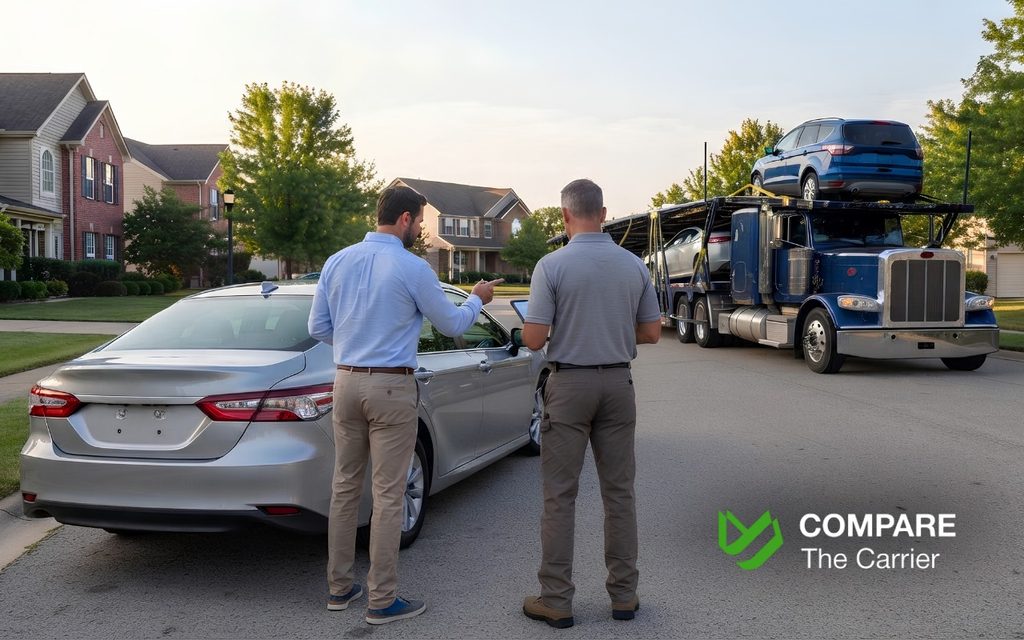
Once your car arrives, the final step is making sure it’s in the same condition as when it was picked up. A quick inspection and the right person at delivery can help you catch and document any issues before the shipment is officially completed.
Walk around the car before signing anything. Compare it against your pre-shipment photos, check for new dents, scratches, or fluid leaks, and test that everything that worked before pickup still works. Note anything unusual directly on the delivery paperwork before you sign – once it’s signed, disputing new damage gets a lot harder.
Someone needs to be there, whether that’s you or another adult you’ve designated, at both pickup and delivery to inspect the vehicle and sign off. It doesn’t have to be you personally if your moving schedule has you somewhere else that day, but it does have to be someone able to act on your behalf.
Moving plans rarely go exactly as scheduled, and your car shipment may not line up perfectly with the moving truck. The good news is that the two schedules can usually be managed separately, as long as you plan around pickup, delivery, and who will be available when needed.
If the moving van pulls out before the auto transport carrier picks up your car, that’s not actually a problem as long as someone can still hand off the vehicle at the scheduled window. The two events don’t need to happen in any particular order – what matters is that someone trustworthy is available at pickup, whether that’s you, a neighbor, or a friend you’ve briefed on the paperwork. Let your carrier know if your own plans shift so they have a current contact number for pickup day.
This is where booking early pays off. Since moving vans and auto transport carriers run on separate schedules, you can usually get the car to your new address well ahead of a slower-moving truck – just work backward from your arrival date when picking a pickup window, and build in the buffer discussed above. If your timeline is especially tight, mention it when booking; some carriers can prioritize a route if there’s flexibility on their end, though that isn’t guaranteed and may cost more.
Shipping a car ahead of the moving van isn’t complicated once it’s broken into a few simple steps: book two to three weeks in advance, choose open or enclosed transport based on what the vehicle actually needs, document its condition before pickup, and build in enough buffer for delivery. There’s no single best way to ship a car across the country that fits every situation, but making the decision early gives you more control over the timing and makes the rest of the move noticeably easier to manage. The key is to treat car shipping as part of the moving plan, not something to figure out at the last minute.
Reliability comes down to licensing, insurance, and a track record on your specific type of route, rather than any single “best” name. Compare a few FMCSA-licensed options through a car shipping service and check reviews for your particular corridor before booking.
It depends on distance. For short moves under 300–400 miles, driving is often cheaper once you skip carrier fees. Past that, fuel, food, lodging, extra mileage, and the value of your own time usually make shipping the better deal, especially on routes over 1,000 miles.
It’s not required, but it’s appreciated for smooth, no-hassle service, especially if the driver navigated a tricky pickup location. Among people who do tip, $20 to $40 is a common range.
Yes, but you need to disclose it when booking. Non-running vehicles require winch or forklift loading, which not every truck is equipped for, and it typically adds $150 to $300 to the base rate along with a longer pickup window.
Usually, yes, as long as you give the broker enough notice. Last-minute changes are harder to accommodate since the carrier’s route is already set, so flag any scheduling shifts as early as you can.
Run your pickup and delivery details through an auto transport calculator for an instant estimate, or contact a broker directly for a quote based on your exact vehicle and dates.
Some carriers will ship without the physical title present if you can show registration and ID, but requirements vary by company and by state. Confirm directly with your chosen carrier before pickup day, since a missing title can delay things if they weren’t expecting it.
Yes. As long as the person is an adult, has the necessary paperwork or authorization, and is available during the scheduled window, they can stand in for you at either end. Just make sure the carrier knows in advance exactly who to expect.










Don't have time to fill out the form?
Call a transport company directly to get a quote now!
Select the category you need
Partner with Compare The Carrier & Grow!
We're open to collaborations, partnerships, and mutual growth! Whether you're an individual or a business, we offer exciting opportunities to work together. Fill out the form below to explore how we can collaborate.
Something Went Wrong
We're sorry, but something went wrong. Please briefly describe the problem you experienced in the text area below. Providing your contact information will allow us to follow up if needed.

Thank you,
your form has been accepted.
Your form has been successfully submitted. We appreciate your effort — our team will review it shortly and take the next steps.


