

Moving to Another State with Two Cars – Cheapest Strategy
The cheapest way to move two cars to another state depend...
12 June 2026
There is a persistent myth that Copart is an exclusive club strictly reserved for licensed auto dealers and dismantlers. You might see a slightly dented 2024 sedan or a classic project car selling for a fraction of its market value and assume you are locked out of the deal. The truth is, any individual can register, bid, and win on Copart – if you know the rules – and have the right logistics partner lined up. At CompareTheCarrier we help first-time buyers get their Copart vehicles home without the stress.
Calculate Shipping Quotes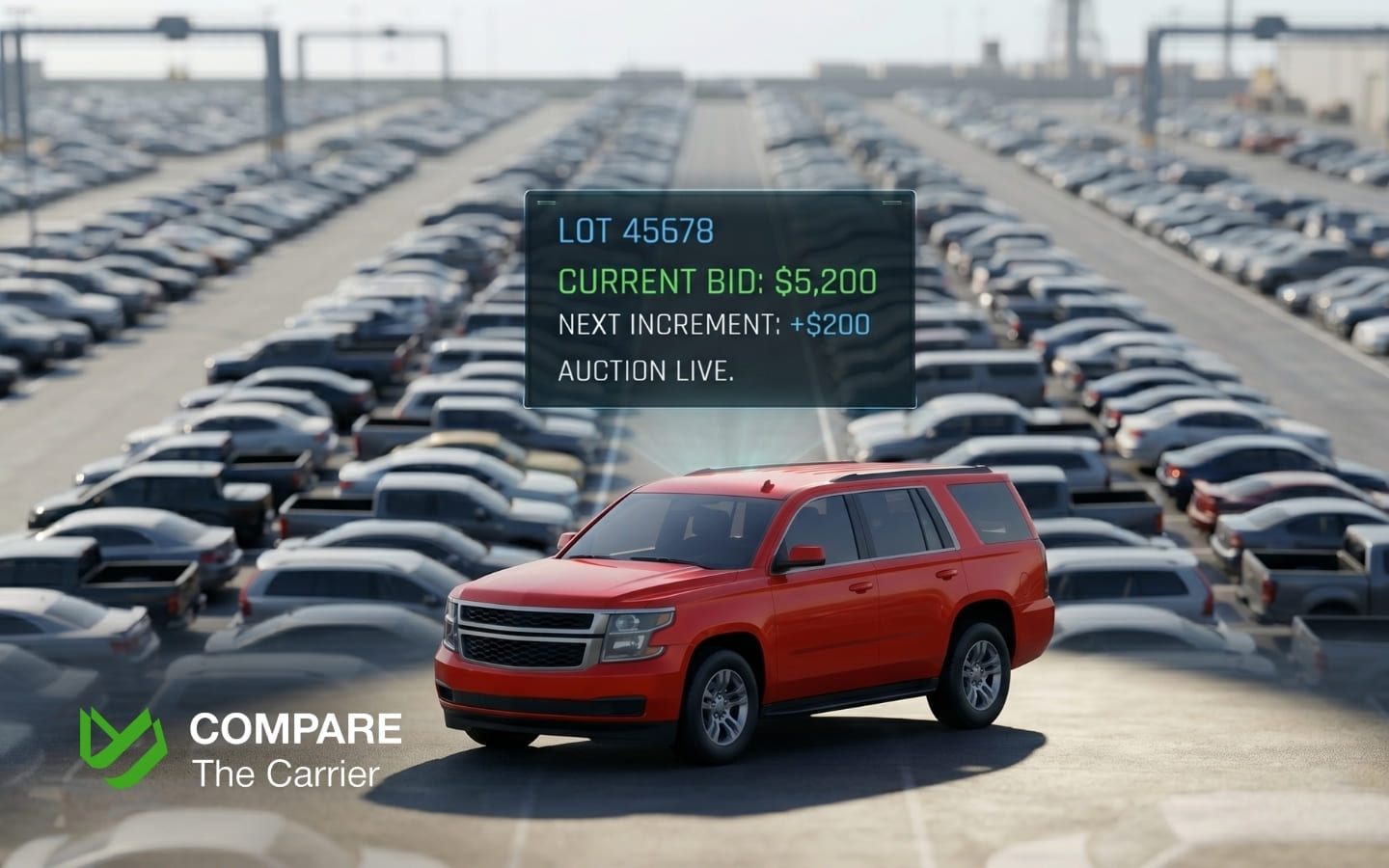
Navigating a Copart auction as a beginner can be intimidating. Without the right preparation, a “cheap” car can quickly turn into a financial nightmare filled with unexpected fees, title restrictions, and logistical headaches. This guide breaks down exactly how Copart works for a first-time buyer in 2026. We will cover everything from choosing the right membership and researching your first lot to navigating the bidding process and calculating the real total cost.
We will also show you exactly what to do the moment you win – to avoid brutal daily storage penalties.
Need logistics fast? If you’ve already won a bid and need to ship your car – jump straight to our how to ship a car from Copart guide to arrange pickup before the deadline. Want to see what your shipping cost might look like before you even bid? Use our Auto Transport Calculator to get an instant estimate based on your pickup and delivery locations.
Copart is the world’s largest online auto auction. While it is famous for selling salvaged and crashed vehicles, it also hosts a massive inventory of clean-title cars, repossessions, and fleet vehicles. The majority of this inventory comes directly from insurance companies, banks, and rental corporations looking to liquidate assets quickly.
The most important thing for a Copart first-time buyer to understand is vehicle eligibility. While anyone can sign up, not everyone can bid on every car.

If you are an individual buyer without a dealer license, you might encounter a vehicle you want that is locked behind a “Dealer Only” requirement. This is where a Copart broker comes in.
Brokers are licensed professionals who bid on your behalf. If you live in a state where the law requires a license to purchase a salvage title, or if the specific lot is restricted, you must use a broker. They typically charge a flat fee (often $200–$300) or a percentage of the final purchase price. If the lot is marked “No License Required” and your state allows it, you can skip the broker and bid directly.
Reddit Insight: A very common point of confusion for beginners on r/Copartonline is the difference between account types. Buying a “Premier” membership does not bypass state licensing laws. If a car requires a dealer license, you still need a broker – regardless of how much you paid for your Copart membership.
Before you can place a bid, you must set up your account and get verified. The process is straightforward, but it is not instantaneous.
Head to copart.com and click “Register.” You will need to upload a government-issued photo ID, such as a driver’s license or passport. If you are registering as a business, you will upload the owner’s ID along with your business licenses. Copart’s team manually reviews these documents, which usually takes 1 to 3 business days.
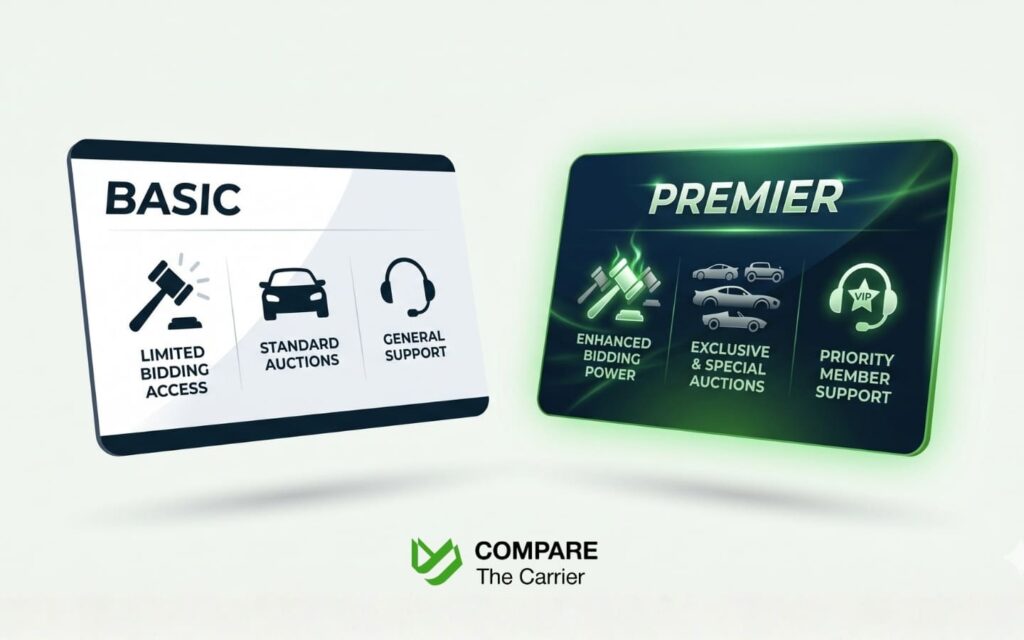
Next, you need to choose between the two main Copart membership types: Basic and Premier.
| Feature | Basic Membership | Premier Membership |
| Annual Fee (2026) | ~$109 | ~$249 |
| Bidding Limit | Tied to your deposit | Up to $100K daily |
| Deposit Requirement | 10% of max bid | Fully refundable $400 one-time deposit |
| Best For | Buying 1–2 cars a year | Frequent buyers or high-value vehicle bids |
If you are a Basic member, your bidding power is directly tied to your deposit. For example, if you want to bid up to $6,000 on a vehicle, you must deposit $600 (10%) upfront.
Practical Tip:
Upload your documents and pay your deposit well before you plan to bid. Document verification takes 1–3 business days. You cannot place any bids – even pre-bids – until your account is fully verified.
Once your account is active, you can start searching. You can filter Copart’s massive inventory by make, model, location, damage type, and title type. Because transporting a vehicle cross-country can be expensive, it is highly recommended to filter your search to Copart yards near your location.
To avoid costly mistakes, you must understand the terminology used on the platform.
| Term | What It Means for You |
| Run and Drive | The vehicle started, went into gear, and moved forward under its own power at the yard. It is not a guarantee of roadworthiness or safety. |
| Inoperable / Non-Runner | The vehicle does not start or move. When arranging shipping, you must tell the carrier; they will need a winch or forklift (adding $50–$150 to your shipping cost). |
| Salvage Title | An insurance company declared the car a total loss. Depending on your state, it may require a strict re-inspection before you can register it. |
| Clean Title | The car has no “total loss” insurance history. However, it still might have undisclosed mechanical issues. |
| Rebuilt Title | A former salvage vehicle that has been repaired and passed a state DMV inspection. |
| Copart Lot Number | The unique ID for the vehicle. You need this number to bid, pay, and generate a gate pass for pickup. |
| Est. Retail Value | The estimated value of the car if it had no damage. Use this as a loose baseline, not a hard fact. |
Copart strongly encourages buyers to inspect vehicles before bidding. Photos can easily hide structural frame damage, deployed airbags that were stuffed back in, or severe flood damage.
You can visit the yard in person Monday through Friday, between 8:00 AM and 5:00 PM. Basic and Premier Members can preview vehicles for free, while Guest Members must pay a $25 fee per visit. During a preview, you can look under the hood, take your own photos, and ask yard staff for basic assistance. However, you cannot test drive the vehicle, use diagnostic tools, or attempt to start it yourself.
If the vehicle is out of state and you cannot visit, you should hire a third-party inspection service. Copart lists authorized inspectors on their site who will go to the yard and provide a detailed report for a small fee.
Warning:
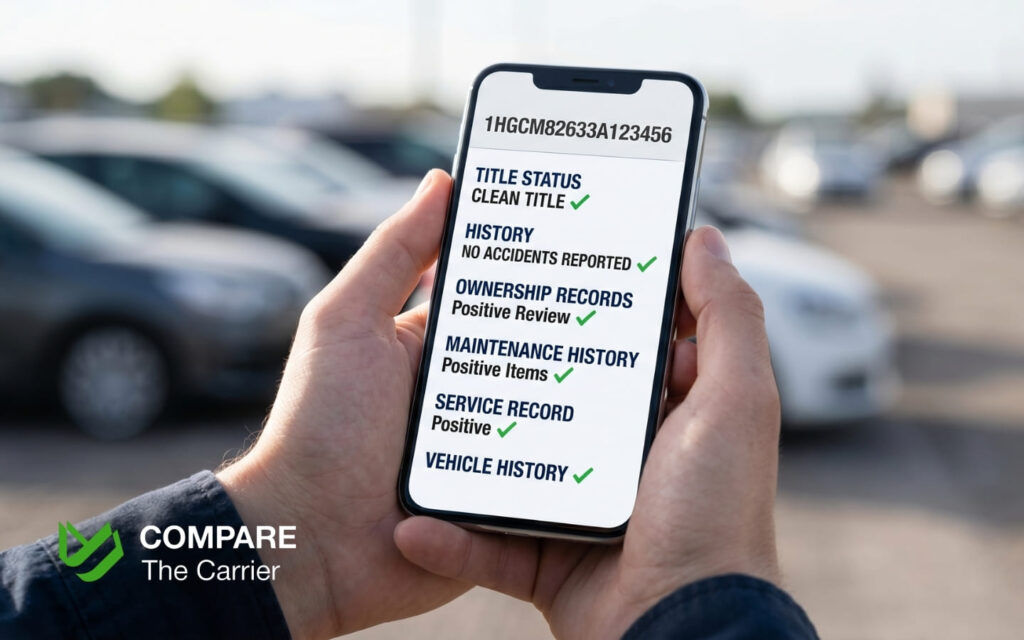
Never bid on a vehicle you haven’t researched. Always run the VIN through a vehicle history service like Carfax, AutoCheck, or VINData. These reports can reveal past accidents, odometer rollbacks, and the true history behind a salvage title.
If there is one section of this guide you memorize, make it this one. The internet is full of frustrated posts from first-time buyers asking, “I won the bid for $3,000, but my invoice says $4,500 – what happened?!”
When calculating your budget, you must understand that the “hammer price” (your winning bid) is only the starting point. Copart is a business, and they apply a series of surcharges to every transaction.
Transportation costs vary widely depending on distance, vehicle condition, and carrier availability. To compare rates from FMCSA-licensed companies before you bid, visit our Car Shipping Services page or run the numbers instantly with our Auto Transport Calculator.
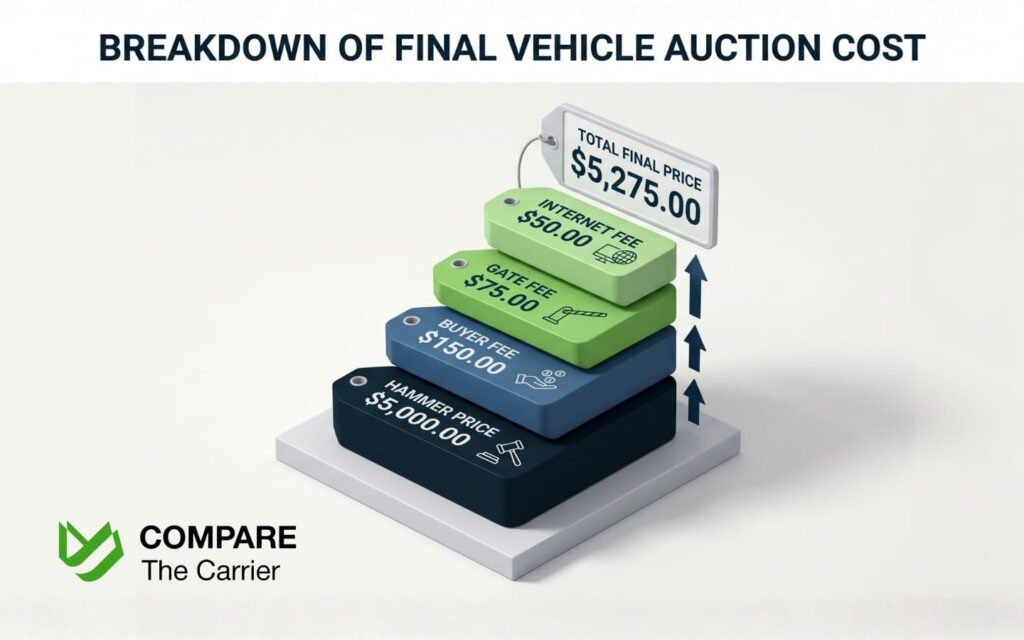
Let’s look at a practical example. Imagine you win a 2019 Honda Civic with a final bid of $2,500.
| Expense Category | Estimated Cost |
| Winning Bid | $2,500 |
| Buyer’s Fee | ~$400 |
| Internet Bid Fee | $99 |
| Gate Fee | $79 |
| Title Processing Fee | ~$65 |
| Total Paid to Copart | ~$3,143 |
| Transportation (Carrier) | $500 – $1,200 |
Practical Warning:
Your winning bid is NOT your final price. Always calculate the total cost before bidding. Copart fees typically add 15–25% on top of the hammer price, and shipping can add hundreds more on top of that.
Once you have set your budget and calculated your fees, it’s time to bid. Copart offers three distinct ways to purchase a vehicle.
You can place a maximum bid on a vehicle days before the live auction actually starts. Copart’s automated system will incrementally increase your bid against other pre-bidders up to your absolute maximum.
The Catch: If your pre-bid maximum is $4,000, and a live online bidder also bids $4,000 during the actual auction, the live bidder wins the tiebreaker.
This is the real-time event. Vehicles cycle through quickly, and you will compete against buyers from all over the world. The auction usually lasts only a few minutes per car, and the final 60 seconds are incredibly fast-paced.
The Strategy: Establish your absolute maximum price before the auction starts. When the bidding crosses that number, close your laptop. Bidding emotionally in the final seconds is how people drastically overpay.
If you want to skip the auction stress entirely, look for lots with a “Buy It Now” button. The seller has set a firm price. If you agree to it, you instantly win the car. Note that the tight pickup window (3 business days) still applies to Buy It Now vehicles.

Sometimes, your winning bid might not meet the seller’s hidden minimum reserve price. When this happens, the seller can issue a “Counter Offer” through the Copart portal. You have the option to accept their higher price, decline it, or keep your original bid active. Sellers will sometimes accept your original bid even if you declined their counteroffer, so stand your ground if you’ve reached your budget limit.
Reddit Insight: Many beginners treat Copart like eBay, thinking they can easily back out if they change their mind. On Copart, a bid is a legally binding commitment. If you win and refuse to pay, you will forfeit your deposit, incur relisting fees, and risk permanent account suspension.
The auction screen flashes “SOLD.” Congratulations! Now, the clock starts ticking loudly. You need to act immediately to avoid penalties.
Copart operates on a strict timeline: you have exactly 3 calendar days (including the day of the sale) to pay your invoice in full. Day 1 is the day you won. If you win on a Friday, Sunday is Day 3. If Copart does not receive your funds by Day 4, you are hit with a $50 late fee.
How to Pay: You cannot simply type your credit card number in to buy a car. Credit cards are only accepted for membership fees and deposits. To pay for your vehicle, you must use a Bank Wire Transfer or an ACH payment. Once you initiate the wire, you must immediately email the wire confirmation receipt to buyer.ar@copart.com to ensure the funds are credited to your specific lot.

Before any transportation carrier can legally remove the vehicle from the Copart yard on your behalf, you must authorize them. You do this by signing a Power of Attorney (POA) document provided by Copart.
Once your car is fully paid for and your POA is approved, you are finally ready to arrange transportation. For a complete breakdown of what paperwork you’ll need before your carrier arrives, check our Vehicle Shipping Document Checklist.
Once the vehicle is paid for and your Power of Attorney is processed, the car is ready to leave the yard. However, Copart has strict liability and safety protocols regarding how a vehicle exits their property.
If you plan to pick the car up yourself, you need to understand that Copart yards are not traditional dealerships. You are not allowed to walk into the loading zone, hook up a trailer yourself, or drive the car off the property. Copart staff will use heavy machinery to bring your vehicle from its resting spot to a designated staging area at the front of the yard.
Remember: You cannot drive the vehicle away from the yard under any circumstances – even if it runs perfectly and has a clean title. It must be transported on a trailer.
The clock on your Copart storage fees is unforgiving. For standard auctions, you have exactly 3 calendar days (including the day of sale) to remove the car. If you purchased a “Buy It Now” vehicle, you have 3 business days.
Copart yards generally operate Monday through Friday from 8:00 AM to 5:00 PM. However, the loading cutoff is usually at 4:30 PM. To get through the gates, the driver must present a digital Gate Pass – generated through the Copart Transporter App using your specific Buyer Number and the Lot Number. Without that Gate Pass, the carrier will be denied entry.
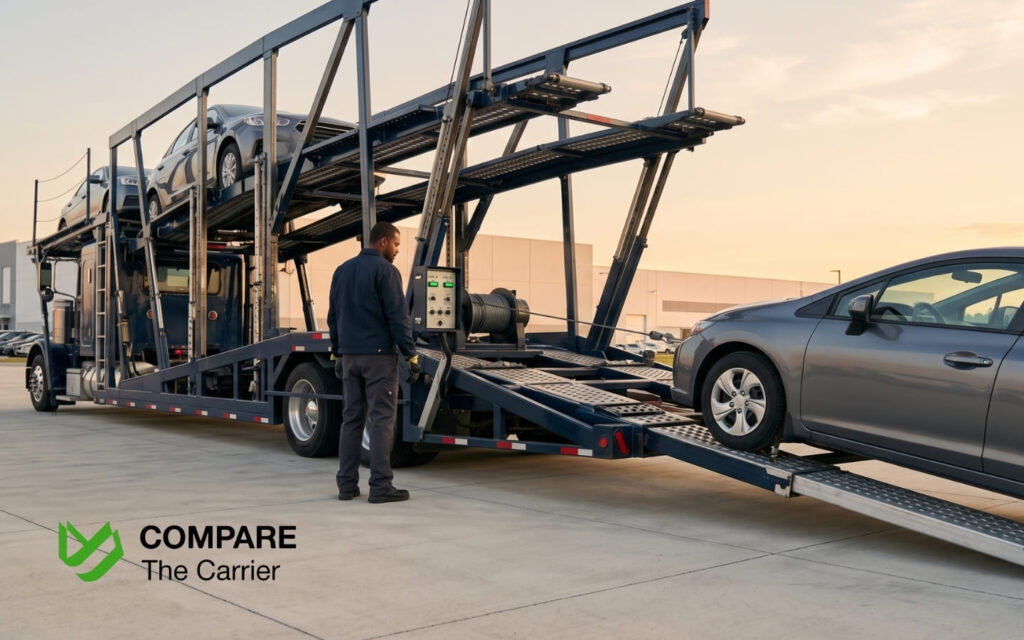
Planning to ship your Copart vehicle instead of picking it up yourself? Get an instant quote with our Auto Transport Calculator, or browse our Car Shipping Services to compare licensed carriers experienced with Copart pickups. The logistics of Copart auto shipping are very specific – wrong carriers, missed deadlines, or missing documents can cost you hundreds in storage fees.Read our full guide: How to Ship a Car from Copart.
Buying at an auction is a learning curve. Avoid the most common financial traps that catch first-time buyers off guard:
Reddit Insight: A very common first-time experience shared on forums goes like this: “I won the auction and then realized I had no idea how to get the car home.” Line up your transport plan and check carrier availability before you place your first bid.
Copart gives you a real opportunity to find a quality vehicle at a fraction of the dealership price, provided you are thoroughly prepared. By understanding the membership tiers, researching vehicle histories, accurately calculating the true total cost, and respecting the strict payment deadlines, you can successfully navigate the auction block like a seasoned buyer.
Don’t let the logistics of the yard intimidate you. Plan your budget, set a firm maximum bid, and line up your transportation before the auction – not after. The entire process becomes straightforward once you know what to expect at each step.
Already won your first Copart auction? The next step is arranging transport – and it needs to happen fast to avoid steep daily storage fees. Get instant quotes from FMCSA-licensed carriers experienced with Copart pickups:
Calculate Your Copart Shipping Cost
Yes. Most Copart vehicles are listed as “No License Required” and are available to any registered Basic or Premier Member. Some vehicles – especially salvage titles in certain states – require a dealer license or a licensed broker to complete the purchase.
Copart offers Basic and Premier membership tiers, both requiring an annual fee. Documents must be uploaded and verified before you can bid. The exact fees are listed on copart.com and vary slightly based on your membership level and location.
Often, yes – Copart vehicles typically sell well below retail value since most come from insurance total losses, repossessions, or fleet liquidations. However, you must factor in buyer’s fees, internet fees, gate fees, title processing, and transportation costs before comparing the final price to a dealership sticker price. After all fees, savings of 20–40% off market value are common, but the math only works if you skip costly repair surprises.
On the 4th calendar day after the sale, Copart charges a $50 late payment fee. Continued non-payment can result in additional penalties, relisting fees, loss of your deposit, and permanent account suspension. Always be financially prepared before placing any bids.
No. All vehicles must be transported via trailer – even if the car runs and drives flawlessly. This is a firm Copart policy across all locations due to liability and safety concerns.
A salvage title means an insurance company declared the vehicle a total loss due to damage or theft. Registration rules vary by state – most require a full repair and state-certified inspection before the car can receive a “Rebuilt” title and be legally registered for the road.
Title processing time varies by state – typically ranging from 2 to 8 weeks. Some states, like Georgia, may take 4 to 8 weeks and charge an additional DMV fee. Your broker or Copart will mail the physical title to the address you have on file once the car is picked up.
You’ll need to hire a third-party auto transport carrier. Provide them with your Buyer Number and Lot Number. The carrier will use the Copart Transporter App to schedule the pickup and generate a Gate Pass. Use our Auto Transport Calculator to get an instant cost estimate, or visit our Car Shipping Services page to compare carriers.








Don't have time to fill out the form?
Call a transport company directly to get a quote now!
Select the category you need
Partner with Compare The Carrier & Grow!
We're open to collaborations, partnerships, and mutual growth! Whether you're an individual or a business, we offer exciting opportunities to work together. Fill out the form below to explore how we can collaborate.
Something Went Wrong
We're sorry, but something went wrong. Please briefly describe the problem you experienced in the text area below. Providing your contact information will allow us to follow up if needed.

Thank you,
your form has been accepted.
Your form has been successfully submitted. We appreciate your effort — our team will review it shortly and take the next steps.


