4 Proven Tactics to Optimize Auto Transport Lead Cost
To optimize auto transport lead cost in 2026, brokers mus...
15 November 2024
Long-haul trucking is relentlessly demanding. Beyond the endless hours behind the wheel, over-the-road (OTR) drivers constantly battle tight delivery windows, unpredictable weather, and strict Hours of Service (HOS) regulations. While upgrading cab comfort is a great start, it’s only one piece of the puzzle.
Contact Us Now
To truly maximize efficiency and safety in today’s freight market, drivers and carriers need a proactive approach to logistics. We’ve put together actionable steps to streamline your OTR operations from advanced route optimization and smart tech integration to keeping your rig (and yourself) in peak condition.
In the world of trucking, efficiency isn’t just about saving time it’s about staying safe. Poor planning can lead to rushed deliveries, skipped rest breaks, and increased stress, all of which compromise safety. By streamlining your operations and prioritizing smart logistics, you can reduce risks and improve your overall experience on the road.
For example, using vehicle shipping leads from Compare The Carrier helps carriers and drivers connect with reliable, professional shipping customers ensuring you’re working with reputable partners who take compliance and safety as seriously as you do.
Efficient route planning is the backbone of a successful haul. It minimizes fuel costs, reduces wear and tear on your truck, and ensures timely deliveries. Modern approaches often lean on transformative AI techniques in logistics to analyze real-time data.
Here’s how to make the most of your routes:
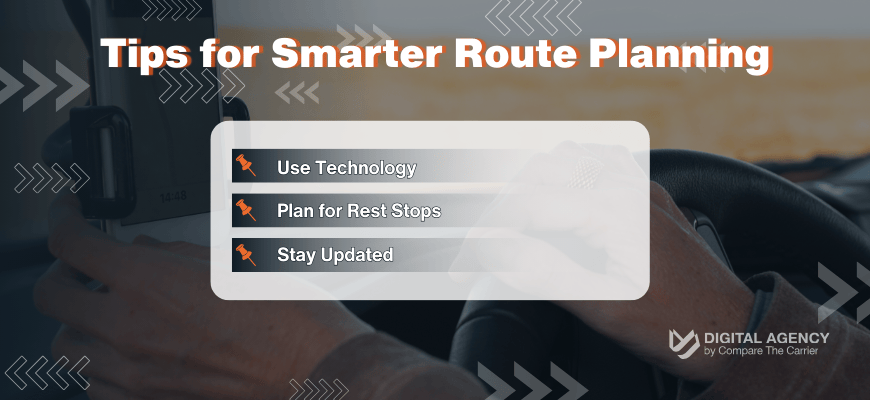
By planning ahead, you can reduce stress and focus on what matters most getting to your destination safely.
Your truck is your livelihood, and keeping it in top condition is essential for both safety and efficiency. Regular maintenance can prevent breakdowns, improve fuel efficiency, and extend the life of your vehicle.
A well-maintained truck not only performs better but also keeps you safe on the road.
Long hours behind the wheel can take a toll on your physical and mental health. Staying fit and alert is crucial for maintaining your performance and safety.
While physical health is important, don’t overlook the value of quality rest. A comfortable semi-truck sleeper can make a world of difference in how you feel after a long day on the road.
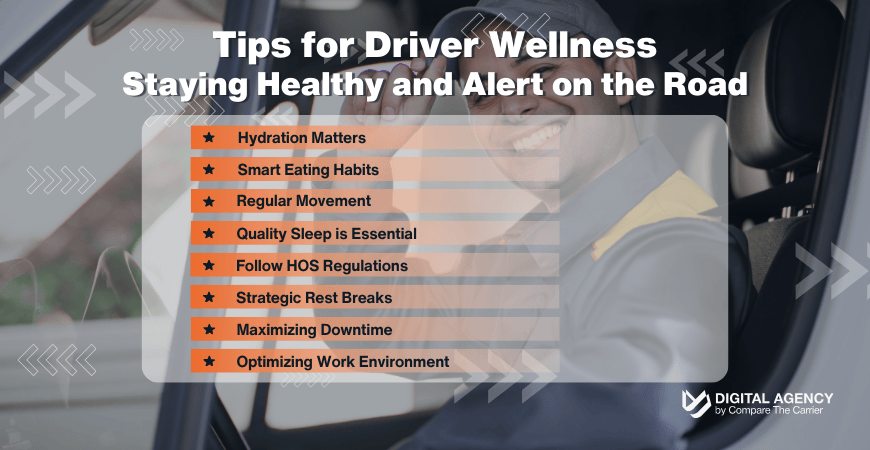
Compliance with Hours of Service (HOS) regulations is non-negotiable. Properly timed rest breaks not only keep you compliant but also help prevent fatigue-related accidents.
The logistics industry is constantly evolving, and technology is playing an increasingly important role. From load boards, custom apps, to route optimization tools, there are countless resources available to help drivers work smarter, not harder.
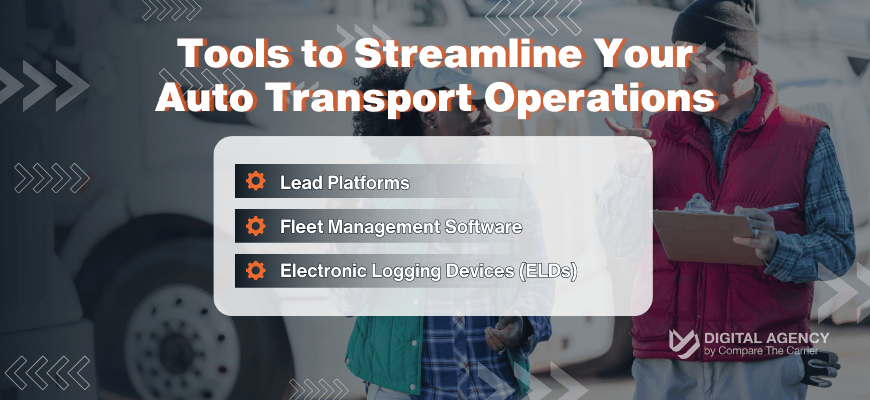
By embracing these tools, you can save time, reduce stress, and focus on what you do best driving.
Trucking is a cornerstone of American commerce, delivering goods that keep the country moving. For drivers, that means racking up thousands of miles each month that must be managed with precision, care, and professionalism. By focusing on smart logistics, rigorous maintenance, and personal well-being, you set the stage for safer hauls and more satisfied customers.
If you run a carrier business and struggle with high turnover, optimizing your recruitment strategy through dedicated truck drivers hiring services ensures you always have reliable professionals behind the wheel.
With Compare The Carrier, you gain a trusted ally in this journey. Whether you’re seeking credible vehicle shipping leads or looking to expand your capabilities with marketing and development solutions, the platform’s expertise and commitment to professionalism stand ready to guide you.
Here’s to smoother roads, safer hauls, and steady growth mile after mile.
Maintaining truck driver safety requires a mix of traditional protocols and modern tech. Drivers must perform daily pre-trip and post-trip inspections, focusing on tire pressure, brake wear, and fluid levels. Today, pairing visual checks with real-time telematics data and predictive maintenance alerts helps identify mechanical failures before they happen, significantly reducing highway accidents and equipment downtime.
Long-haul drivers protect their health by prioritizing hydration, nutrient-dense meal prep, and consistent sleep schedules. Using ergonomic seating and high-quality cab mattresses directly reduces musculoskeletal strain. In 2026, many professionals will also rely on wearable health monitors to track sitting time, heart rate, and sleep quality, ensuring they take active breaks to stretch during mandatory rest periods.
Technology streamlines logistics by optimizing route planning, fuel consumption, and compliance. Carriers now heavily utilize AI-driven fleet management software and automated Electronic Logging Devices (ELDs) to adjust routes based on real-time traffic and weather data. These systems eliminate manual paperwork, predict delivery bottlenecks, and automatically manage Hours of Service (HOS) compliance, allowing drivers to focus entirely on safe navigation.
Vehicle shipping connects carriers directly with pre-vetted shippers, eliminating empty miles and reducing downtime. By utilizing digital load boards and algorithmic lead generation platforms, carriers secure profitable freight matching their exact current location and destination. This automated matching process increases overall fleet efficiency, guarantees consistent revenue streams, and minimizes the time dispatchers spend cold-calling potential customers.
high-paying direct shippers, and recruit qualified drivers. Utilizing targeted SEO, data-driven content, and precision ad campaigns increases online visibility. In the highly competitive 2026 freight market, a strong digital footprint builds trust, differentiates brokerages from competitors, and automates inbound lead generation, ultimately lowering overall customer acquisition costs.










Select the category you need
Partner with Compare The Carrier & Grow!
We're open to collaborations, partnerships, and mutual growth! Whether you're an individual or a business, we offer exciting opportunities to work together. Fill out the form below to explore how we can collaborate.
Something Went Wrong
We're sorry, but something went wrong. Please briefly describe the problem you experienced in the text area below. Providing your contact information will allow us to follow up if needed.

Thank you,
your form has been accepted.
Your form has been successfully submitted. We appreciate your effort — our team will review it shortly and take the next steps.