4 Ways to Make Shipping Lead Generation on a Budget
Struggling to find high-quality leads that convert into p...
10 October 2024
In 2026, the average cost per lead (CPL) for auto transport brokers climbed roughly 15%, squeezing margins tighter than a car carrier on a cross-country haul. But rising lead costs don’t have to control your bottom line. The brokers who win aren’t the ones chasing the cheapest leads – they’re the ones who understand exactly what drives their costs and optimize every dollar of spend.
Contact Us Now
This guide is the complete 2026 playbook for auto transport lead cost. You’ll learn:
Ready to transform your lead generation strategy? Let’s dive in.
Some auto transport leads cost more than a vintage Ferrari; others are priced like a used pickup. Understanding why is the first step to paying less. Four factors move the needle most.
Would you rather pay $50 for a lead who’s just kicking tires, or $100 for someone ready to book a cross-country move today? That’s the essence of lead quality. Three things separate a premium lead from a dud:
The proof:
A study by the Logistics Management Institute (LMI) found that high-quality leads convert to customers at a rate 3x higher than low-quality leads. Cheaper leads are rarely cheaper once you account for wasted sales hours.
Where you find leads shapes what they cost. Here’s how the main sources compare:
Did you know? A Transport Topics survey found that 42% of auto transport brokers name online advertising as their single biggest lead-generation expense – which is exactly why controlling ad efficiency matters so much.
The auto transport market is crowded, and competition directly inflates lead prices. The denser your market and the higher the seasonal demand (snowbirds heading south, summer moves), the more you’ll pay per lead. Niching down – classic cars, motorcycles, expedited or door-to-door service – helps you stand out and escape the most brutal bidding.
Lead costs move with the wider industry: fuel prices, economic conditions, and seasonal demand all feed into CPL. Staying current with publications like Transport Topics (ttnews.com) and the American Journal of Transportation (ajot.com) helps you anticipate cost swings and reallocate budget before they hit.
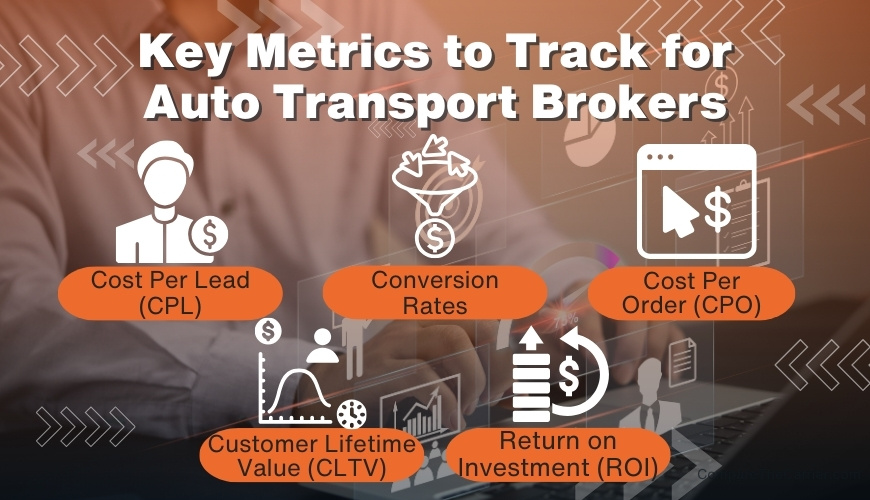
You can’t optimize what you don’t measure. These are the KPIs every auto transport broker should track – and the benchmarks to measure against.
The single most important shift here: stop optimizing for the lowest CPL and start optimizing for the lowest cost per booked order. When CPL drops but CPO rises, your lead quality is getting worse – not better.
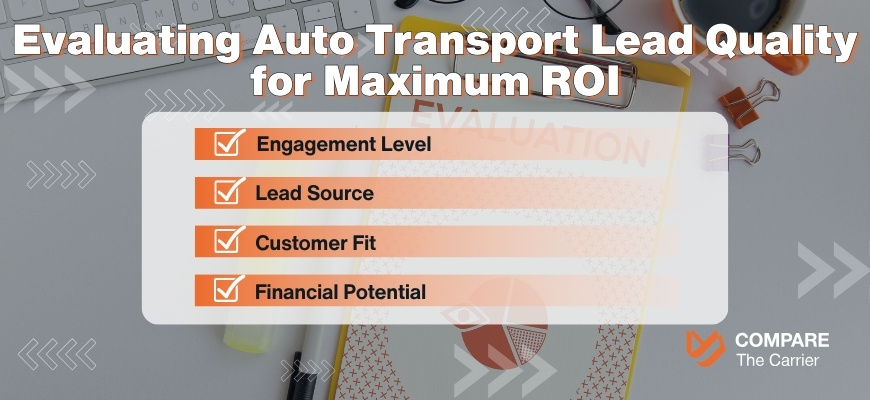
Here are some key factors to consider when evaluating auto transport lead value:
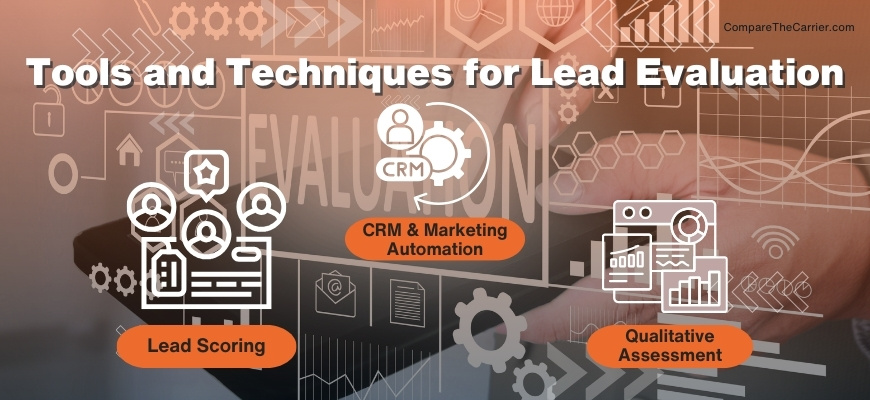
For choosing the tools that make this manageable at scale, see our review of the top auto transport CRMs.
Selling vegan burgers at a Texas barbecue is a bad strategy – and so is marketing to the wrong shippers. Build detailed customer profiles: what vehicles they ship, their pain points, their preferred channels. Then focus spend on high-margin segments like multi-vehicle dealer transfers or classic-car transport. Start with our guide to attracting your first logistics clients.
Relying on one channel leaves you exposed to algorithm changes and cost spikes. Apply the 80/20 rule: generate ~80% of leads from 2–3 proven sources and ~20% from experimental channels (dealer partnerships, repair shops, moving companies, niche communities). Regularly audit each source and reallocate budget away from anything with a stubbornly high CPL. If you’re weighing paid leads against long-term marketing, compare the trade-offs in buying leads vs. investing in marketing.
Guesswork destroys margins. Track Cost Per Acquisition (CPA) and CLTV across every channel, A/B test ad copy and landing pages, and set up conversion tracking everywhere so you know what actually books.
Here’s why this matters. Imagine two campaigns:
The “expensive” Google Ads lead is the more profitable one – higher conversion and lifetime value more than offset the higher CPL. This is the trap of optimizing for CPL alone. The catch: running Google Ads profitably at this level takes constant negative-keyword work, bid management, and conversion tracking – which is exactly what a specialist auto transport Google Ads team does day in and day out.
Stop throwing darts blindfolded. Go beyond age and location – target by interests (classic cars, luxury vehicles), behaviors (online car shopping, recent relocation), and life events (new job, retirement). Capture high-intent shippers organically with long-tail commercial SEO (like “enclosed auto transport for dealerships”), and use retargeting to win back visitors who didn’t convert the first time. A well-built site converts far better here; see our logistics website design principles.
Not every lead books on the spot. Deploy automated, value-driven email sequences to stay top-of-mind, add personalized follow-up to answer objections, and use content marketing to build trust and authority. Segment by engagement: send hot leads immediate quotes, and feed warm leads educational content until they’re ready. For more, see how to maximize ROI on your logistics leads.
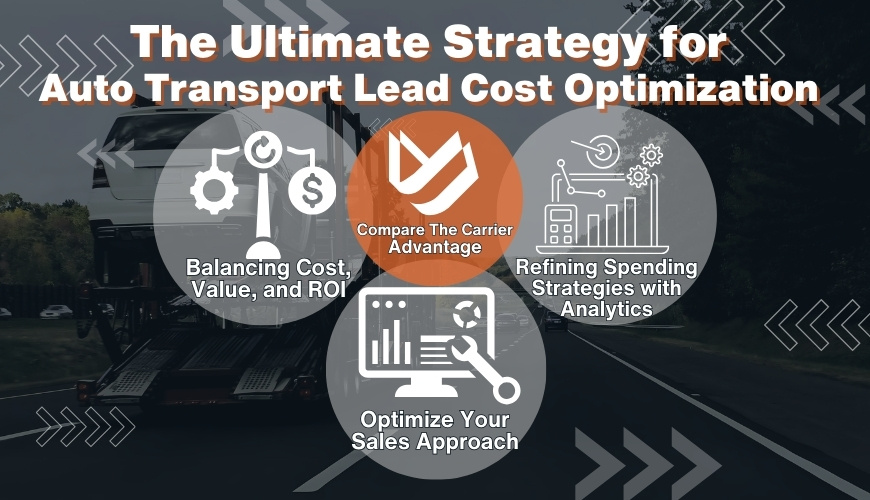
Most brokers eventually hit the same fork: keep buying leads, or build a pipeline that generates its own. The honest answer is that both have a place – they solve different problems.
The strongest brokers run both: buy leads for immediate volume while building an owned channel that steadily drives their blended CPL down.
Compare The Carrier is built to cut your lead acquisition cost from both sides:
In auto transport, managing lead acquisition cost isn’t a luxury – it’s survival. Understand the factors that drive prices, track the metrics that actually matter (especially cost per booked order, not just CPL), evaluate lead value before you pay, and apply disciplined acquisition strategies. Do that, and you stop being at the mercy of rising costs and start controlling them.
Whether you buy verified leads for immediate volume or build your own pipeline with managed Google Ads, the goal is the same: the right leads, at the lowest sustainable cost, converting into booked orders.
Buy Leads: Explore our selection of high-quality auto transport leads and start connecting with potential customers today.
Get a Free Consultation: Our team of experts can help you develop a customized lead acquisition strategy that aligns with your business goals.
The biggest mistake is prioritizing a low Cost Per Lead (CPL) over lead quality, which usually raises your Cost Per Order (CPO). Brokers also skip multi-touch attribution, so they can’t see which channels drive high-intent traffic, and they ignore intent data – wasting sales effort on leads that were never going to convert. A lower lead price that produces fewer bookings is more expensive, not less.
It depends on capacity and budget. Running Google Ads well for auto transport requires ongoing negative-keyword management, bid adjustments, and conversion tracking tied to booked orders – not just clicks. Brokers with time and expertise can run it in-house, but most see a lower cost per booked order by using dedicated auto transport PPC management, because specialists keep spend on commercial, high-intent searches and optimize toward orders rather than cheap leads.
A balanced strategy works best. Buying verified B2B leads delivers immediate pipeline volume and quick revenue. Investing in organic SEO, content, and owned paid channels builds long-term authority that lowers your average cost per lead over time. Most successful brokers do both.
Speed to lead is the top factor – contacting a prospect within five minutes can double booking probability. Automated SMS follow-ups and personalized video quotes lift engagement, and reducing friction on mobile forms can raise conversions by around 25%, since most 2026 shippers start their request on a smartphone.
You’re overpaying when your Cost Per Acquisition consistently exceeds your target profit margin. Warning signs include persistently low conversion rates, a high share of unverified contact info, or getting retail inquiries when your model depends on commercial volume.
Strong branding lowers Customer Acquisition Cost by driving more organic brand searches and direct traffic. A trusted reputation also improves Google Ads Quality Scores, which reduces cost per click, and increases referral volume – so you rely less on expensive third-party aggregators.
Run high-level performance checks weekly and deeper strategic audits monthly. That cadence lets you react to 2026’s volatile route pricing and seasonal demand shifts, reallocating spend from underperforming regions to high-converting lanes.
API-based CRM integration automates data capture and lead routing, eliminating manual-entry errors and response delays. It enables real-time ROI tracking by linking lead sources to closed orders, and supports automated lead scoring so sales prioritizes the highest-probability prospects.
Aged leads are highly cost-effective for long-term pipeline building – often about 80% cheaper than fresh leads. Immediate conversion is lower, but they’re ideal for automated email re-engagement, and since many owners ship multiple times a year, nurturing them captures repeat and “re-ship” business at a low acquisition cost.










Select the category you need
Partner with Compare The Carrier & Grow!
We're open to collaborations, partnerships, and mutual growth! Whether you're an individual or a business, we offer exciting opportunities to work together. Fill out the form below to explore how we can collaborate.
Something Went Wrong
We're sorry, but something went wrong. Please briefly describe the problem you experienced in the text area below. Providing your contact information will allow us to follow up if needed.

Thank you,
your form has been accepted.
Your form has been successfully submitted. We appreciate your effort — our team will review it shortly and take the next steps.