5 Worst Auto Transport Leads Providers You Should Avoid
Tired of bad leads costing you time and money? Discover t...
5 June 2024
In the increasingly crowded logistics market, lead volume is no longer the metric that defines success. For freight brokers and carriers, the real challenge has shifted from simply filling the pipeline to managing the cost of customer acquisition (CAC). If your sales team is spending 80% of their time chasing cold data that never converts, your “leads” aren’t an asset; they are a drain on your operational budget.
Contact Us Now
To stay profitable in 2026, you must pivot from broad lead generation to high-intent “live requests.” These are prospects actively seeking capacity or quotes in real-time, representing the shortest path to a booked load. Maximizing ROI isn’t just about closing more deals; it’s about a disciplined approach to identifying which leads are worth the effort and which are merely noise.
However, scaling your ROI on a budget requires more than just high-intent data; it demands a systematic way to measure performance. Without rigorous performance tracking & analytics, you are flying blind, unable to distinguish which marketing channels are driving profit and which are hemorrhaging cash.
This guide provides a comprehensive framework for transforming logistics leads into high-margin revenue. We’ll explore advanced qualification techniques, the shift toward automated nurturing, and the strategies required to turn real-time requests into long-term loyal clients.
To truly maximize profit in the logistics world, you have to look beyond the number of leads in your CRM. Success is built on understanding the mechanics of ROI and lead generation. This isn’t just about spreadsheets; it requires rigorous performance tracking & analytics to see exactly where your marketing dollars are delivering results and where they are being wasted.
Let’s break it down:

ROI (Return on Investment) is your primary yardstick. In the simplest terms, it’s the profit generated from your leads divided by the cost of acquiring them. If your ROI is low, your lead generation engine needs a tune-up. To fix this, you need a cohesive digital marketing strategy for logistics companies that prioritizes high-intent data over raw volume.
Not all leads are created equal. To protect your margins, you must distinguish between them:
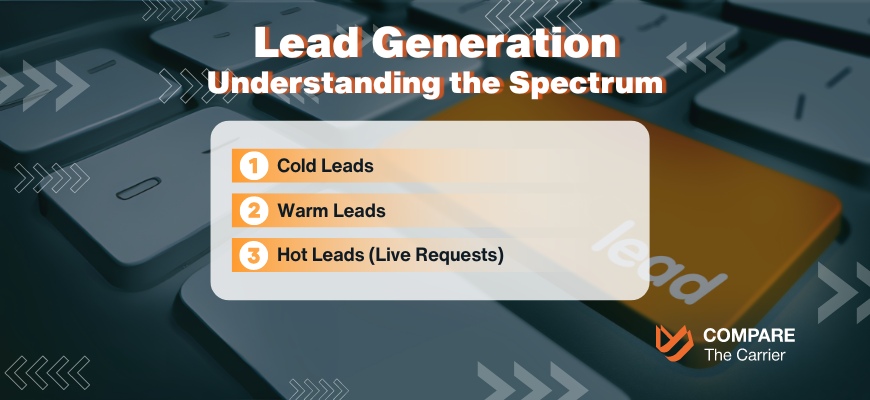
Not all leads are created equal. There’s a whole spectrum:
According to a study by the Harvard Business Review, companies that respond to leads within an hour are seven times more likely to qualify the lead than those that wait even an hour longer. This underscores the importance of capturing and acting on live requests in real-time.
By understanding the nuances of ROI and the different types of leads, you can develop targeted lead generation strategies that prioritize live requests and maximize your profits using leads.
But to truly maximize profit using leads(check out our article on Freight Lead Generation for Brokers), you need to understand the foundation of success: return on investment (ROI) and effective lead generation strategies.
Alright, now that we’ve got the basics down, let’s dive into the nitty-gritty of how to squeeze every last drop of profit out of those precious live requests.
After all, they’re the VIPs of the logistics leads world, and it’s time to roll out the red carpet.
This gives you a massive advantage over your competitors who are still chasing after lukewarm prospects. (For insights on competition in the auto transport industry, read our article on Worst Auto Transport Companies).
Live requests represent the shortest path to a booked load. Here is how you can optimize your operation to capture them:
By implementing these strategies, you can create a steady stream of high-quality live requests that will supercharge your ROI and fuel your business growth. Remember, in the world of logistics, time is money. Don’t let those valuable leads slip through the cracks.
In 2026, the standard “cold call” is no longer enough. To outperform the market, you need to adopt innovative techniques:
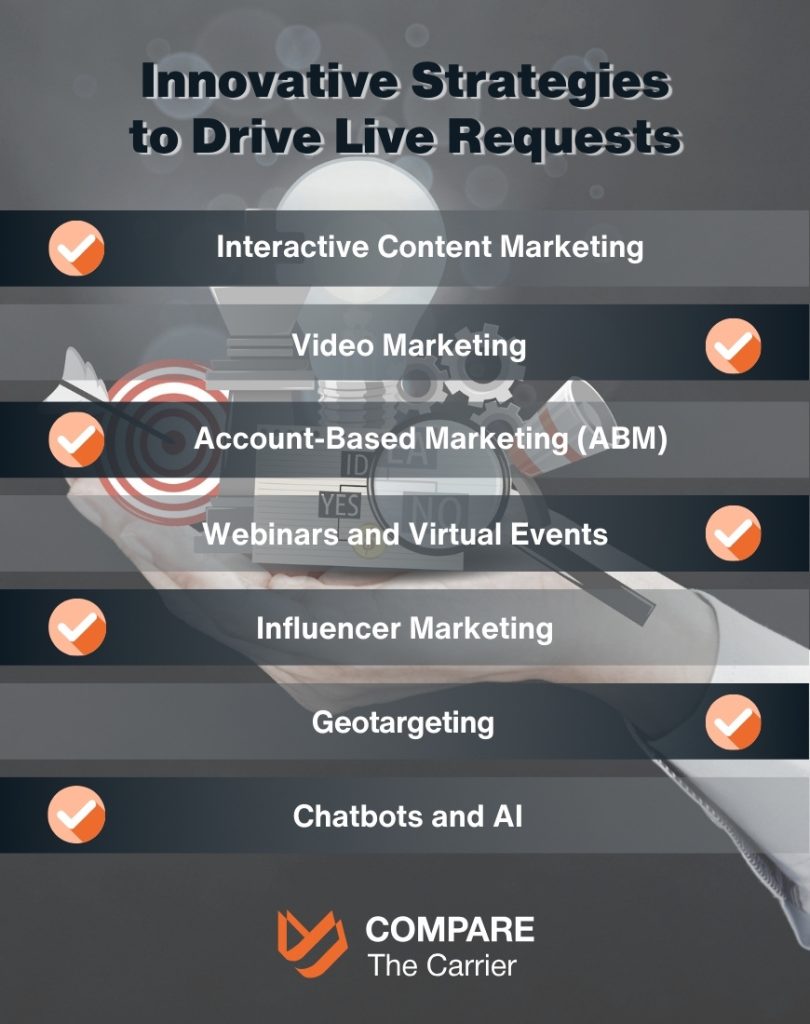
Here are a few innovative lead generation strategies that can help you stand out from the competition and reel in those live requests:
Remember, the key to successful lead generation is to experiment and find what works best for your business.
For further insights into leveraging digital marketing for lead generation, explore our article on “Logistics Marketing.”
Don’t be afraid to try new things, track your results, and adjust your strategies accordingly.
By staying ahead of the curve and embracing innovation, you can ensure that your lead generation strategies continue to deliver a high ROI in logistics.
Now, let’s talk about the real nitty-gritty: measuring your return on investment (ROI) for all those shiny new lead generation strategies you’re implementing. Don’t worry, you don’t need a Ph.D. in finance or a pricey software suite to get the job done. We’re all about keeping it simple and effective, especially when it comes to maximizing profit using leads.
You might be surprised to learn that you probably already have the tools you need to start tracking your ROI. Here are a few basic options:
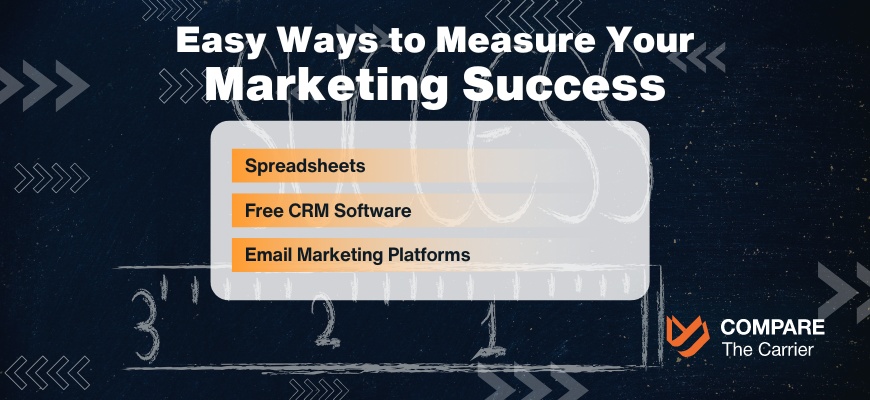
Once you’ve got your tracking tools in place, calculating ROI is a piece of cake. Here’s the basic formula:
ROI = (Net Profit – Cost of Investment) / Cost of Investment
Let’s break it down with an example:
You spent $500 on a Google Ads campaign that generated 10 logistics leads. Two of those leads converted into customers, each bringing in $2,000 in revenue.
This means you generated a 700% ROI on your Google Ads campaign. Not too shabby!
By consistently tracking and analyzing your ROI in logistics, you can identify which lead generation strategies are performing best, optimize your campaigns, and ultimately, maximize your profit.
Pro Tip: Don’t forget to factor in the time and resources you invest in lead generation. While this might be a bit trickier to quantify, it’s an important part of the equation.
Remember, measuring ROI isn’t about micromanaging every penny. It’s about gaining valuable insights into your marketing and sales efforts so you can make informed decisions that drive growth.
So ditch the fancy software and embrace the simplicity of spreadsheets, free CRM tools, and basic calculations. (For more advanced marketing insights, explore our article on Logistics Marketing).
You’ll be amazed at how much you can learn with a little bit of effort and a whole lot of data-driven decision-making.
In the wild west of lead generation, not all leads are created equal. Some are tumbleweeds, blowing in the wind with no real intention of settling down. Others are diamonds in the rough, just waiting to be polished into loyal customers. At Compare The Carrier, we’re all about finding those diamonds and delivering them straight to your doorstep.
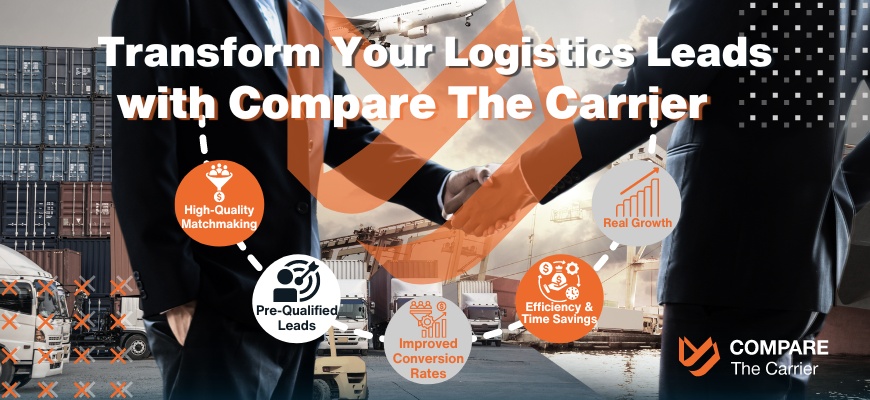
Our platform is like a matchmaking service for the logistics industry. We connect businesses like yours with customers who are actively seeking your specific services. But we don’t stop there. We go the extra mile to pre-qualify leads, ensuring they’re a good fit for your company in terms of budget, location, and service needs. This sets us apart from some of the worst auto transport leads providers who often deliver low-quality, unqualified leads.
This unique approach offers a double whammy of benefits:
With Compare The Carrier, you’re not just getting more logistics leads, you’re getting better leads. Leads that are more likely to convert into paying customers, boosting your ROI and driving your business growth.
In logistics, lead generation is a survival skill. Mastering it requires a balance of high-quality data and a disciplined sales process. If your team struggles to close these leads, consider investing in logistics sales training to improve their rebuttals and follow-up cadence.
Stop chasing tumbleweeds and start hunting diamonds. When you combine high-intent live requests with a data-driven strategy, you stop managing a cost center and start running a precision growth engine.
Industry benchmarks suggest allocating 5% to 10% of gross revenue to marketing, with the majority dedicated to lead generation. In the logistics sector, budgets are increasingly measured by Customer Acquisition Cost (CAC). A sustainable budget should allow for a diverse mix of organic SEO and high-intent paid search to balance short-term wins with long-term pipeline stability.
Lead quality is measured by alignment with a company’s Ideal Customer Profile (ICP). High-quality logistics leads possess clear intent data, such as specific lane requirements, shipment volume, and decision-making authority. Implementing a lead scoring model helps sales teams prioritize “live requests” prospects actively seeking capacity ensuring resources are focused on accounts with the highest conversion probability.
The “speed to lead” is critical for maximizing ROI. Research indicates that responding to a logistics lead within five minutes increases the likelihood of qualification by nearly 900% compared to a one-hour delay. Automated CRM notifications and instant SMS routing are essential tools to ensure sales representatives engage high-intent prospects before they book with a competitor.
Yes. Logistics companies can track ROI using basic CRM tools or manual spreadsheets by monitoring three core metrics: lead source, total acquisition cost, and lifetime value (LTV). By calculating the ratio of gross profit to marketing spend for each channel, brokerages can identify high-performing sources and reallocate budgets without the need for enterprise-level analytics suites.
To improve lead quality without increasing spend, brokerages should focus on niche SEO and long-tail keywords rather than broad industry terms. Targeting specific equipment types or underserved geographic lanes attracts prospects with immediate, specialized needs. Additionally, refining lead capture forms to include qualification questions helps filter out low-intent inquiries before they reach the sales floor.
Specialized lead providers offer access to pre-qualified, high-intent data that is difficult to generate through generic marketing. By delivering “live requests” from shippers actively searching for capacity, these platforms significantly reduce the sales cycle and lower the overall cost of customer acquisition. This allow brokerages to scale their pipeline quickly without the overhead of an internal marketing department.
A hybrid approach is the most effective strategy for 2026. Inbound marketing, such as SEO and content, builds long-term authority and attracts high-intent organic traffic. Outbound strategies, including targeted social selling and direct outreach, allow brokerages to proactively secure high-value enterprise accounts. Combining both ensures a steady flow of immediate “live requests” while building a sustainable long-term brand presence.









Select the category you need
Partner with Compare The Carrier & Grow!
We're open to collaborations, partnerships, and mutual growth! Whether you're an individual or a business, we offer exciting opportunities to work together. Fill out the form below to explore how we can collaborate.
Something Went Wrong
We're sorry, but something went wrong. Please briefly describe the problem you experienced in the text area below. Providing your contact information will allow us to follow up if needed.

Thank you,
your form has been accepted.
Your form has been successfully submitted. We appreciate your effort — our team will review it shortly and take the next steps.