2026's Top Online Marketing Strategies for Logistics
The most effective online marketing strategies for logist...
20 August 2024
Your shipping business deserves a website that’s as smooth as your logistics. Get ready to transform your online presence with WordPress web design solutions.
Contact Us Now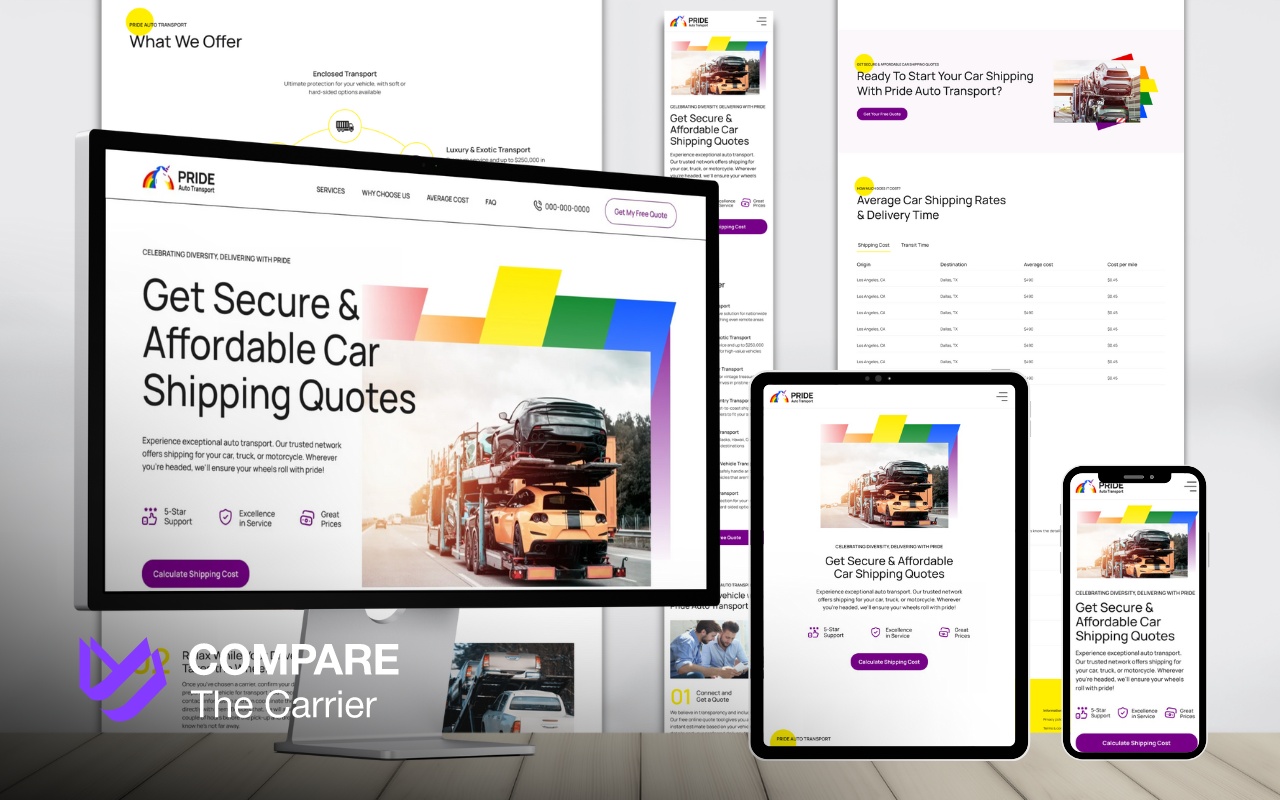
A website is more than just a digital storefront for shipping companies it’s the backbone of smooth operations and an exceptional customer experience. In the shipping and logistics industry, where timely deliveries and clear communication are non-negotiable, your website must work as hard as you do. This is where WordPress Web Design shines.
WordPress, the powerhouse of web development, offers shipping companies the flexibility and features they need to create functional, user-friendly websites. Whether you need to add custom booking forms, real-time tracking, or integrate a full customer management system, WordPress has solutions that can handle it all. With over 40% of the world’s websites built on WordPress, it’s a platform that’s proven itself, even in the fast-moving logistics industry.
In this article, we’ll dive into the best WordPress website design services for shipping businesses. From choosing the right themes and plugins to expert tips on creating a user-friendly site, we’ll cover everything you need to know about how to design a website with WordPress that can handle the demands of the shipping industry. And for those who need a bit more help, Compare The Carrier Digital Agency is here to guide you through expert website and systems development tailored specifically to your operational needs.
Just like choosing the right vessel for a specific cargo, selecting the right WordPress theme and plugins is crucial for the success of your shipping business website. Let’s navigate through the options to ensure smooth sailing.
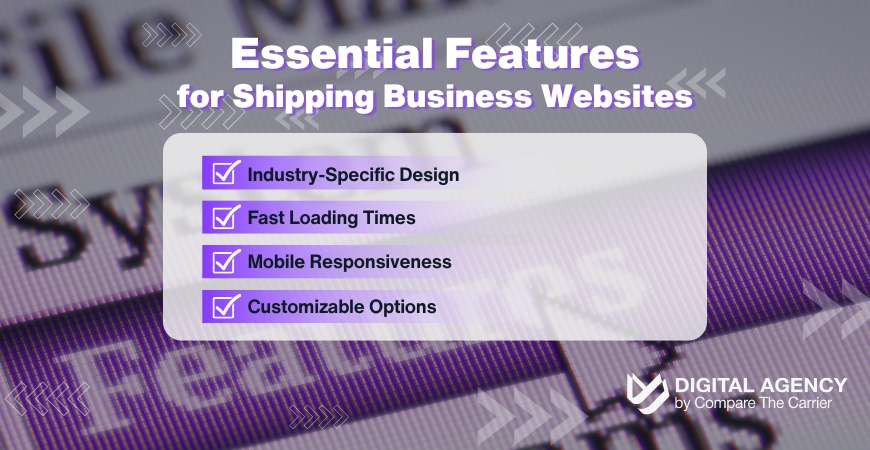
The WordPress theme sets the visual tone and overall structure of your website. For shipping businesses, look for themes that offer:
Remember, the best theme for your business will depend on your specific needs and preferences. Take the time to explore different options and demos before making your final decision.
Following proven logistics website design principles ensures your site is not only visually appealing but also functional and efficient.
Plugins are the backbone of WordPress web development, allowing you to add powerful features to your site without any coding expertise. When building a shipping business website, these plugins can dramatically improve both your operational efficiency and customer experience.
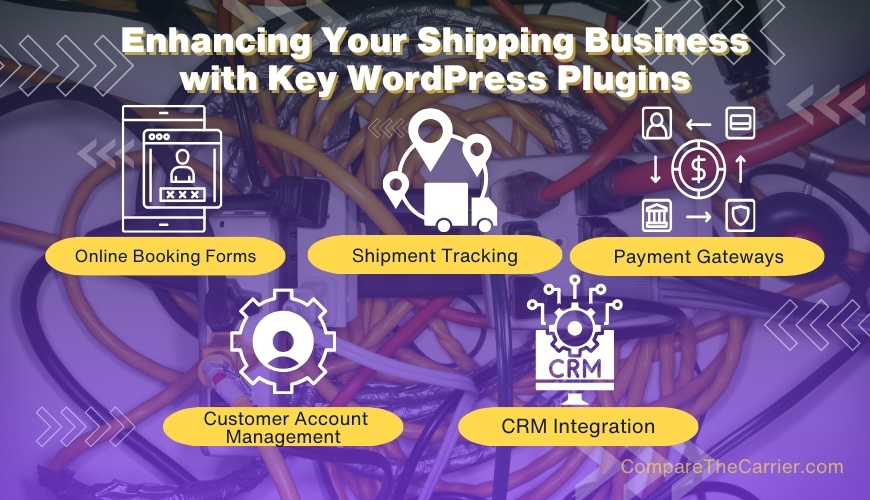
Here are the essential plugins every shipping business should consider:
The power of AI in logistics is transforming how businesses operate, making processes smarter and more efficient. Read how AI is impacting the logistics industry to understand why it’s becoming a crucial part of modern logistics.
By carefully selecting the right combination of themes and plugins, you can create a WordPress website that not only looks great but also functions as a powerful tool for your shipping business. If you need expert guidance in navigating the world of WordPress web design and development, Compare The Carrier’s Digital Agency is ready to assist you in creating a custom WordPress website that perfectly aligns with your business objectives and brand identity.
Remember, a well-designed website is an investment in your business’s future. By leveraging the power of WordPress, you can create a digital presence that attracts customers, streamlines operations, and sets your shipping business on a course for continued growth and success.
Creating a functional and visually appealing website is crucial for any shipping business looking to enhance customer satisfaction and streamline operations. WordPress web design offers the flexibility and tools you need to build a site that not only looks good but also delivers a seamless experience for your users. Here are some practical tips to help you get started with custom WordPress website design that will improve engagement and operational efficiency.
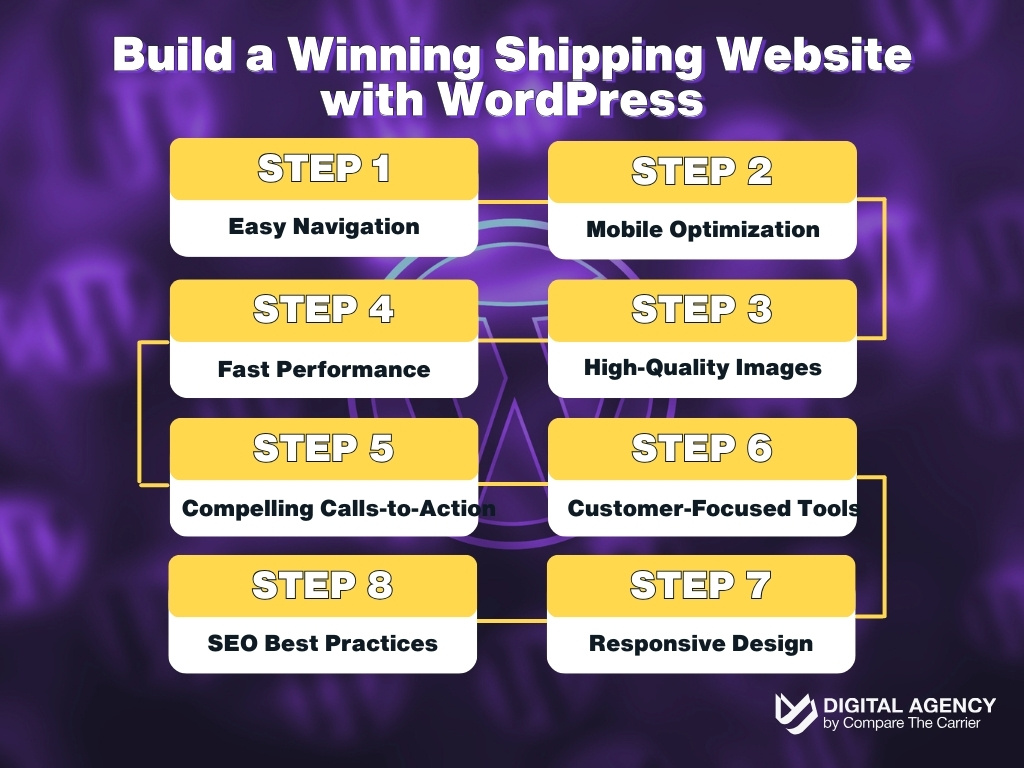
By keeping these tips in mind, you’ll create a website that not only looks great but also functions effectively for your shipping business. A thoughtful WordPress web design improves both user experience and operational efficiency, setting your business up for long-term success. To complete the puzzle, read about improving your logistics marketing strategy.

Seeing WordPress in action is often the most convincing way to understand its potential. Let’s take a look at a few real-world examples of vehicle shipping companies leveraging WordPress web design to create effective online presences.
Key Features:
Why It Works: Montway’s website effectively combines aesthetics with functionality. The clear calls to action, informative content, and focus on customer trust make it a prime example of a successful WordPress website in the vehicle shipping industry.
Key Features:
Why It Works: uShip leverages WordPress’ flexibility to create a dynamic marketplace. The website’s focus on connecting shippers and carriers, along with its intuitive design, has made it a popular choice for those seeking vehicle shipping solutions.
Key Features:
Why it Works: Ship a Car Direct’s website prioritizes user convenience with instant quotes and easy access to information. The interactive map and testimonials add a layer of transparency and trust.
These examples demonstrate how WordPress can be adapted to meet the unique needs of vehicle shipping businesses. From showcasing services and facilitating bookings to creating dynamic marketplaces and fostering customer trust, WordPress provides the tools and flexibility to build a website that drives success.
Optimizing your logistics sales pipeline is crucial to business success. Explore common challenges and solutions to improve conversions.

Building a successful website for your shipping business doesn’t have to be complicated. With the flexibility and power of WordPress web design, you can create a custom site that meets your operational needs while delivering an exceptional user experience. Whether you’re looking to integrate online booking forms, shipment tracking, or customer dashboards, WordPress web development offers the tools to streamline your processes and enhance customer satisfaction.
By selecting the right theme, incorporating essential plugins, and following user-friendly design principles, your WordPress website will streamline operations, enhance customer engagement, and drive growth. It’s a powerful tool to set your shipping business on a course for success.
For more information on maximizing the ROI of your website and digital efforts, take a look at How to Maximize ROI on Your Logistics Leads.
Need a seasoned crew to guide you?
Compare The Carrier’s Digital Agency specializes in custom WordPress website design, tailored to the shipping industry. We’ll craft a website that showcases your services and delivers an exceptional user experience, helping you attract more customers and achieve your goals. Or check out our guide on the top digital agencies for the logistics industry to boost your business.
Hoist the sails and set a course for digital success. With WordPress as your compass, smooth sailing awaits your shipping business in the vast online ocean.
For more tips on boosting your digital presence, download our free logistics marketing guide to enhance your marketing strategies.
WordPress dominates the logistics sector because of its open-source architecture and robust REST API, allowing seamless integration with modern Transportation Management Systems (TMS). It supports custom post types for fleet management and handles complex plugin ecosystems for real-time freight tracking, document portals, and automated quote generation without requiring enterprise-level software budgets.
Select a block-based, Full Site Editing (FSE) theme optimized for Google’s Core Web Vitals. Prioritize lightweight frameworks that offer native WooCommerce compatibility and responsive layouts for mobile dispatching. Avoid bloated, multi-purpose themes; instead, look for logistics-focused templates that support structured data schema for local transportation services and fast LCP times.
Essential plugins for logistics websites fall into four categories: API-driven shipment tracking (like Advanced Shipment Tracking), robust form builders for complex freight quoting (Gravity Forms or WSForm), caching for speed optimization (LiteSpeed or WP Rocket), and advanced security (Wordfence). Additionally, a dedicated CRM plugin is crucial for managing B2B shipping contracts.
Yes, modern WordPress relies heavily on the native Gutenberg block editor and visual page builders like Elementor or Bricks, requiring zero coding. You can visually construct quote forms, service pages, and tracking portals. However, integrating third-party logistics APIs, such as EDI or direct LTL carrier rates, usually requires professional developer assistance.
Achieving fast load times requires a multi-layered approach. Start with premium managed WordPress hosting and a lightweight theme. Implement server-level caching, use a Content Delivery Network (CDN) like Cloudflare, and compress all fleet and facility images into next-gen formats like AVIF or WebP. Finally, minimize third-party tracking scripts that cause render-blocking.
Absolutely. WordPress powers highly trafficked enterprise sites when configured correctly. True scalability requires moving away from shared hosting to managed, cloud-based infrastructure like AWS, Kinsta, or WP Engine. Implementing Redis object caching, elastic database architecture, and strict security protocols ensures the site remains stable even during peak seasonal shipping volumes.











Select the category you need
Partner with Compare The Carrier & Grow!
We're open to collaborations, partnerships, and mutual growth! Whether you're an individual or a business, we offer exciting opportunities to work together. Fill out the form below to explore how we can collaborate.
Something Went Wrong
We're sorry, but something went wrong. Please briefly describe the problem you experienced in the text area below. Providing your contact information will allow us to follow up if needed.

Thank you,
your form has been accepted.
Your form has been successfully submitted. We appreciate your effort — our team will review it shortly and take the next steps.