Texas to Washington Car Shipping – Get Free Quotes
- Free Quotes – No Sign-Up Needed
- Compare Rates, Save Up to 30%
- Compare 100+ Vetted Providers

Choosing the Right Car Shipping Company for Texas to Washington Auto Transport
The Texas to Washington corridor stretches 1,689 miles and runs thin on available transport companies outside peak relocation windows. Company scarcity on this lane means fewer scheduled runs, slower dispatch, and less negotiating leverage. Compare The Carrier's vetted network of 100+ transport partners keeps options open when the lane runs dry.



Prior Route Experience
Running the Texas to Washington route means managing two distinct highway systems: I-35 north through Oklahoma and Kansas before connecting to I-84 west through Oregon into the Pacific Northwest, or cutting across on I-90 through Idaho into Spokane. Mountain pass conditions on I-84 and I-90 shift fast in late fall and winter – ice closures and chain requirements can add 24-48 hours to transit without warning. A company unfamiliar with this corridor may not have contingency routing through US-2 or alternate Pacific Northwest approaches, leaving a shipment stalled at a closed pass with no backup plan. An experienced company with active runs on this lane monitors WSDOT road conditions in real time, pre-plans alternate routes, and communicates delays before they compound. Compare The Carrier matches customers only with companies from its network who have documented experience operating on this specific Texas to Washington corridor.
Customer Reviews and Ratings
Picture this: a pickup is confirmed in Dallas for a Monday morning load to Seattle, and by Tuesday afternoon the customer has heard nothing – no driver update, no location check-in, no response to calls. That silence is the difference between a company with a real contingency dispatch process and one running on a single driver with no backup. On the Texas to Washington run, where a breakdown in Oklahoma or a weather hold in the Cascades can stall a shipment for a full day, what matters in reviews is not the star count – it is whether customers describe proactive communication when something went wrong. Look specifically for mentions of rerouting decisions, driver contact responsiveness, and how the company handled delays near mountain passes or high-traffic metro corridors like DFW or Seattle. Compare The Carrier pre-screens every company in its network for this track record before they are listed – not after a complaint surfaces.
Pricing Transparency and Fairness
Low-ball quotes work like this: a transport company posts your load at a rate below what the dispatch board is paying for competing runs on the same day. Drivers skip it. Your vehicle sits unassigned – sometimes for days – while the company waits for someone to bite at the discounted rate. On the Texas to Washington corridor, this risk is real. The lane runs 1,689 miles with limited backhaul demand returning south, which means companies price northbound runs carefully to cover deadhead miles. A quote that comes in significantly below market is not a deal – it is a load that will struggle to get picked up. Realistic open-transport rates on this route run $1,100-$1,500 depending on season, fuel surcharges, and exact pickup location within Texas. To protect yourself, get the rate confirmed in writing with fuel surcharges included before dispatch is assigned, and verify the company has active scheduled runs on this lane – not just a willingness to post it. Use our calculator above for a real-time quote.
Say Goodbye to Car Shipping Stress with Compare The Carrier
Compare The Carrier matches customers with companies from our vetted network of 100+ transport partners, all pre-screened for reliability on the Texas to Washington route. Mountain pass conditions on I-84 and I-90 make route experience non-negotiable on this corridor – pre-screening eliminates the guesswork before dispatch is ever assigned.

Say No to Hidden Fees

Save Time and Effort

Access Verified & Trusted Carriers

Wide Range of Options
How It Works
Your Simple 3-Step Vehicle Shipping Process

Get Your Free Texas to Washington Quotes in Seconds
Enter your Texas and Washington zip codes plus vehicle details, and the calculator returns real-time rates factoring in current fuel costs and route-specific variables for this 1,689-mile corridor. The result is an accurate market rate in seconds – not a placeholder number adjusted later at pickup. Speed and accuracy built into one step.

We Send Your Request to the Texas to Washington Top-Rated Carriers
Compare The Carrier selects from its network of 100+ vetted, FMCSA-licensed transport companies with active scheduled runs on the Texas to Washington corridor – companies that know I-35, I-84, and I-90 and have documented experience on this lane. This is not a mass blast to unknown operators – that is active matching against a pre-screened pool built for this specific route.

Compare Offers, Choose Your Carrier & Save!
Review each quote by weighing price against estimated transit time for the 1,689-mile Texas to Washington run. A lower rate with a longer pickup window may cost more in the end if your timeline is fixed. Fuel price shifts and seasonal demand on this corridor can move rates week to week – locking in early protects the current rate. Use our calculator above for a real-time quote.
Average Texas to Washington Shipping Rates & Delivery Time
Shipping Distance
Transit time
| Origin | Destination | Average cost | Cost per mile |
|---|---|---|---|
| Houston, TX | Renton, WA | $905 | $0.37 |
| San Antonio, TX | Everett, WA | $974 | $0.37 |
| Dallas, TX | Kent, WA | $881 | $0.40 |
| Austin, TX | Bellevue, WA | $921 | $0.40 |
| Fort Worth, TX | Vancouver, WA | $861 | $0.40 |
| El Paso, TX | Tacoma, WA | $759 | $0.40 |
| Arlington, TX | Spokane, WA | $808 | $0.40 |
| Corpus Christi, TX | Seattle, WA | $918 | $0.37 |
Origin
Houston, TX
Destination
Renton, WA
Average cost
$905
Cost per mile
$0.37
Origin
San Antonio, TX
Destination
Everett, WA
Average cost
$974
Cost per mile
$0.37
Origin
Dallas, TX
Destination
Kent, WA
Average cost
$881
Cost per mile
$0.40
Origin
Austin, TX
Destination
Bellevue, WA
Average cost
$921
Cost per mile
$0.40
Origin
Fort Worth, TX
Destination
Vancouver, WA
Average cost
$861
Cost per mile
$0.40
Origin
El Paso, TX
Destination
Tacoma, WA
Average cost
$759
Cost per mile
$0.40
Origin
Arlington, TX
Destination
Spokane, WA
Average cost
$808
Cost per mile
$0.40
Origin
Corpus Christi, TX
Destination
Seattle, WA
Average cost
$918
Cost per mile
$0.37
*Shipping costs are estimated and based on national shipping averages, which are subject to change. For the most accurate quote, please use our calculator.
| Mileage | Average transit time | |||
|---|---|---|---|---|
| 0 - 799 Miles | 1 - 4 Days | |||
| 800 - 1499 Miles | 4 - 7 Days | |||
| 1500 - 2399 Miles | 6 - 10 Days | |||
| 2400 Miles and Up | 10 - 15 Days |
Mileage
0 - 799 Miles
Average transit time
1 - 4 Days
Mileage
800 - 1499 Miles
Average transit time
4 - 7 Days
Mileage
1500 - 2399 Miles
Average transit time
6 - 10 Days
Mileage
2400 Miles and Up
Average transit time
10 - 15 Days
*Transit times are estimated and based on national shipping averages, which are subject to change.


Ready To Ship Your Vehicle to or from Texas to Washington?
Looking for reliable Texas to Washington car shipping? We’ve got you covered with trusted carriers and competitive quotes.
Ship a Car to Washington with Compare The Carrier
Average Cost: $1,100-$1,500 for open transport. Estimated Delivery Time: typically 3-14 days depending on pickup location. Best Shipping Method: open transport for most vehicles; enclosed for high-value, classic, or modified vehicles where weather exposure on mountain passes is a real concern.
The primary routing options on the Texas to Washington corridor are I-35 north to I-80 or I-84 west, or cutting across via I-90 through Idaho into Spokane. Both routes cross significant elevation changes in the Pacific Northwest – the Blue Mountains on I-84 and Snoqualmie Pass on I-90 are active chain-control zones from October through April. Companies without documented experience on this lane may not carry the right equipment or contingency routing for winter conditions. Book with a company that has active runs on this full corridor, not one posting a one-off load.
Texas origin cities matter. A pickup in El Paso routes differently than one in Dallas or Houston – adding 200-400 miles and shifting the rate accordingly. Houston and DFW have strong dispatch volume, but loads originating in West Texas or the Panhandle can face company scarcity on the front end. If your pickup location is outside a major metro, build in extra lead time and confirm your matched company has a scheduled run from your specific area.
Washington delivery points split between the I-5 corridor – Seattle, Tacoma, Olympia – and eastern Washington cities like Spokane via I-90. Western Washington deliveries face urban congestion and limited truck access in dense neighborhoods. The standard solution is a nearby open meeting point, documented on the Bill of Lading at pickup. Compare The Carrier matches customers with companies from its vetted network who know both sides of this route.
Advantages of Shipping with Compare The Carrier for Texas to Washington Auto Transport
Why pay to ship when you could drive the 1,689 miles yourself? Run the numbers first. Fuel alone at current prices runs $250-$350 depending on your vehicle's MPG. Add 3-4 motel nights crossing Texas, Oklahoma, Kansas, and the Pacific Northwest – another $300-$450. Factor in meals, and you are at $600-$900 before accounting for accelerated tire wear, oil consumption, and the hard miles added to your vehicle's odometer on mountain grades through the Cascades. Shipping often costs the same or less – and your vehicle arrives without the wear.
For a job relocation from Houston to Seattle, the math is straightforward: you need to be at the new office, not behind the wheel for four days. Shipping the vehicle lets you fly, arrive rested, and start the job on schedule. Military PCS orders to Joint Base Lewis-McChord near Tacoma come with tight report dates – a 1-5 day pickup window on a shipped vehicle beats the risk of a breakdown on I-84 in eastern Oregon with no flexibility in the timeline. In both cases, shipping is the practical choice, not the expensive one.
The Bill of Lading inspection at pickup is a straightforward customer protection tool. Before the transport truck leaves your location in Texas, the driver and customer walk the vehicle together and document every pre-existing scratch, dent, or chip on the BOL form. Both parties sign it. At delivery in Washington, the same inspection happens. If damage is claimed at delivery, the signed BOL is the primary evidence – it establishes what was there before transit and what was not. Never release your vehicle at pickup without completing this step.
Car Shipping Services
Simplify your Texas to Washington car transport with Compare The Carrier. We connect customers with vetted companies from our network of 100+ pre-screened transport partners who have active, documented runs on this specific route.
Open and Enclosed Car Shipping
Open transport is the industry standard for the Texas to Washington route – cost-effective, widely available, and the right call for daily drivers and standard passenger vehicles. Most sedans ship in the $900-$1,200 range on this corridor, with final pricing shaped by pickup location within Texas, current fuel surcharges, and seasonal demand. If your vehicle runs and drives and is not a show car, open transport is the correct choice.
Enclosed shipping provides full hard-sided protection from road debris and weather exposure – relevant on a route that crosses mountain passes in the Pacific Northwest where I-84 and I-90 see real weather from October through April. Expect to pay $300-$500 more than open transport rates. Worth it for high-value, classic, exotic, or modified vehicles where paint, body panels, and undercarriage condition are a priority. Compare The Carrier's network includes companies equipped for both service types on this lane.

Door-to-Door and Terminal-to-Terminal Car Delivery
Door-to-door service picks up directly from your Texas address and delivers to your Washington destination – the standard choice for most customers on this corridor. If an 80-foot transport truck cannot access a tight residential street in Seattle, Tacoma, or a dense Dallas neighborhood, the driver coordinates a nearby open meeting point such as a shopping center or wide parking lot. This is standard practice and does not affect the quoted price. The Bill of Lading inspection documents the vehicle's condition at the agreed pickup location before transit begins.
Terminal-to-terminal shipping saves $100-$200 compared to door-to-door but requires the customer to drop off the vehicle at a designated lot in Texas and collect it at a terminal location in Washington. Best suited for customers with flexible schedules, no fixed delivery deadline, or those shipping from a major metro area where terminal access is straightforward. Not the right fit if your Washington delivery point is in a rural area far from a terminal location.
Expedited Car Shipping
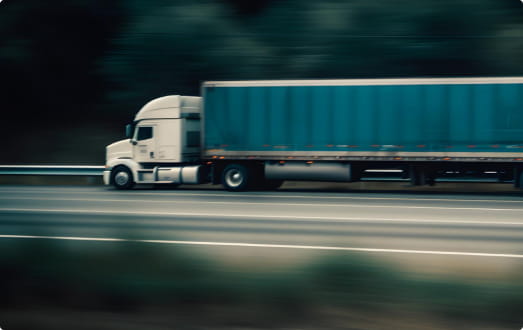
On standard dispatch, your load competes with every other shipment posted on the board for the Texas to Washington lane. If the rate is tight or the route runs into a deadhead zone on the return leg, a driver may pass your load for a better-paying run. That delay compounds – what starts as a 1-2 day slip can stretch to 5-7 days on a long corridor with limited northbound volume. Expedited service eliminates that wait with first-on, first-off priority loading, bypassing the typical 1-5 day pickup window entirely.
Expedited runs $200-$400 more than standard on this route. The reason is mechanical: a higher posted rate makes your load the most attractive option on the dispatch board, so companies in the network prioritize it over competing runs on the same Texas to Washington corridor. When a move-in date, job start at a Seattle employer, or a military report date at Joint Base Lewis-McChord makes the pickup window non-negotiable, expedited is the right call. Use our calculator above for a real-time quote.
Ready to Get Your Free Car Shipping Quotes?
Stop searching for reliable auto transport! Compare top car shipping companies and save on your vehicle transport costs. Get your free, no-obligation car hauling quotes now!
Shipping Across The Entire USA
Select needed state below for more information and carrier availability in that area
Alabama Shipping Services
Carrier Availability
4/5
Average Pickup Time
3-5 days
FAQ
What is the total cost of shipping a car from Texas to Washington?
Open transport on the Texas to Washington route typically runs $1,100-$1,500. Final price depends on fuel surcharges, pickup location within Texas, seasonal demand, and vehicle size. Rates rise during spring relocation season and fall snowbird migration when northbound volume spikes. Use our calculator above for a real-time quote.
How long does car shipping take from Texas to Washington?
Transit on this 1,689-mile corridor typically runs 3-14 days depending on pickup location and season. DOT driving hour limits cap most drivers near 500 miles per day. One key timing factor: winter mountain pass closures on I-84 and I-90 through the Cascades can add 24-48 hours to delivery, especially October through April.
What insurance coverage applies when shipping a car from Texas to Washington?
The transport company's cargo insurance covers your vehicle during transit. Before booking, request the company's certificate of insurance and confirm the coverage limit against your vehicle's value. Check whether your personal auto policy provides supplemental coverage for transport. Compare The Carrier's network only includes companies with active, verified cargo insurance on file.
Can I ship personal belongings inside my car from Texas to Washington?
Items in the trunk are permitted up to a strict 100 lb limit under DOT weight scale rules. Exceeding that limit can trigger a delay at a weigh station or void the transport company's liability coverage for the vehicle itself. Keep the load light, declare any items at booking, and remove anything irreplaceable before pickup.
What is the difference between using a quote-matching platform versus booking a single transport company directly for the Texas to Washington route, especially given the limited northbound volume on I-35 and I-84?
Compare The Carrier's network of 100+ pre-screened transport companies gives customers access to multiple active runs on the Texas to Washington corridor at once. Booking a single company directly means that company may have no scheduled northbound run for weeks – a real risk on a lane with limited return volume. The result through our platform: faster pickup, competitive rates, and companies already vetted for reliability on this specific lane.
How does pickup and delivery actually work when shipping a car from Texas to Washington, especially in dense areas like Seattle or Dallas where large trucks have trouble accessing residential streets?
80-foot transport trucks cannot always access tight residential streets in Seattle, Tacoma, or dense Dallas neighborhoods. The standard solution: the driver and customer agree on a nearby open lot – a shopping center or wide parking area works well. This is routine, costs nothing extra, and the Bill of Lading inspection happens on the spot at the agreed location.
What is the most reliable way to ship a car from Texas to Washington, given the mountain pass conditions on I-84 and I-90 and the limited northbound transport volume on this corridor?
Compare The Carrier is an active quote-matching platform connecting customers with FMCSA-licensed transport companies from a vetted network of 100+ pre-screened partners. Unlike booking a single company directly or relying on a standard broker, we match each customer with companies that have active, documented runs on the full Texas to Washington corridor – including experience with Cascade mountain pass conditions. Get a free quote using the calculator above.
23 May 2024
12 min video

Think you can’t afford your dream car? Think again. We’re spilling the beans on how to buy cars at auction, even if it’s your first time at the auction block.
14 August 2024
15 min read

Does looking for your next car leave you feeling like you’re in the dark? Carfax’s vehicle history reports can help…but can Carfax deliver car straight to your door?
05 April 2024
15 min read

Buying a car at the Manheim auction is a great solution for anyone who wants to buy a good car at an affordable price, while spending a minimum of nerves and time. Having bought a sedan or wagon, expensive or cheap, with a large engine capacity or a small engine capacity, the question arises: “Who to entrust the delivery of the car?” After all, many cars, despite the fact that they are in better condition than cars that are purchased at other auctions, still cannot be driven by the new owner on their own and require repair.
06 January 2023
15 min read