

Online Car Buying Guide: How To Search Smarter And Save
The automotive landscape has undergone a seismic shift in...
22 December 2025
Seeing your vehicle surrounded by rising water is a nightmare scenario for any driver. Whether it is the result of a sudden flash flood, a hurricane storm surge, or simply a torrential downpour that overwhelmed the street drainage, the sight of a car in water causes immediate panic. The first thought that races through your mind is likely: “My car is flooded, what should I do?”
Calculate Shipping Quotes
The reality is that car flood damage can be devastating, but it isn’t always a death sentence for your vehicle. The difference between a total loss and a salvageable ride often comes down to how quickly you act and, more importantly, what you don’t do in the immediate aftermath.
In this comprehensive guide, we will break down exactly what to do if your car gets flooded, explore the mechanical consequences of water damage, and answer the burning question: Can you fix a flooded car?
If you take only one piece of advice from this article, let it be this: Do not start your car.
What should I do when people discover my car was flooded? Their instinct is to put the key in the ignition (or press the start button) to see if it still works. This is the single most destructive mistake you can make.
You might be wondering, if a car is submerged in water, will it still work? The answer is complicated. The electronics might flicker on, but the engine is a different story. Internal combustion engines are designed to compress air and fuel. They are not designed to compress water.
When a car is submerged in water, water enters the air intake and fills the cylinders. If you try to crank the engine, the pistons will try to compress that water. Since water is incompressible, the force has nowhere to go but to break the metal components of your engine. This is called hydrolock (hydrostatic lock). It causes bent connecting rods, cracked cylinder blocks, and blown gaskets.
If you attempt to start a waterlogged car, you can turn a $500 cleaning bill into a $5,000 engine replacement in a split second.
If the vehicle is in a dangerous spot and needs to be moved immediately, do not drive it. You must arrange for a tow or professional transport. Since the engine cannot be turned on, you require a carrier equipped with a winch. This is a specific scenario that requires inoperable vehicle transport, ensuring your car is loaded safely without turning the key.
Before you worry about what to do when a car is flooded, you must worry about your personal safety. Floodwaters are often contaminated with sewage, chemicals, and debris. Furthermore, a car in water poses a risk of electrical shock, especially if it is a hybrid or electric vehicle (EV). Shipping and handling EVs requires special care to avoid fire risks.
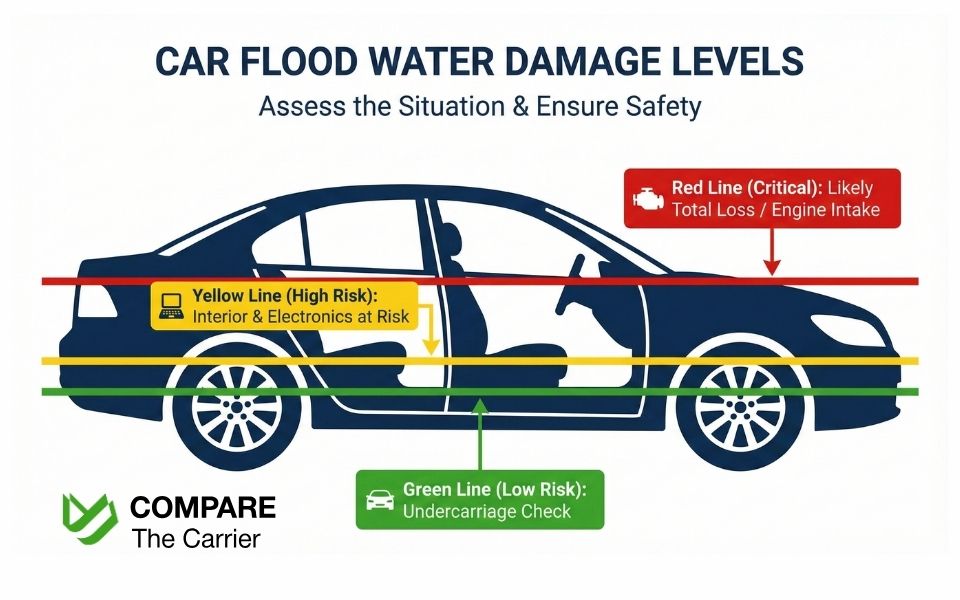
Once the water has receded enough to approach safely, look at the exterior of the vehicle. You need to determine the “high water mark.” Debris, mud, or a distinct line of dirt on the paint will show you how high the water rose. This is crucial for determining what to do if your car is flooded.
If you can safely reach the hood without standing in deep water, disconnect the battery immediately. When a car is flooded, water acts as a conductor. Even if the car is off, power still runs to certain systems (clocks, security alarms, keyless entry receivers). Water bridging these circuits can cause short circuits, fires, or permanent corrosion.
Time is your enemy. There is no safe limit for how long a car can be submerged in water; the clock starts ticking the moment the water touches it. Corrosion begins immediately, and mold can start growing within 24 to 48 hours. Taking immediate action and knowing exactly what to do if your car floods are the only ways to save it from the scrapyard:
When determining what to do with a flooded car that has water in the cabin, the absolute priority is extraction.
Simply removing visible water isn’t enough. You need to draw out the moisture trapped in the fabrics and insulation to understand what happens when a car is flooded over the long term (mold and rust).
Determining if a flooded car can be fixed depends entirely on understanding the extent of the damage. Car flood incidents affect three main areas: the mechanical systems, the electrical systems, and the interior.
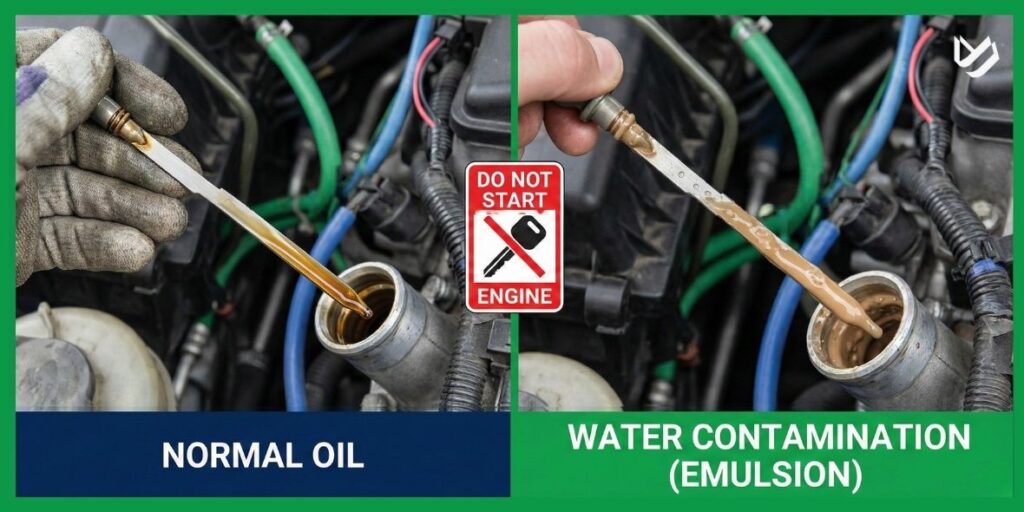
What happens when a car gets flooded mechanically involves fluid contamination.
This is often the “silent killer” of flooded cars. Modern cars are rolling computers. They contain miles of wiring and dozens of sensors.
We must make a crucial distinction here. If your car was flooded by fresh water (rain, river overflow), there is a chance of recovery. If your car were flooded with saltwater (ocean storm surge), the chances of survival drop to near zero. Salt is incredibly corrosive. It eats through metal, wiring, and electronics almost instantly. Can a car survive a flood of saltwater? Rarely. In almost all cases, a saltwater-flooded car is considered a total loss.
If you are thinking, “My car was in a flood, what should I do about money?”, you need to look at your insurance policy.
Flood damage is typically covered under Comprehensive Insurance (sometimes called “other than collision”). It is not covered by standard liability insurance.
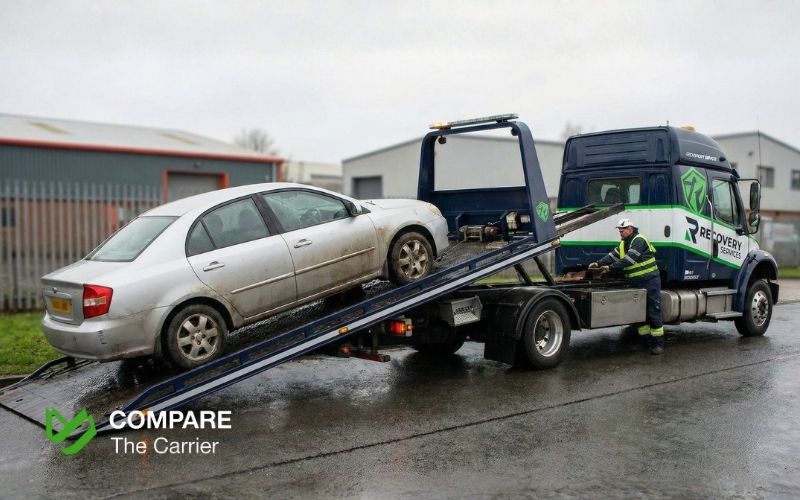
If your car is not running due to a hydrolock or if the insurance company wants it moved to a certified repair shop or a salvage yard, you cannot drive it there. You will need professional assistance. Since you should avoid starting the engine at all costs, towing or flatbed shipping is the only safe option.
You might be tempted to tow it yourself, but for a damaged car, weigh your options carefully rent a trailer or hire a shipping company? Usually, professional hauling is safer. This is where finding a reliable transporter becomes essential. You can check our shipping services to find providers that specialize in moving damaged vehicles.
Whether you are sending it to a specialist mechanic in another state or moving it to a salvage auction, professional transporters have the winches and equipment necessary to load a dead vehicle without causing further damage.
For standard vehicles that are simply waterlogged but structurally sound, standard open car transport is usually sufficient and cost-effective. However, if the flooded vehicle is a high-value vintage model or a luxury car that you intend to fully restore, you might consider enclosed auto transport to protect it from further weather exposure during transit to the restoration facility.
If you have decided to keep the vehicle or don’t have comprehensive insurance, you need to know what to do about repairs.
Even if the mechanics are fixed, a flooded car can become a biological hazard. The smell of mildew is nearly impossible to remove if it gets into the sound-deadening material under the carpet.
Sometimes, the only viable option when your car is flooded is simply to let it go:
What happens to flooded cars that are totaled? They are usually sold to salvage yards. Parts that weren’t touched by water (like body panels, glass, or rear taillights) are recycled, and the rest is crushed.
If you are in the market for a used car after a major hurricane or storm season, be vigilant. Unscrupulous sellers often take car flood victims, clean them up superficially, and sell them in different states to unsuspecting buyers. This is known as “title washing.”

Dealing with a car in water is a traumatic experience that requires quick thinking and patience. When you ask yourself what to do when your car is flooded, remember the order of operations: Safety first, stop the engine, dry it out, and call the professionals.
While car flood damage is severe, it is not always the end of the road. With immediate action, proper insurance handling, and a thorough mechanical overhaul, many vehicles can be brought back to life. However, always weigh the cost of repairs against the vehicle’s safety and reliability. Sometimes, the smartest move is to accept the loss and move on to a dry, safe ride.
Finally, while knowing what to do after a flood is crucial, prevention is always better. Learn how to prepare your vehicle for natural disasters to minimize risks next storm season.
Yes, you can fix a flooded car. It is a common question with a nuanced answer. It depends entirely on the depth of the water, the duration of submersion, and the type of water. A car that sat in fresh water up to the floorboards for an hour is often repairable with thorough drying and fluid changes. However, a car submerged in salt water, or one in which water reached the dashboard, is usually considered a total loss due to the inevitable and severe corrosion of electrical systems and engine components.
There is no “safe” time limit. Damage begins instantly. Electrical connections begin to short out immediately upon contact. Within hours, fluids become contaminated. Within 24 to 48 hours, mold begins to grow in the interior. The longer the car sits, the more water seeps into sealed components like the transmission and differentials. If a car sits submerged for days, it is almost certainly beyond repair.
It might start, but you shouldn’t try. Technically, the engine might fire up if the intake wasn’t flooded, but doing so causes water to circulate throughout the engine and transmission, turning a repairable problem into a catastrophic failure. Additionally, the electronics may work intermittently before failing completely as corrosion sets in. Never attempt to drive a flooded car until a mechanic has inspected it.
Follow these three steps:
1. Do not start the engine.
2. Disconnect the battery to prevent electrical shorts and fires.
3. Document the damage by taking photos of the water line and interior for your insurance claim.
Once these are done, begin removing water and drying the car as fast as possible to prevent mold growth.
Fresh water can damage electronics and interiors, but if dried quickly, the car can often be saved. Salt water, however, is highly conductive and corrosive. It eats through wiring harnesses, sensors, and the car’s frame within days. Salt crystals remain even after the water dries, continuing to destroy the car from the inside out. Most experts agree that saltwater flooding results in an automatic total loss.






Don't have time to fill out the form?
Call a transport company directly to get a quote now!
Select the category you need
Partner with Compare The Carrier & Grow!
We're open to collaborations, partnerships, and mutual growth! Whether you're an individual or a business, we offer exciting opportunities to work together. Fill out the form below to explore how we can collaborate.
Something Went Wrong
We're sorry, but something went wrong. Please briefly describe the problem you experienced in the text area below. Providing your contact information will allow us to follow up if needed.

Thank you,
your form has been accepted.
Your form has been successfully submitted. We appreciate your effort — our team will review it shortly and take the next steps.


