

Where Is It Cheapest to Buy a Car? States That Save Buyers the Most
Buying a car is one of the most significant financial dec...
10 March 2026
Knowing when to sell your car is just as important as knowing which one to buy. In 2026, the market is a mix of stabilizing prices and shifting buyer demands, meaning a well-timed listing can put thousands of extra dollars in your pocket.
Calculate Shipping Quotes
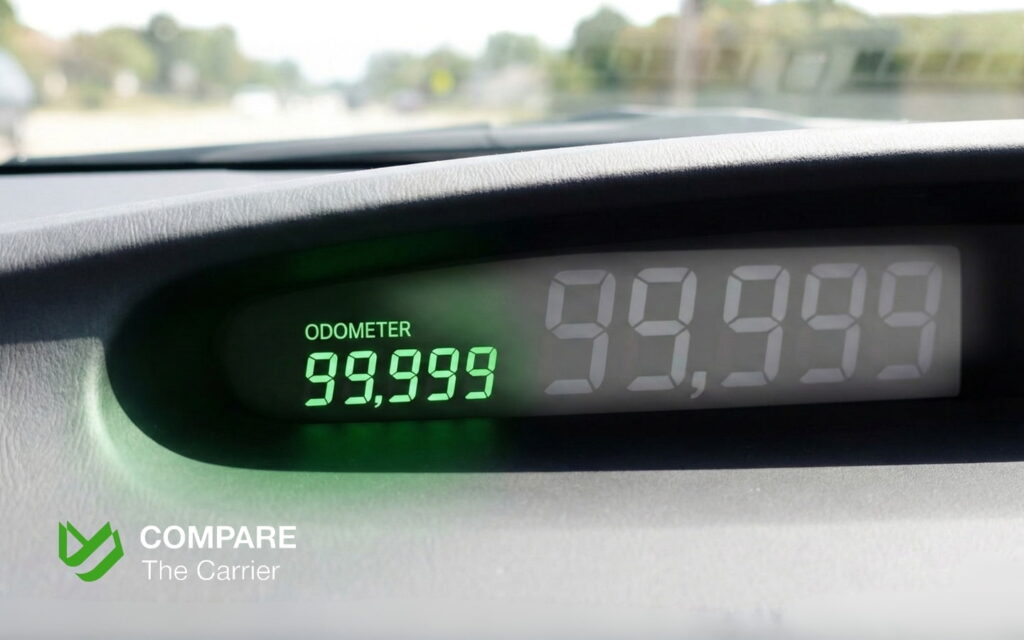
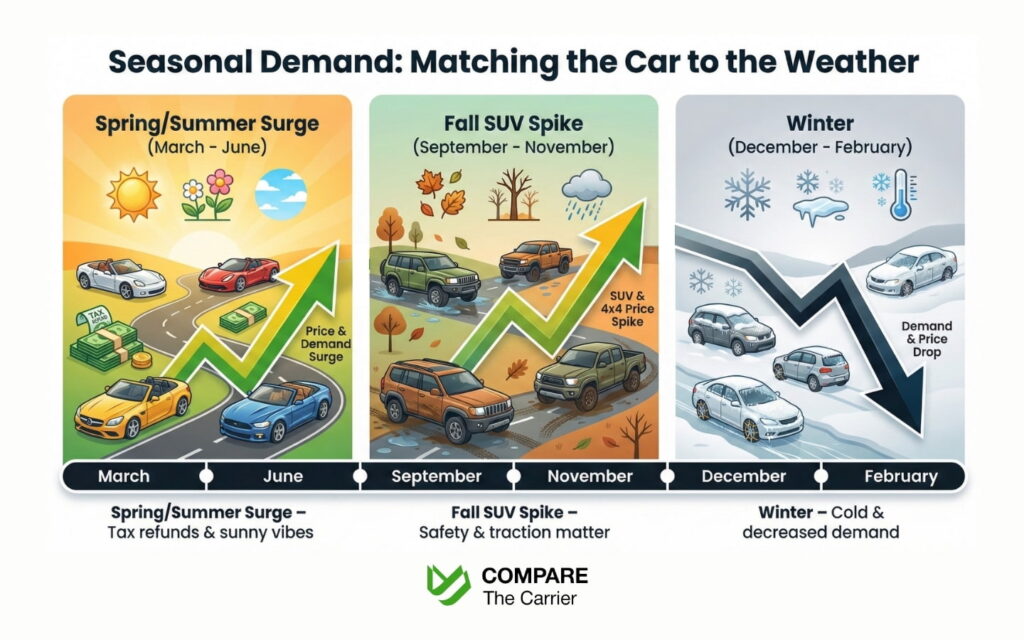
The best time to sell a car is during the spring and early summer (March through June), when car buying demand peaks due to tax refunds and warmer weather. For the highest price, aim to sell before the vehicle hits 36,000 miles (when most general warranties expire) or before the odometer crosses the 100,000-mile mark, which serves as a major psychological barrier for used car buyers.
We’ve moved past the “wild west” era of car pricing. In 2026, the market has settled, leaving a shortage of high-quality, 3-to-6-year-old vehicles. If you’re holding a well-maintained car, you’re in the driver’s seat. However, if you are planning to upgrade and buy your next vehicle from a distance, you might want to check a cross country auto transport guide to factor in those logistics early.
If you’re holding a car that’s well-maintained and has clear service records, you’re in the driver’s seat but only if you don’t wait too long. The window for maximum value is narrower than it used to be. Here is the reality of the current landscape:
There is a specific magic that happens when a car is under 36,000 miles. It still feels “new.” Most manufacturers (think Toyota, Honda, Ford) offer a bumper-to-bumper warranty that expires at 3 years or 36,000 miles.
Selling just before this milestone is a pro move. Why? Because you are selling peace of mind. A buyer can take your car, drive it for a week, and if they find a loose trim piece or a squeaky belt, they can take it to the dealer for a free fix. Once that clock hits 36,001, that safety net vanishes, and your car’s value takes its first major “step” downward.
Expert Note:
If your car is near this limit, consider getting a final “health check” at the dealership under warranty before you list it. Having a document that says “Vehicle Inspected: No Issues Found” is worth an extra $500–$800 in a private sale.
The next big drop-off happens between 60k and 70k miles. This isn’t just about the powertrain warranty ending (though that’s part of it). It’s about the maintenance bill.
Around 60,000 miles, most cars need a “Level 3” service:
If you sell at 58,000 miles, you’re selling a car that “runs great.” If you sell at 62,000 miles, the buyer is going to look at those worn tires and the service light and ask for a $1,500 discount. Unless you’ve just done the big service, try to get out before you hit the 60k mark.
We live in an age where a well-oiled engine can easily go 200,000 miles. We know this, mechanics know this but the human brain still hates six digits.
Crossing 100,000 miles is the single biggest “value killer” for a used car. A car with 98,500 miles feels like a “reliable veteran.” A car with 102,000 miles feels “old.” Data from 2026 indicates that cars listed just under the 100k mark sell nearly 25% faster than those just over it.
If you’re at 95,000 miles and thinking about selling, do it now. Don’t take that one last cross-country road trip. Every mile you drive toward 100k is essentially costing you money in real-time.
Cars are emotional purchases, and the season often dictates the price:
If you are selling a 4×4, an SUV, or a truck, wait for the first leaf to fall. As soon as the weather turns gray, buyers start thinking about safety, traction, and “getting through the winter.” In 2026, we’ve seen SUV prices jump by as much as 8% between August and October simply because of the perceived need for all-wheel drive.
If you’re looking for the absolute peak of your Return on Investment (ROI), the three-year mark is the undisputed champion. In the 2026 market, this has become even more pronounced due to what analysts call the “Production Gap.”
Because new car manufacturing slowed down significantly between 2020 and 2023, there is currently a massive shortage of high-quality, 3-to-5-year-old vehicles hitting the used lots. If you own a 2023 or 2024 model, you are holding the exact inventory that dealerships and private buyers are desperate to find.
If you are a buyer looking for these gems, it’s worth it to compare best online car buying platforms to find the best national deals rather than just looking locally.
Typically, a car loses about 20% of its value the moment you drive it off the lot. By the end of Year 3, that depreciation usually sits around 40%. However, after Year 5, it plummets toward 60%.
By selling at the three-year mark, you’ve let the first owner take the biggest financial hit, but you’re getting out before the vehicle starts to feel like a “project.”
One of the most common mistakes sellers make is waiting until the actual calendar year ends to list their car. In the automotive world, “next year” starts in the late summer.
Between August and October, manufacturers begin flooding dealerships with 2027 models. The second those new cars hit the showroom floor, your 2025 model effectively becomes “two years old” in the eyes of the market even if you bought it only 18 months ago.
If you want to maximize your price, you need to list your car before August. Once the marketing campaigns for the next model year begin, the psychological value of your “current” car drops. This is especially true if the upcoming model is a “facelift” or a new generation with updated screens, better battery range (for EVs), or a complete redesign.
Expert Tip:
Check automotive news sites for “Leaked” or “Announced” redesigns of your specific model. If a brand-new look is coming out in 2027, your current version will see a sharp price drop the day the new one is revealed.
In 2026, auto loan interest rates are hovering between 6% and 8%. This makes “Negative Equity” owing more on the car than it’s worth a very real danger.
Before you list your car, you must call your lender for a 10-day payoff quote. Once you have that number, compare it to the “Private Party” value on sites like Kelley Blue Book or Edmunds.
If you are “underwater,” the best time to sell is almost always “later.” Every monthly payment you make goes partially toward the principal, helping you reach that break-even point where the car’s value finally meets the loan balance.
Most people spend three days detailing their car’s interior before a sale, but they can’t find the receipt for the last oil change. In 2026, buyers are more skeptical than ever. They’ve seen the “rebuilt title” scams and the hidden flood damage.
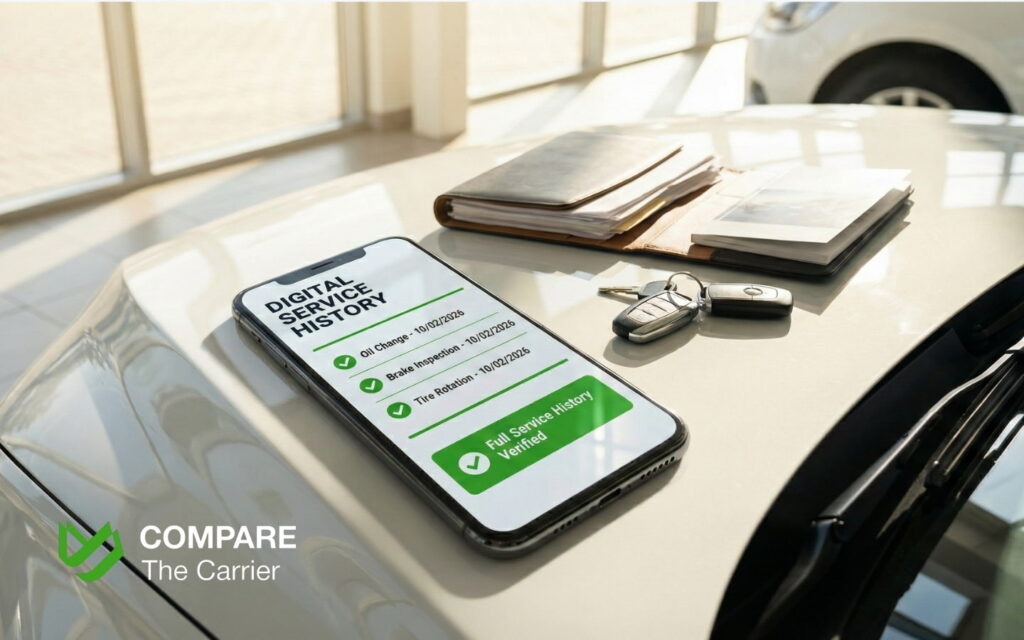
Fact: According to 2026 market data, vehicles with a verified, digital service history sell for up to 15% more and 30% faster than those without.
Instead of just washing the car, organize a “Sale Folder” containing:
A buyer looking at a clean car with no records sees a risk. A buyer looking at a slightly dusty car with a thick stack of receipts sees an investment.
You’ve tracked the seasons, watched your odometer like a hawk, and checked your loan balance. Now comes the moment of truth: the actual transaction. In 2026, the way we sell cars has shifted. It’s no longer just about a “For Sale” sign in the window; it’s about choosing the right platform and knowing when to walk away from a bad deal.
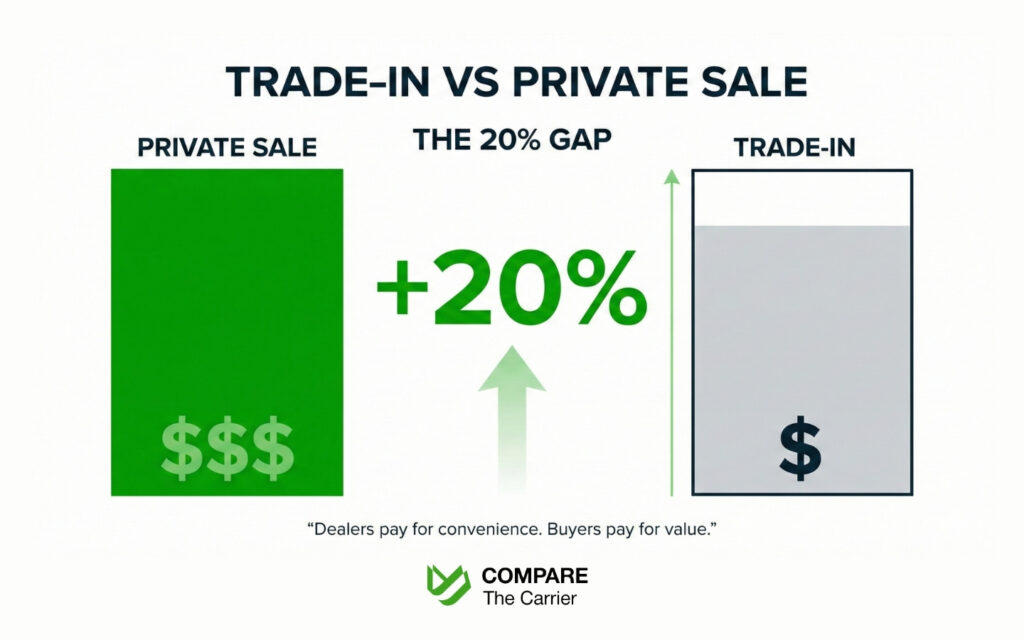
The fastest way to sell a car is to hand the keys to a dealer. The most profitable way is to find a human being who needs a ride. In the current market, the “convenience tax” you pay for a trade-in is roughly 15% to 22% of the car’s value.
If your car is worth $20,000 on the open market, a dealer might offer you $16,000. Why? Because they have to detail it, warrant it, and still make a profit. If you have the time (usually 7–10 days) and the patience to handle a few phone calls, selling it yourself is the single best way to “get the highest price.”
If you choose a private sale to someone out of state, they will likely ask about shipping. You can provide them with a vehicle shipping checklist to make the process smoother and more professional.
When to Trade-In Anyway:
In 2026, buyers are savvy. They’ve seen every “lipstick on a pig” trick in the book. While a clean car is essential, a detailed service history is what closes the deal.
Don’t just wash the car. Detail the engine bay. A dusty engine looks old; a clean engine looks maintained. However, don’t go overboard with “tire shine” or heavy interior scents. To a cynical buyer, a car that smells too much like “New Car Scent” looks like it’s hiding a history of smoking or pet odors. Keep it neutral, keep it clean, and keep your stack of receipts on the passenger seat during the viewing.
Before you post that listing, run through this practitioner’s checklist to ensure you aren’t leaving money on the table:
Selling at the right time isn’t luck, it’s math. Aim for the spring, stay under the 100k-mile mark, and keep your records organized. If you’re moving and need to sell quickly or transport your car to a better market, using an auto transport calculator can help you decide if shipping the car to a high-demand state is worth the cost.
Happy selling!
March through May is the optimal window to sell a car. This period aligns with tax refund season, providing buyers with extra cash for down payments. Additionally, warmer weather encourages people to shop for vehicles and prepare for summer road trips, leading to higher demand and firmer asking prices compared to the winter months.
Mileage significantly impacts value at specific psychological “cliffs.” Selling before 36,000 miles allows you to market the vehicle with its original factory warranty. Crossing 60,000 miles often coincides with major service requirements, and hitting 100,000 miles typically triggers a sharp drop in valuation as buyers perceive the vehicle as entering a high-maintenance phase of its life.
A private sale generally yields 15-20% more money than a dealer trade-in. However, dealers offer convenience and potential sales tax credits on your next purchase. In 2026, “Instant Cash Offer” platforms provide a middle ground, offering more than traditional trade-ins with less hassle than a private sale, making them ideal for sellers who prioritize speed over absolute top dollar.
You should only fix minor issues that cost less than the value they add. For example, replacing a cracked windshield or worn tires can prevent buyers from negotiating thousands off the price. However, for major engine or transmission repairs, it is often better to disclose the issue and lower the price accordingly, as you rarely recoup the full cost of major repairs in the sale.
The release of a new model year, typically in the fall, immediately makes your car “one year older” in the eyes of buyers and valuation tools. If the new release is a “full redesign,” your vehicle’s value can drop by an additional 5-10%. Selling in the spring or early summer avoids this “new model year” depreciation hit.









Don't have time to fill out the form?
Call a transport company directly to get a quote now!
Select the category you need
Partner with Compare The Carrier & Grow!
We're open to collaborations, partnerships, and mutual growth! Whether you're an individual or a business, we offer exciting opportunities to work together. Fill out the form below to explore how we can collaborate.
Something Went Wrong
We're sorry, but something went wrong. Please briefly describe the problem you experienced in the text area below. Providing your contact information will allow us to follow up if needed.

Thank you,
your form has been accepted.
Your form has been successfully submitted. We appreciate your effort — our team will review it shortly and take the next steps.


