

Salvage Car Shipping: How to Transport Wrecked Vehicles Safely
Buying a salvage vehicle is usually a decision made with ...
8 January 2026
Purchasing a secondhand car is often compared to a high-stakes poker game. You’re gazing at the shiny exterior, the new vacuum carpets, and the glowing dashboard, and the seller is sitting across from you with a “poker face,” waiting for you not see the mechanical snafus beneath the surface. In the car world, pre-owned vehicles, nothing you don’t know can – and probably will – damage your wallet.
Calculate Shipping Quotes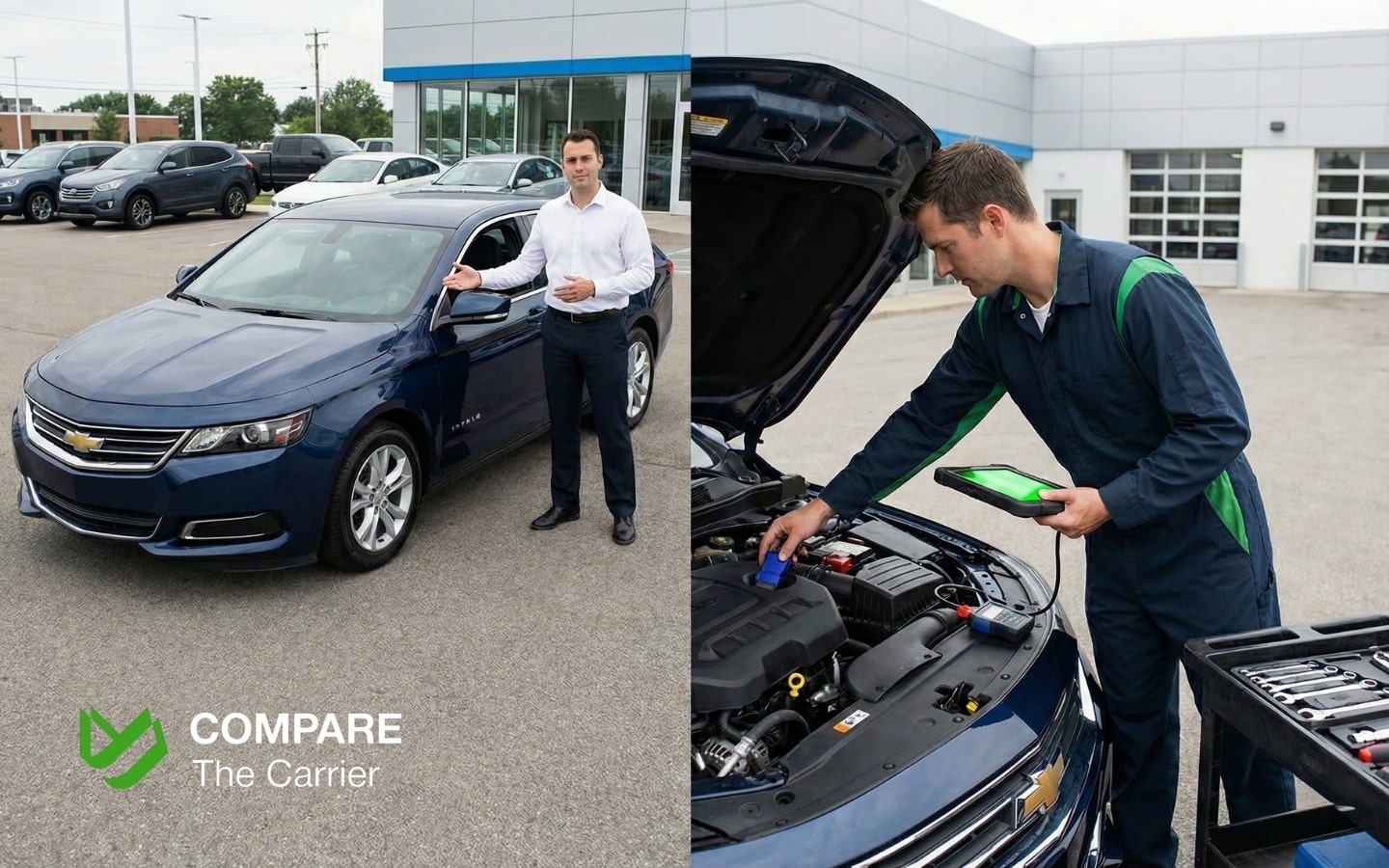
But as we make the leap into 2026, the complexity of vehicles has exploded. Today, we’re not only looking for oil leaks, but also intricate sensor arrays, hybrid battery cooling systems, advanced driver-assistance systems (ADAS), and others – all of which necessitate unique tools to diagnose. This is where Pre-Purchase Inspection (PPI) becomes your best friend. It’s much like having a car specialist on you to spot anything you might not know and provide guidance for avoiding surprises later.
In this no-nonsense handbook, we’ll explore why a PPI is a no-nonsense guarantee, a powerful negotiator’s implementer, and the only point of contact for a layperson before a “lemon” will even get through your door.
A PPI is a detailed assessment of an automobile’s condition completed by a registered mechanic or technician prepared for the final sale. It’s very much “physical” for a car. Whereas a car history report like Carfax or AutoCheck tells you what happened to the car on paper, a PPI tells you what’s happening right now with the car.
An adequate pre-purchase inspection will show you the condition the property is in before you pay the seller. The mechanic will examine everything, from how the engine operates to whether the tires and brakes are up to scratch or failing. They won’t just be visually inspecting the vehicle; they’ll also kick the tires, take it for a test drive, and scan it for computer trouble codes.
Too many buyers mistake a state-mandated safety inspection for sufficient safety. It isn’t. A safety inspection makes sure that your car isn’t a danger to others; the PPI makes sure that your car isn’t a danger to your bank account.
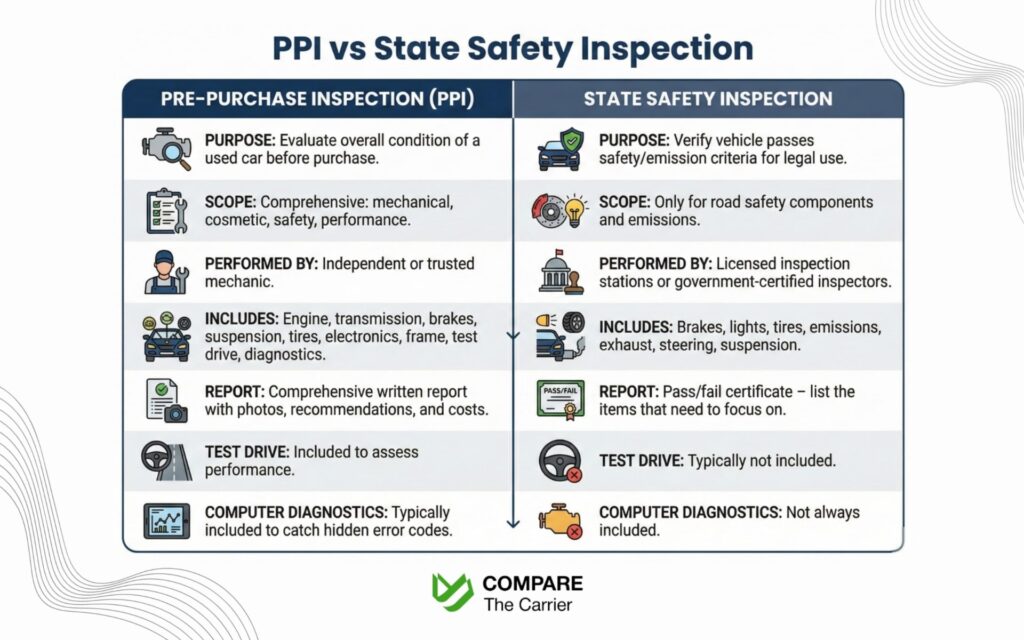
The average price of a used car is set at an extreme plateau. When spending $20,000 or $30,000 on a vehicle, spending an extra $150 to $250 to do a professional inspection isn’t just a “good idea” but basic financial self-defense. And if you spot issues early, you’re able to negotiate for a fair price or to avoid a bad deal entirely.
A used car can have wear and tear on its performance, safety, reliability, and life span that is detrimental to its performance. Buyers will not find themselves in a vehicle with hidden damage, past accidents, or mechanical failures if it is inspected properly.
I’ve seen it dozens of times: a buyer discovers a ”Deal of a lifetime” on a premium European SUV. And then they bypass this PPI, take it home, and two weeks later, the air suspension fails. All of a sudden, that $2,000 “savings” comes undone by a $5,000 repair bill. A PPI recognizes these “deferred maintenance” items before they become your issue.
A PPI report is a cold, hard report of facts. If the mechanic determines that the brakes are at 10% life or the tires have dry rot, you don’t just go in and do your thing. You can take that knowledge and reduce the price.
Sellers may not always raise issues with you, so an expert evaluation is essential. An unbiased mechanic can give you insight into those pain points. If you’re selling the car on your own, a pre-sale inspection, however, will actually help buyers trust your word.
Most used car sellers aren’t going to scam you, but they might be “hopeful” about the car’s condition. Then there are the professional scammers who do ‘title washing’ and can disguise catastrophic damage. Here are the issues experienced by practitioners such as Mango Automotive:
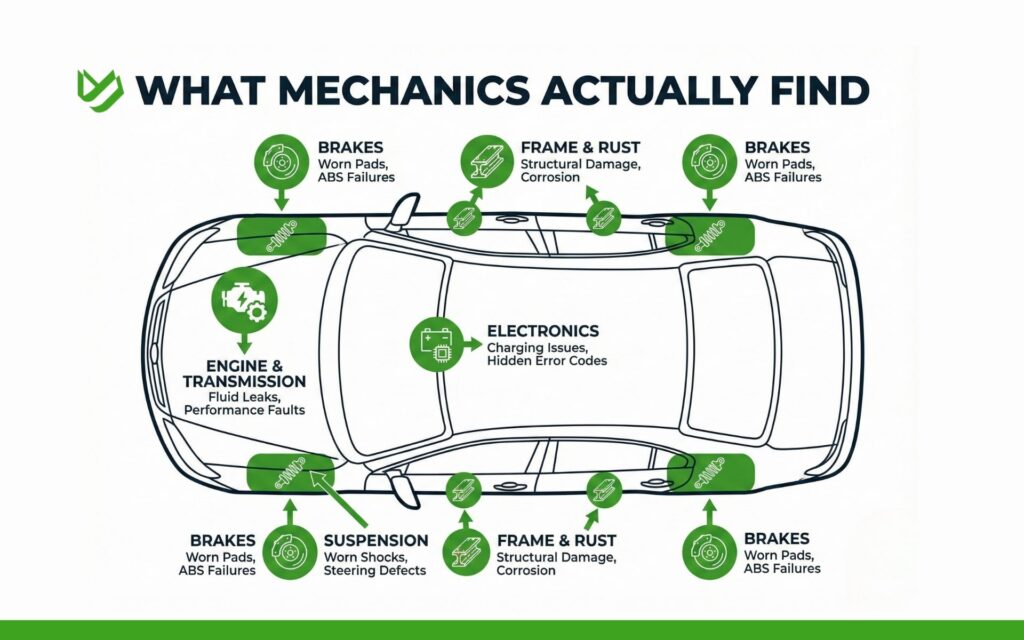
Those repair problems – engine and transmission issues – are some of the most expensive.
Bad brakes are a serious safety hazard.
The electrical malfunctions are common, which means they may result in unexpected failures and costly repairs.
A screwy suspension compromises safety and performance, making driving a car very difficult, especially at those speeds.
Hidden frame damage may impact a car’s safety and resale value.
In 2026, the used car market is national. You might live in New York, but find the perfect rust-free truck in Arizona. Remote buying is more and more common, but it’s also riskier. If you can’t wait to hear the engine start up and enjoy the journey, then the PPI is your only lens of vision and ears.
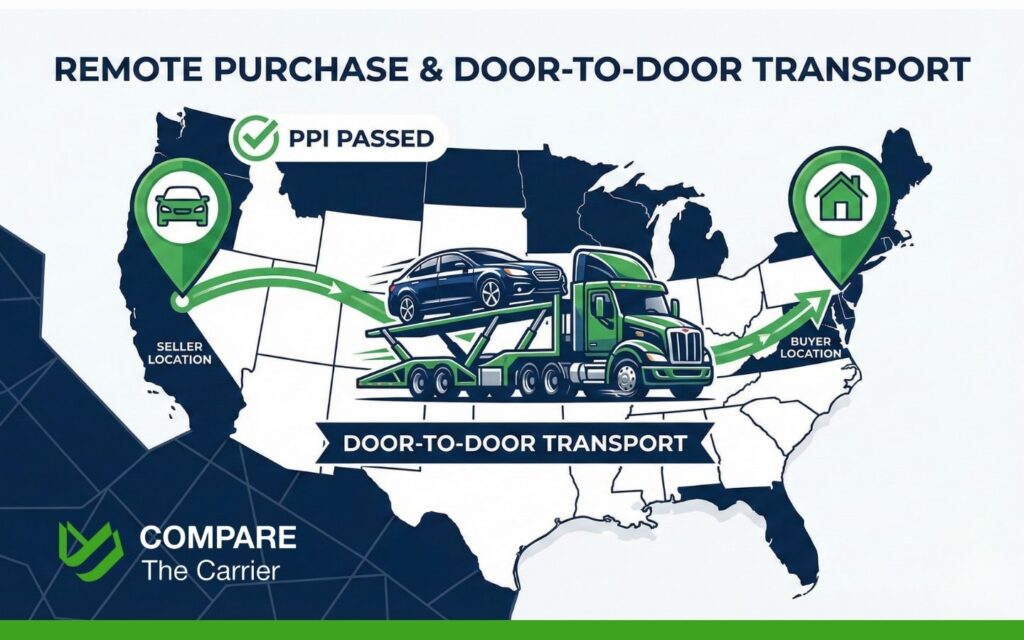
Most good sellers will be able to drop off the car at a local mechanic for you. If a seller refuses inspection? Run. That is the biggest single red flag in the industry. After the PPI clears your car, the next thing you do is logistics. Because you’re buying remotely, you’ll need to coordinate professional door-to-door car transportation so that you can safely take your new investment home. This is where you can calculate your shipping costs to confirm the overall “landed cost” of the car still fits your budget.
PPI processes are different if you are buying a used Tesla, Rivian, or Lucid. You don’t care a hoot about oil leaks but care a helluva lot about Battery State of Health (SoH). A dedicated EV Inspection will look for:
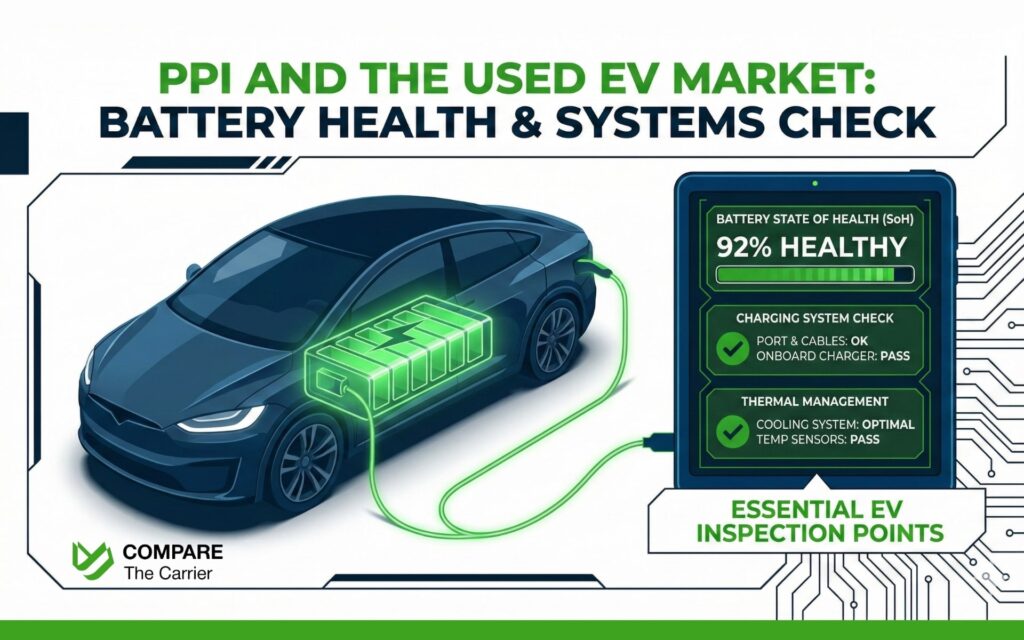
Buying a used EV without an SoH report is like purchasing a gas vehicle without knowing whether the engine features pistons. Never leave your inspector without the tools to read EV-specific battery data.
Tires and wheels have safety, handling, and fuel-efficiency impacts.
You don’t just have to visit the cheapest shop. You want an “agnostic” mechanic – an unknown individual not connected to the seller.
Modern mechanics have sophisticated diagnostic tools equipped to identify issues that would not be noticed by an untrained eye. This includes visual checks mixed with hands-on testing and computer diagnostics. An evaluation from a shop like Mango Automotive may even involve a road test evaluating acceleration, braking, and steering responses.
If the inspection reveals any problems, use the report as a negotiating tool.

Buying a used car is a big decision, so don’t skip the important steps. I made sure I did a pre-purchase inspection when I bought my first used car. It’s your best insurance against costly repairs and buyer’s remorse. It’s a small investment for peace of mind and confidence that you’re making a smart purchase.
Remember, once the inspection is complete and you’ve secured your dream car, the journey isn’t over. Whether you need to move it across town or across the country, using a professional door-to-door car transport service ensures your new investment arrives in exactly the condition the inspector described.
Yes, it can save you thousands of dollars and significant stress by catching issues before you commit to the purchase. Catching a failing transmission or frame damage early is worth much more than the $200 inspection fee.
Typically, the buyer pays for the inspection since they are the ones protecting their investment.
While an inspection might not find every single minor issue, a qualified inspector should uncover almost all major hidden problems, including past accidents, flood damage, and electronic malfunctions.
Inspections typically take about 1 to 3 hours, depending on the car’s condition and the depth of the evaluation.
No. A PPI is a snapshot of the car’s health on that specific day. It helps detect current problems and signs of neglect, but can’t predict future component failures.
Yes. CPO cars go through a dealer check, while an independent PPI gives an unbiased second opinion. Dealers sometimes overlook items that don’t violate the specific CPO criteria but might still cost you money later.
You should conduct the inspection as soon as possible after you have narrowed down your choice and before you finalize the paperwork or finalize the deal.
This is a major red flag. If a seller or dealer won’t allow an independent inspection, they are likely hiding something significant. It is usually best to walk away from such a deal.






Don't have time to fill out the form?
Call a transport company directly to get a quote now!
Select the category you need
Partner with Compare The Carrier & Grow!
We're open to collaborations, partnerships, and mutual growth! Whether you're an individual or a business, we offer exciting opportunities to work together. Fill out the form below to explore how we can collaborate.
Something Went Wrong
We're sorry, but something went wrong. Please briefly describe the problem you experienced in the text area below. Providing your contact information will allow us to follow up if needed.

Thank you,
your form has been accepted.
Your form has been successfully submitted. We appreciate your effort — our team will review it shortly and take the next steps.


