4 Proven Tactics to Optimize Auto Transport Lead Cost
To optimize auto transport lead cost in 2026, brokers mus...
15 November 2024
Unlock explosive brokerage growth in 2026. Get the inside scoop on strategies your competitors wish they knew.
Contact Us Now
The transportation brokerage industry is a fast-paced battleground. In 2026, standing out from the crowd isn’t a luxury – it’s a necessity for survival. Being a great sales agent isn’t enough to rise to the top of the industry market. Same as standard marketing tactics just won’t cut it anymore. To win new business and fuel your brokerage growth, it’s time for a marketing makeover.
If you’re looking for that competitive advantage, we are here to offer innovative ways to connect with potential clients. Whether you’re a seasoned brokerage owner or new to the game, our guide will arm you with the essential tools to navigate the ever-shifting marketing landscape and leave your competition in the dust.
At Compare The Carrier have a team of professionals in marketing, development, sales, and business growth. We are glad to share our marketing expertise to scale your business. And for any assistance feel free to contact us at info@comparethecarrier.com
Get ready to discover how Compare The Carrier can be your powerful ally in achieving those ambitious growth goals!

Think of marketing like a precision-guided missile. Before you launch, you need crystal-clear coordinates – that’s your target market. Trying to market your brokerage to everyone is the equivalent of shooting blindfolded and hoping you hit something. Not an effective strategy for brokerage growth, is it?
Defining your ideal client is the cornerstone of successful digital marketing in the transport industry. Here’s why it matters:
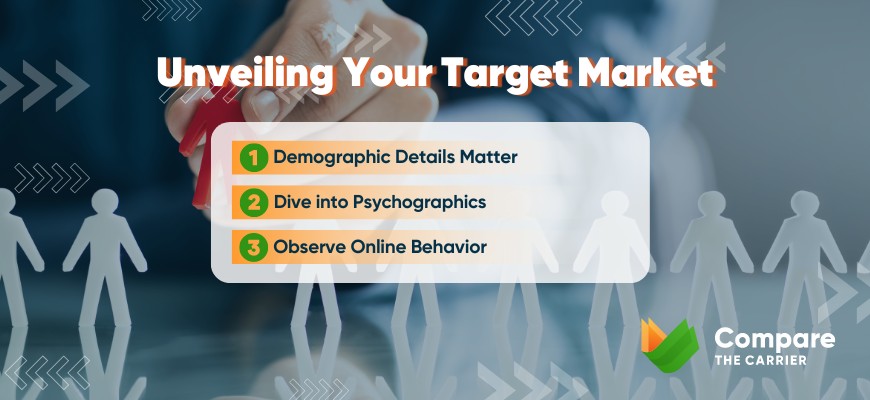
Important: Your target market isn’t set in stone! Revisit it regularly as your brokerage evolves or you identify new growth opportunities.
Imagine you specialize in expedited freight for the automotive industry. Your ideal client profile might look something like this:
With this level of clarity, your marketing (marketing strategies) suddenly becomes laser-focused, delivering results instead of random noise.
Remember, understanding your target audience is a continuous journey, not a one-and-done task. The deeper your understanding, the stronger competitive advantage you’ll gain.

Once your ICP is locked in, you need to deploy a mix of digital channels to capture demand. The goal is to build a pipeline that generates warm leads around the clock.
In a highly fragmented market, your brand is your reputation. It is what communicates trust before a shipper even speaks to your reps.
Building a B2B logistics brand goes far beyond a logo. It encompasses your digital footprint, your website’s professional appeal, and the consistency of your messaging. Investing in professional logistics branding and design ensures that your marketing assets project financial stability, operational excellence, and industry authority key factors enterprise shippers look for during the procurement process.
Here’s how to build a strong brand that fuels your brokerage growth:
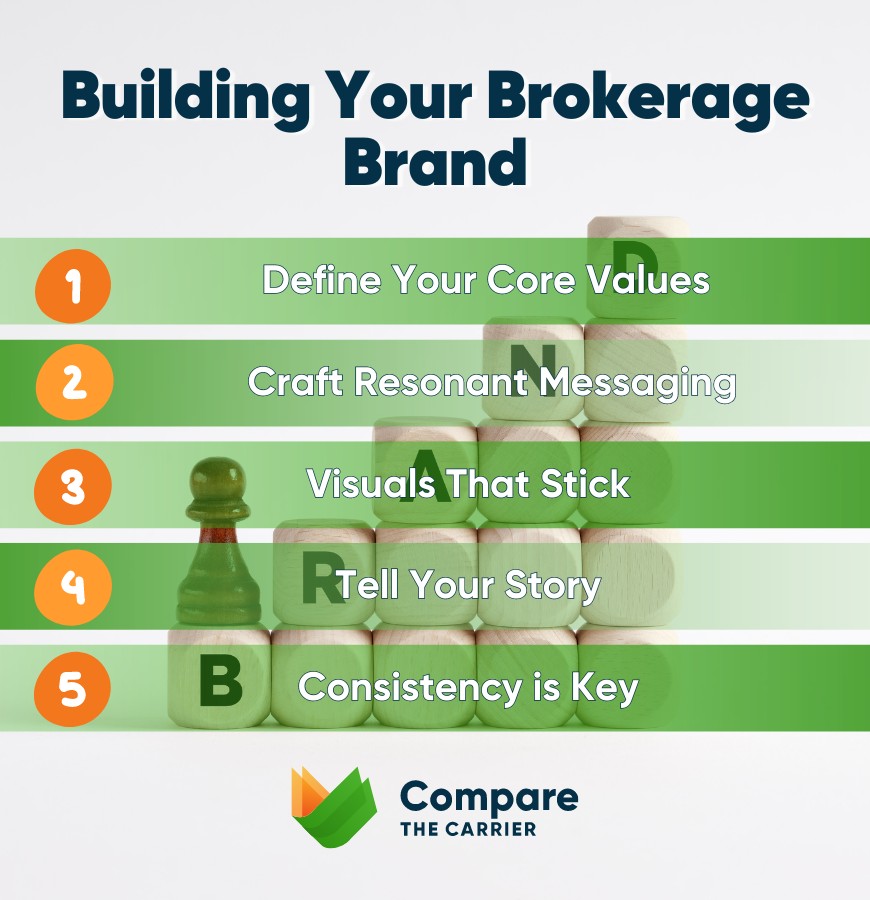
Building strong brand awareness isn’t a one-time project; it’s an ongoing commitment. Every interaction a potential client has with your brokerage, whether it’s a social media post or a sales call, should reinforce your brand values and identity. Delve into the impact of AI on logistics to position yourself as a thought leader.
Remember: Your brand is your reputation. Investing time and resources into building brand awareness will pay dividends for your brokerage growth, fostering trust, and securing a competitive advantage in the long run.
Think of your website as your brokerage’s virtual storefront. If it’s slow, confusing, or looks like it was designed in the 90s, potential clients will bounce faster than you can say “freight quote.” Investing in website performance and UX isn’t just about having a pretty site; it directly impacts your marketing results. Here’s why:
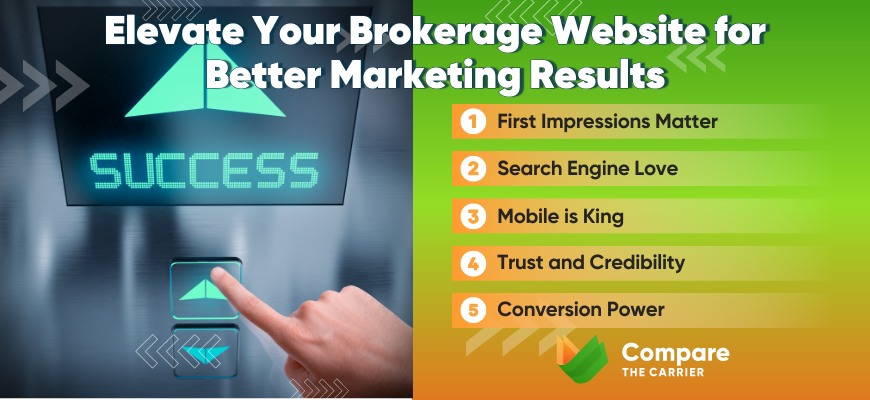
Great UX is a win-win. It boosts your marketing results, making your brokerage more visible and credible, and it provides a positive experience for your potential clients.
Pro Tip: Don’t just guess what works! Use analytics tools like Google Analytics to track website metrics, identify areas for improvement, and test changes to see what drives the best results.
Marketing generates the leads, but your team still has to close them. The most successful brokerages in 2026 operate with complete alignment between these two departments.
Attending industry trade shows and building relationships with asset-based carriers or complementary 3PLs remains crucial. However, the real leverage comes from integrating your digital efforts with your sales floor. Proper sales and marketing integration ensures that every lead generated online is instantly routed to the right broker with full context.
To maximize the close rate of these digital leads, provide your team with modern logistics sales training. Your brokers must know how to transition from traditional cold-calling tactics to consultative selling tailored for inbound prospects.
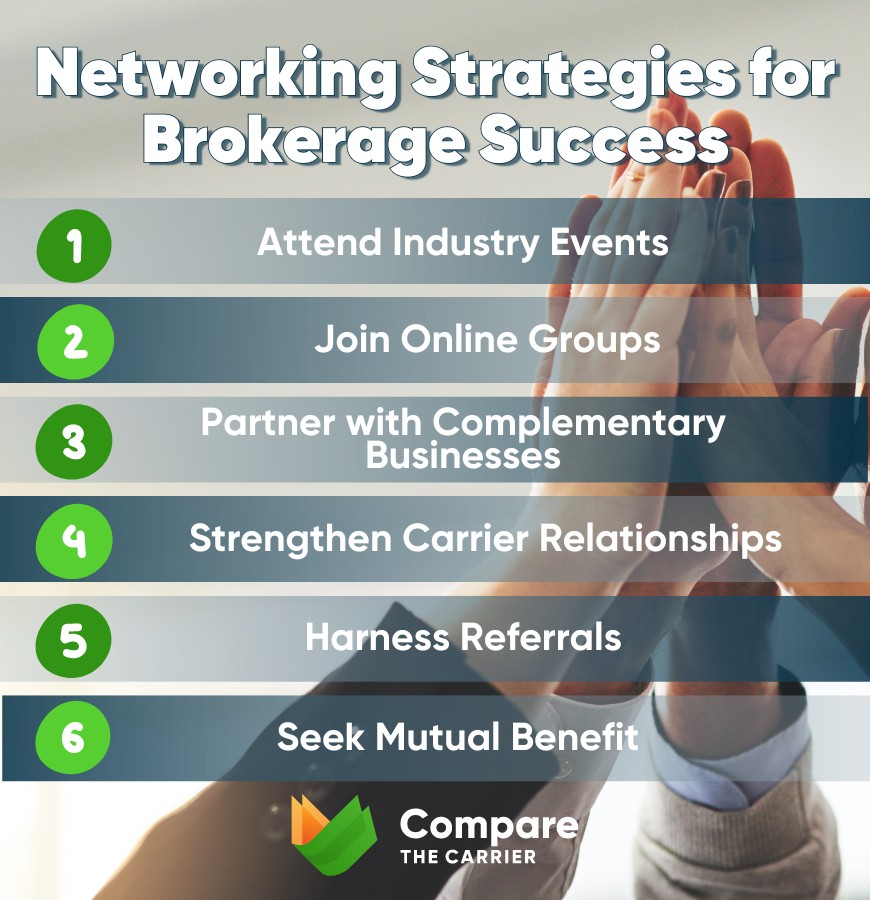
Genuine networking and strategic partnerships expand your brand awareness, open doors to new leads, and offer a competitive advantage in a crowded market. Remember, relationships take time and effort to cultivate, so prioritize a consistent and authentic networking strategy in your marketing plan.
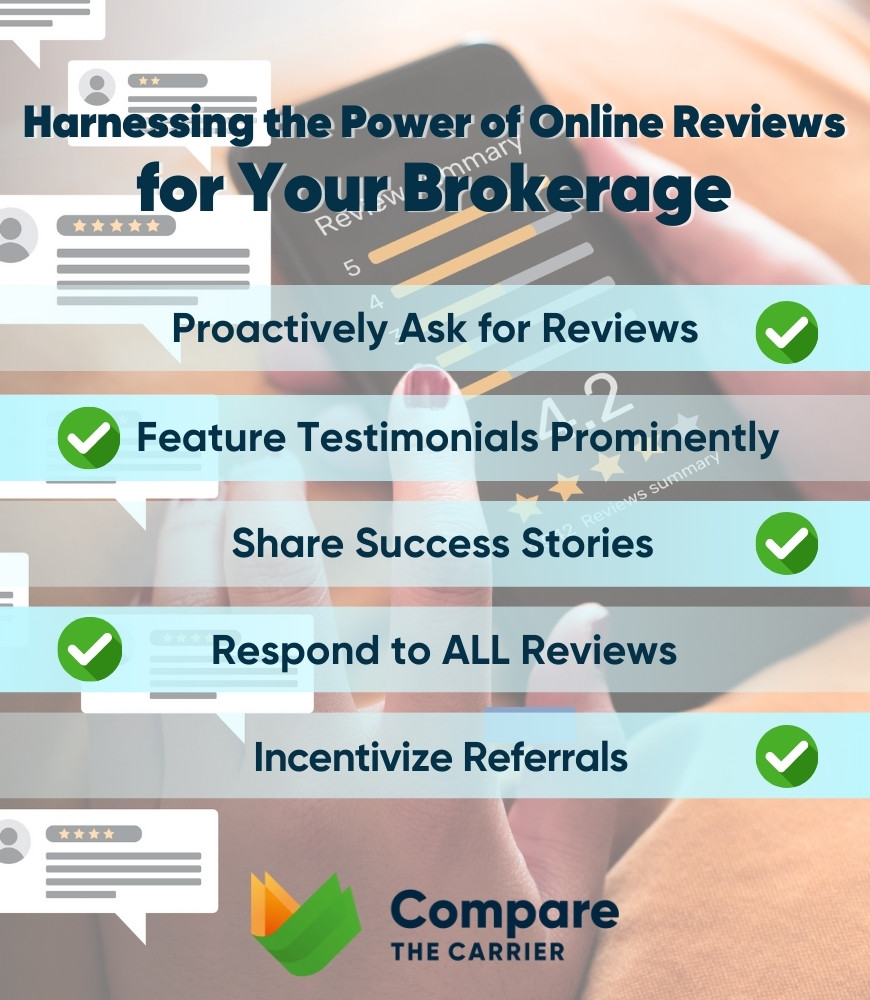
In today’s digital world, online reviews and testimonials wield incredible influence. Positive feedback acts like social proof, reassuring potential clients that your brokerage delivers on its promises. Here’s how to turn satisfied customers into your most powerful marketing advocates:
Company Name: Swift Drayage Solutions
Industry: Drayage brokerage, specializing in port-to-warehouse and intermodal transport.
Review:
“Before partnering with Compare The Carrier, our marketing felt haphazard. We were getting some leads, but not the quality or volume we needed to truly scale. Compare The Carrier helped us analyze our ideal clients, refine our messaging, and reach new audiences through their platform. Since then, we’ve seen a significant increase in qualified leads and boosted our brand visibility within our niche. We no longer feel like we’re shouting into the void!”
Key Points to Highlight:
Compare The Carrier helps you streamline your operations, build carrier relationships, and deliver exceptional service – resulting in satisfied customers eager to share their positive experiences.
The most impactful reviews and testimonials are genuine and provide specific details about the customer’s experience. Focus on collecting high-quality reviews that highlight the unique advantages of your brokerage.
Pro-Tip: Consider offering incentives (small discounts, future perks) to encourage clients to leave detailed reviews. Just be sure you disclose this practice to maintain transparency.
We’ve covered how to develop a robust marketing strategy for your brokerage. Now, let’s dive into how partnering with Compare The Carrier can supercharge those efforts and drive brokerage growth.
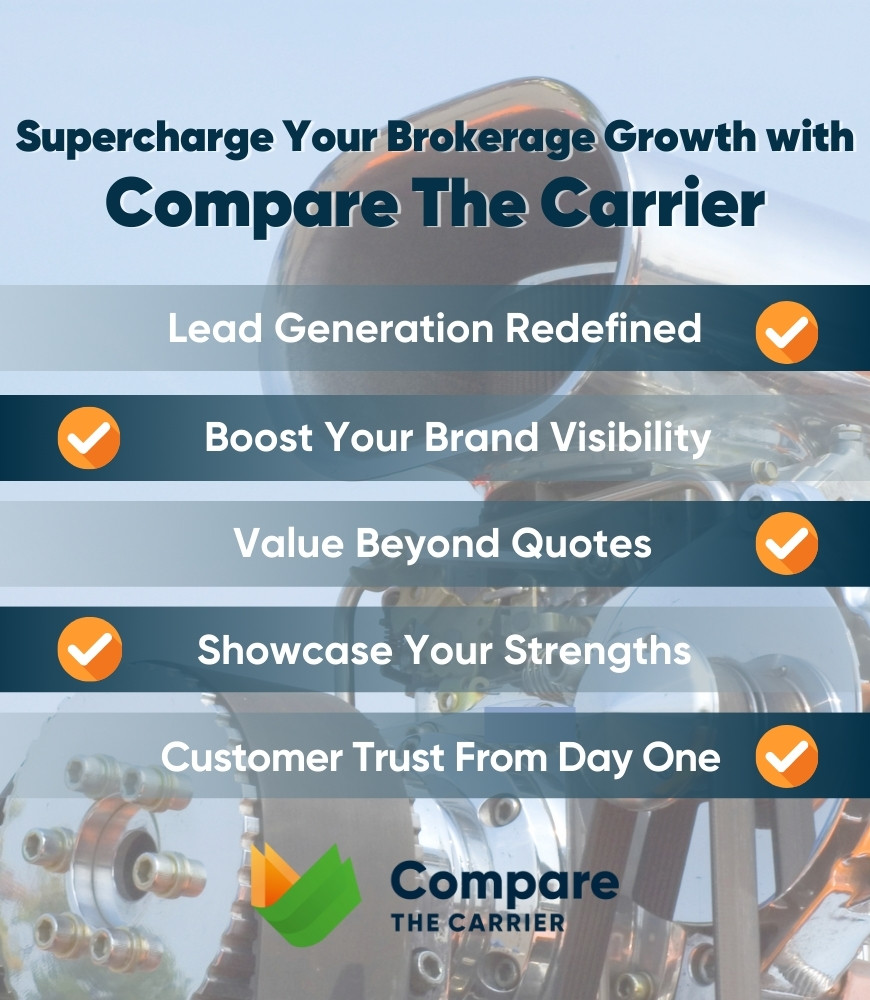
Compare The Carrier isn’t simply another lead generation platform. We understand the unique challenges and opportunities facing transportation brokerages. Our commitment to providing value every step of the way sets us apart, supporting your marketing efforts and your overall business success.
Ready to take your brokerage to the next level?
Let’s discuss how Compare The Carrier can be a game-changer for your growth.
The transportation brokerage landscape is constantly evolving, and success demands adaptability. By understanding your target market, crafting a strategic marketing plan, and leveraging the power of platforms like Compare The Carrier, your brokerage won’t just survive; it will thrive.
Remember, marketing isn’t a one-time event; it’s an ongoing journey. Review your strategies, adapt to trends, and always put your customers’ needs at the forefront. With dedication and the right tools, your brokerage can achieve lasting growth and secure a dominant position in the market.
In 2026, the highest ROI for brokerages comes from local SEO and niche content marketing. Claiming your Google Business Profile captures high-intent local shipping queries. Additionally, publishing specific lane analyses or freight market updates on LinkedIn positions your brokers as experts, generating organic B2B inbound leads without requiring paid ad spend.
Brokerages must move beyond tracking basic website traffic. In 2026, the critical metrics are Customer Acquisition Cost (CAC), Cost Per Lead (CPL), and lead-to-quote conversion rates. Utilizing advanced CRM analytics and call-tracking software allows brokerages to attribute exact revenue to specific SEO campaigns or paid search channels, eliminating wasted ad spend.
LinkedIn is the undisputed primary channel for B2B freight brokerages in 2026. It allows direct engagement with supply chain directors and logistics managers. While Facebook can support brand awareness and driver recruitment, LinkedIn’s algorithm specifically rewards authoritative industry content, making it the most effective platform for acquiring enterprise shipping contracts.
SEO captures high-intent B2B buyers exactly when they need capacity. By optimizing a website for transactional keywords like “expedited freight broker Chicago” or “heavy haul logistics,” a brokerage ensures visibility during the shipper’s procurement process. Consistent SEO execution shifts a brokerage from relying solely on cold outbound calls to generating a predictable inbound pipeline.
Freight markets are highly cyclical and volatile. Therefore, brokerages should conduct a comprehensive marketing audit quarterly. However, digital campaign metrics, such as PPC cost-per-click and SEO keyword rankings, require monthly reviews. Adjusting ad spend and messaging based on real-time market capacity and seasonal shipping trends is essential to maintain a profitable lead generation system.
Automation bridges the gap between marketing and sales. In 2026, successful brokerages utilize automated CRM workflows to instantly route inbound website leads to the appropriate sales agent. Additionally, email marketing automation nurtures cold prospects by sending targeted rate updates and market reports, keeping the brokerage top-of-mind until the shipper is ready to request a quote.








Select the category you need
Partner with Compare The Carrier & Grow!
We're open to collaborations, partnerships, and mutual growth! Whether you're an individual or a business, we offer exciting opportunities to work together. Fill out the form below to explore how we can collaborate.
Something Went Wrong
We're sorry, but something went wrong. Please briefly describe the problem you experienced in the text area below. Providing your contact information will allow us to follow up if needed.

Thank you,
your form has been accepted.
Your form has been successfully submitted. We appreciate your effort — our team will review it shortly and take the next steps.