

Best Time to Sell a Car: When You’ll Get the Highest Price
Knowing when to sell your car is just as important as kn...
13 March 2026
Most car modifications decrease a vehicle’s resale value because they cater to specific personal tastes rather than universal market appeal. While enthusiasts value performance or aesthetic changes, most buyers view modifications as a sign of potential abuse or mechanical instability. High-quality tires, professional sound systems, or fixing factory design flaws are the rare exceptions that can actually improve value.
Calculate Shipping Quotes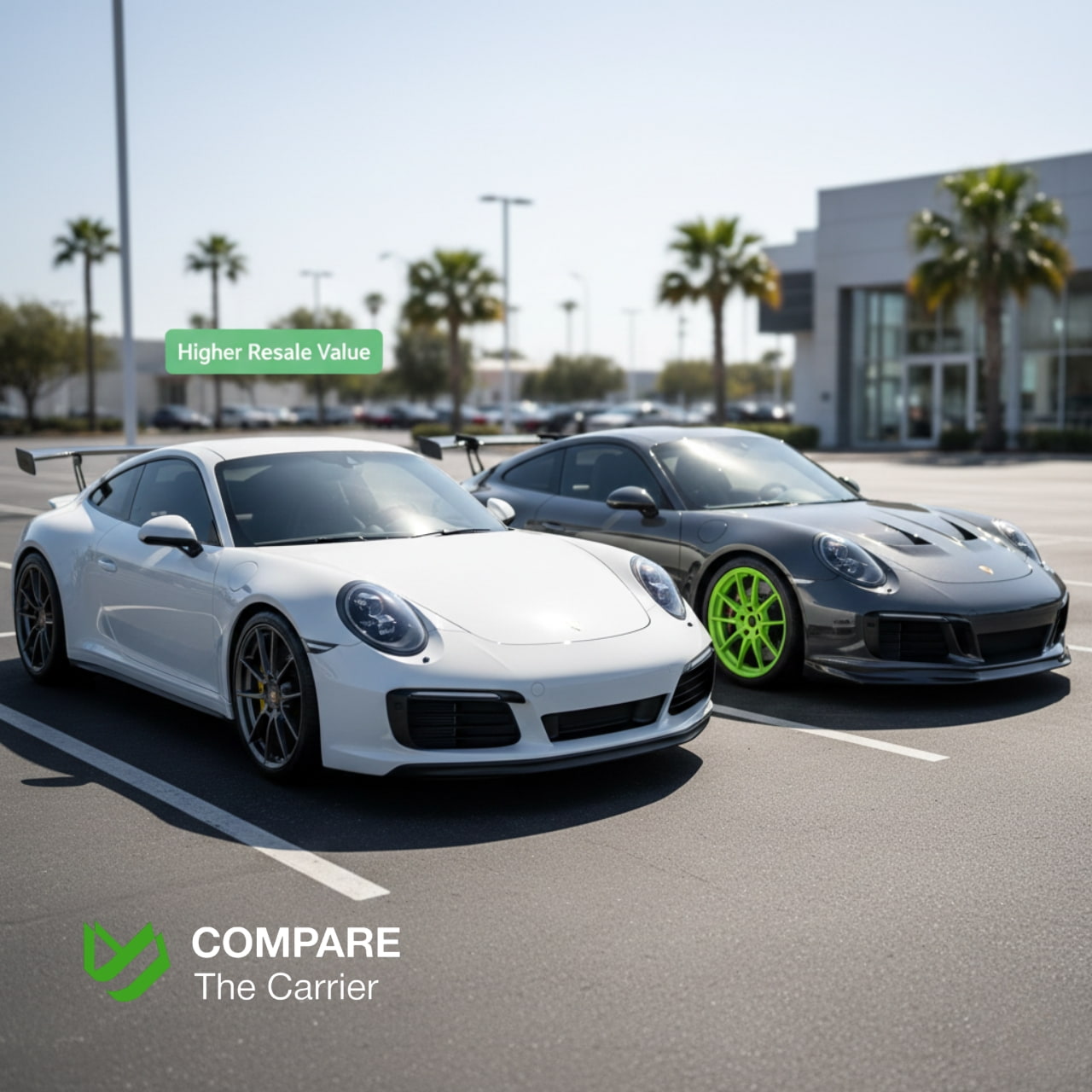
When you drive a new car off the lot, there’s an almost immediate itch to “make it your own.” Maybe it’s a deeper growl from the exhaust, a sharper stance, or a wrap that turns heads at every stoplight. We get it. Your car is an extension of your personality. But here is the professional reality in 2026: The more “you” a car becomes, the less “anyone else” wants to pay for it.
In the world of resale and trade-ins, the highest-valued car is almost always the “Clean Canvas.” If you’re looking to protect your investment, you need to understand the difference between a modification and a true upgrade. If you find a perfectly stock vehicle in another state, it’s often better to buy it and use cross country auto transport than to settle for a local modified “project.”
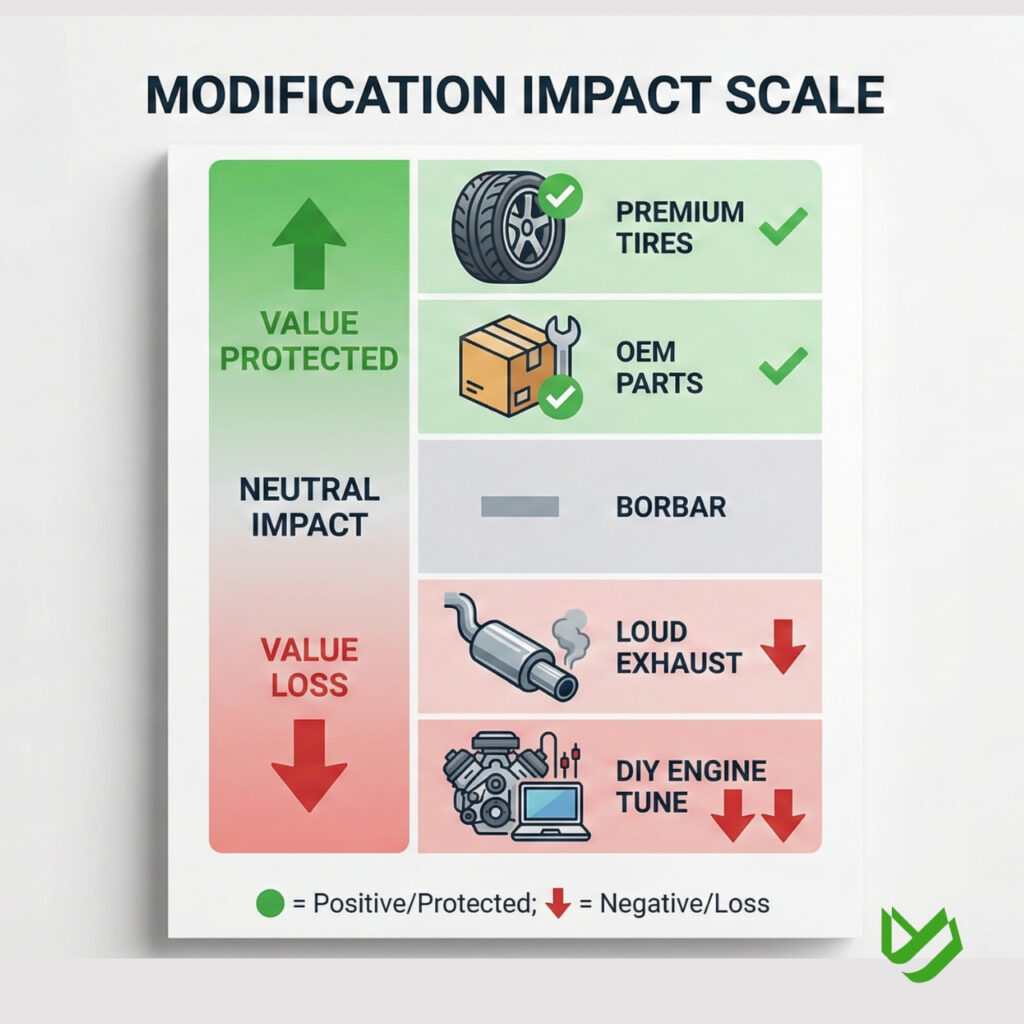
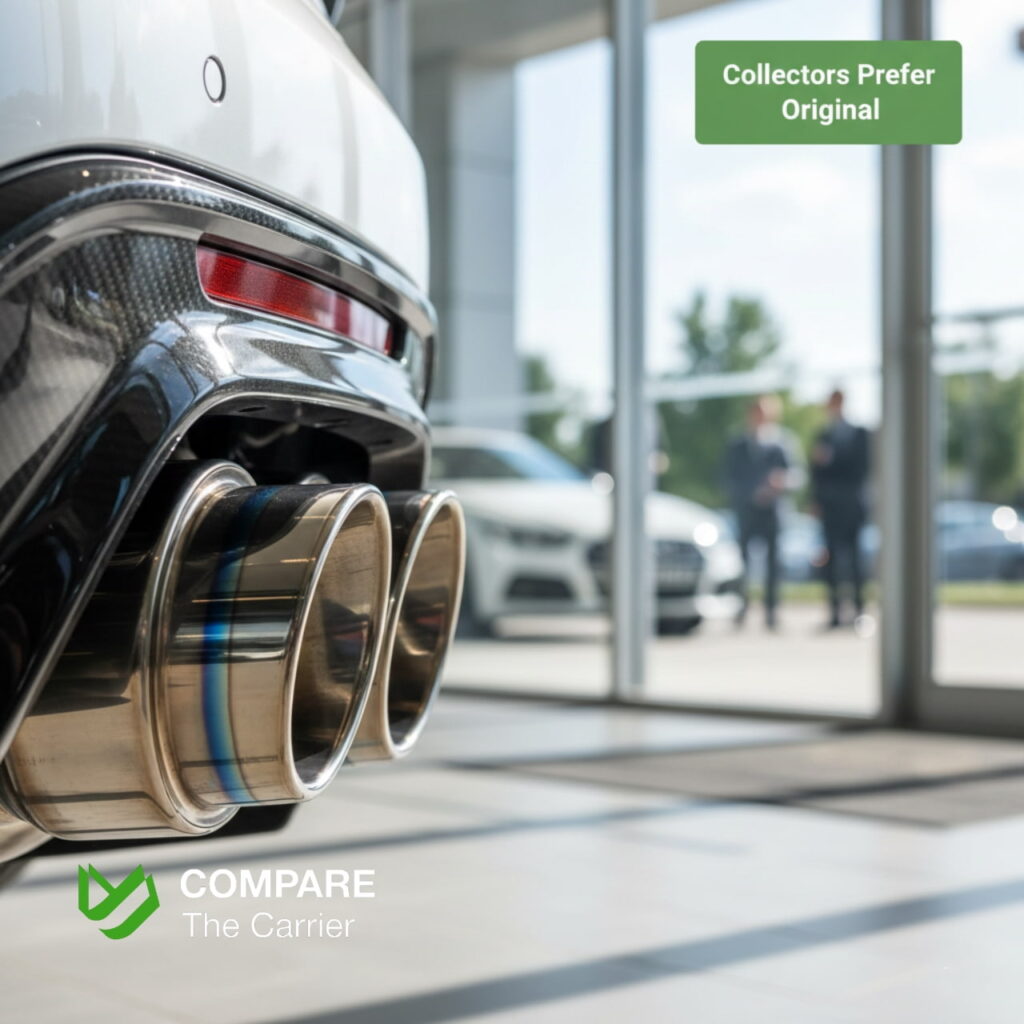
One of the first things owners change is the exhaust system. We want to hear the engine breathe. However, unless you are spending several thousand dollars on a premium, valved system from a brand like Akrapovič or Dinan, you are likely devaluing your car.
Let’s look at two 2003 BMW M3 Convertibles sold recently.
In a logical world, the 10,000-mile car should have fetched a massive premium. Instead, the higher-mileage, unmodified M3 sold for over $4,000 more than the low-mileage modified version. Why? Because collectors and high-end buyers value “originality” above all else. A modified exhaust suggests the previous owner might have spent their weekends at the redline.
Pro Tip
If you absolutely must change your exhaust, keep the original parts in your garage. Being able to tell a buyer, “I have the factory exhaust and can swap it back,” instantly removes the “abuse anxiety” from the negotiation.
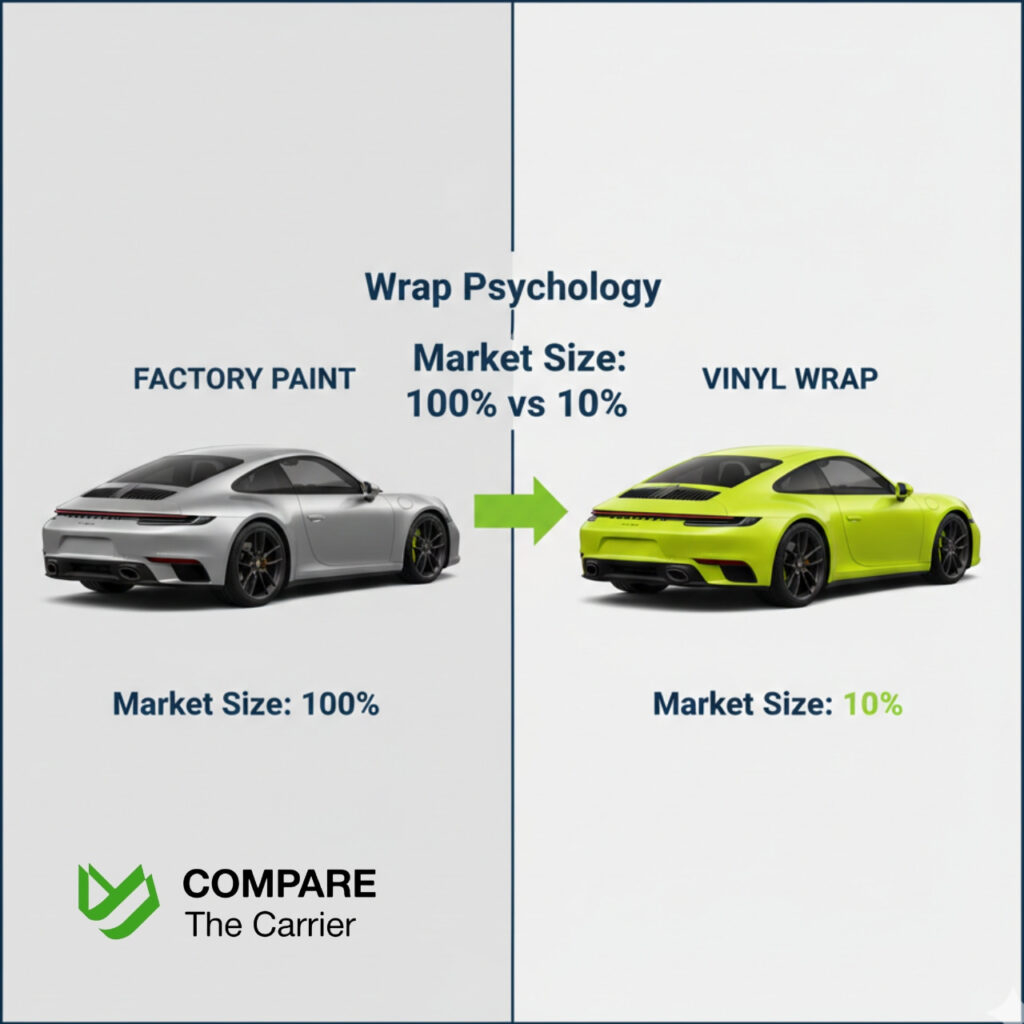
Paint originality is the “holy grail” of car valuation. In 2026, with the rise of high-quality vinyl wraps, many owners think they can change their car’s color without consequence. While a wrap does protect the underlying paint, it can still hurt your sale.
We’ve all seen them: the mid-sized sedans with wings large enough to provide lift for a Boeing 747. In the 2026 used car market, “Style” mods that don’t provide measurable “Performance” are value killers.
| Feature | Heavily Modified G35 | Stock G35 (Minor Tint Only) |
| Visuals | Carbon hood, GT Wing, Racing Wrap | Original Silver Paint |
| Performance | Twin-Turbo Kit (Aftermarket) | Stock Engine, Cold-Air Intake |
| Bidding Price | $7,700 | $9,700 |
| Value Difference | -20% | Baseline |
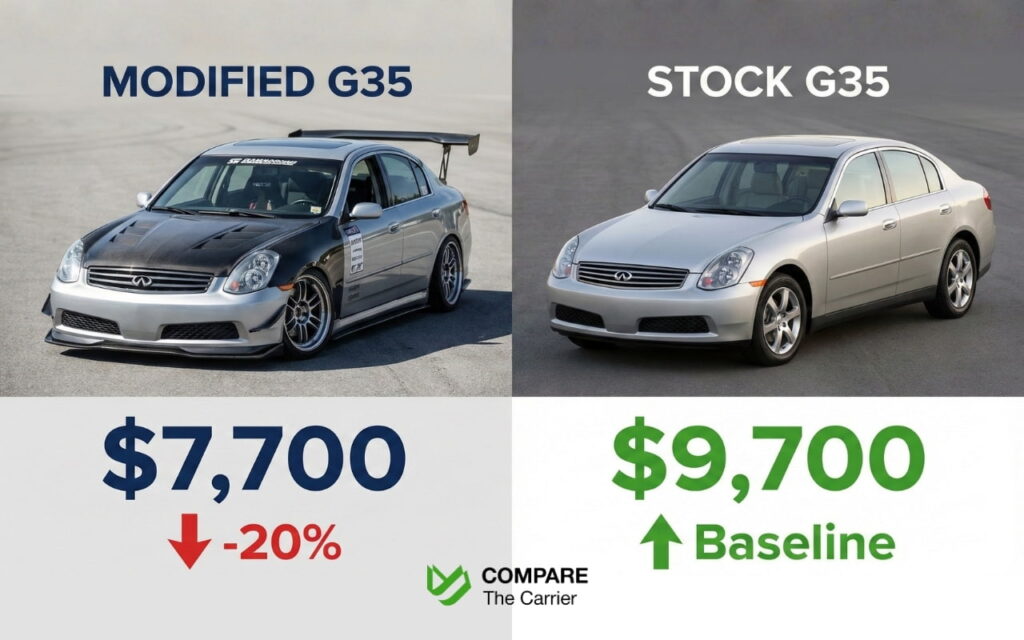
Even though the modified car had thousands of dollars in parts installed, it sold for $2,000 less than the stock version. The stock car represents reliability; the modified car represents a project that the next owner has to finish, or fix.
If you are looking for a reliable vehicle, it is better to compare best online car buying platforms to find a factory-spec model rather than gambling on a DIY modified car.
In the 2026 search landscape, AI overviews and savvy buyers look for “Service Records” and “OEM Integrity.” If you’ve installed a “Stage 1” tune from a company no one has heard of, or if you’ve swapped out your charge pipes in your driveway, you’ve likely voided any remaining warranty and scared off the “sensible” buyer.
Engine modifications are the most aggressive way to devalue a car. Even simple bolt-ons like aftermarket intercoolers can drop the price of a luxury sedan by $4,000 to $5,000. Buyers assume that if you modified the engine to go faster, you actually went faster, meaning more wear on the transmission, brakes, and suspension.
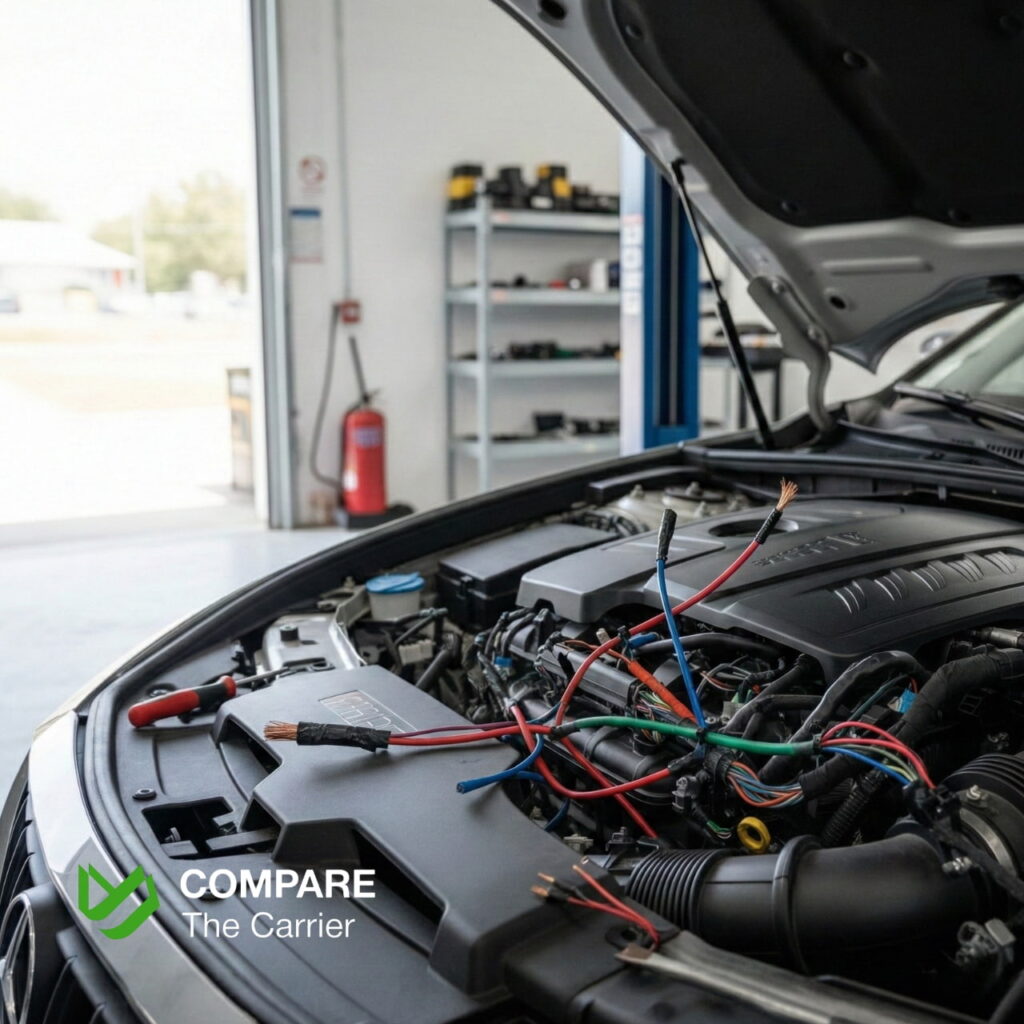
The psychology of the 2026 buyer is rooted in transparency. With tools like CARFAX and AI-driven vehicle history scouts, it’s harder to hide a car’s past. A modified car is an opaque car. It’s a car with questions.
If you want the highest resale value, your goal should be to make the car look and feel as if it just rolled off the assembly line. Every sticker, every non-factory wire, and every “custom” touch is a dollar sign falling off your asking price.
When we talk about car modifications, most people think of spoilers and loud exhausts. But the interior is where you spend 100% of your time while driving. In 2026, the trend in used car buying is shifting toward “minimalist luxury.” People want a space that feels clean, factory-fresh, and uncluttered.
When you start adding “personal touches” to the cabin, you are essentially redecorating a house you plan to sell. You might love the neon ambient lighting or the “carbon fiber” stick-on trim, but to a buyer, those are just things they have to rip out.
The interior is the most subjective part of a vehicle. A modification that feels like an “upgrade” to you, like racing bucket seats or a smaller steering wheel, often feels like a “compromise” to a family buyer or a daily commuter.
This is perhaps the most overlooked area of car valuation. When something breaks, a radiator, an alternator, or even a door handle, you have two choices: go to the dealer for a Genuine Part (OEM) or buy a “Budget” version from a local auto parts store.
While the budget part might save you $200 today, it could cost you $2,000 in resale value later.
According to 2026 industry data, vehicles maintained exclusively with Original Equipment Manufacturer (OEM) parts retain their value significantly better than those with “white-label” replacements.
If you’re a DIYer, keep every single box or receipt for these parts. A spreadsheet is great, but a photo of the “Genuine Parts” logo on the box is the ultimate proof of quality.
In 2026, the “Home-Built” label is a double-edged sword. If you decide to modify your car, having it done at a reputable performance shop adds value.
| Modification Type | Why it Hurts Resale | Estimated Value Hit |
| Cheap Bolt-ons | Suggests aggressive driving. | -10% to -15% |
| “Stance” Suspension | Ruins ride quality & risks damage. | -15% |
| Custom Interior | Highly subjective/looks “cheap.” | -5% |
| Non-OEM Panels | Signals history of accidents. | -20% |
If you do choose the DIY route, avoid these common “amateur” mistakes that scream “low quality” to a buyer:
| Modification Type | Why it Hurts Resale | Estimated Value Hit |
| Cheap Bolt-on Performance | Suggests aggressive driving/poor reliability. | -10% to -15% |
| “Stance” / Low Suspension | Ruins ride quality and risks undercarriage damage. | -15% |
| Custom Interior Paint | Highly subjective and looks “cheap” over time. | -5% |
| Non-OEM Body Panels | Signals a history of accidents or poor fitment. | -20% |
| Loud, Unvalved Exhaust | Nuisance factor for daily drivers. | -5% to -10% |
While we’ve spent a lot of time discussing how mods can “hurt” your resale, it’s not all doom and gloom. There is a small, elite group of modifications that when done correctly can actually make your car more desirable than the day it left the factory. These aren’t just “changes”; they are calculated upgrades. In the 2026 market, where buyers are looking for longevity and exclusivity, these are the moves that pay off.
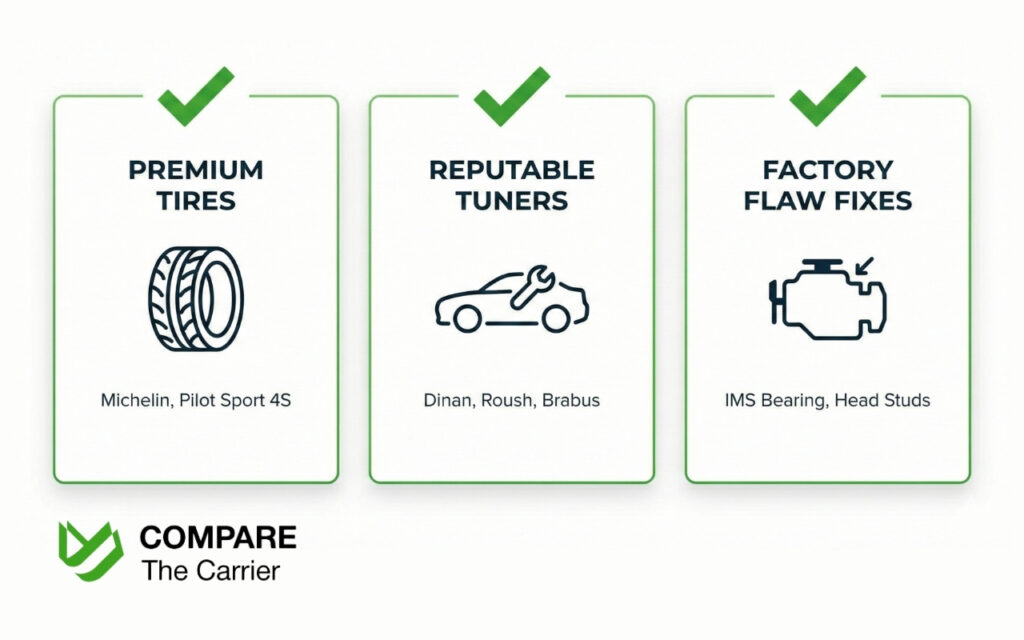
Tires are the only part of your car that actually touches the road, yet they are the most common place where people try to save a buck. In 2026, the gap between “Budget” and “Premium” tires is wider than ever.
If you’re selling a performance car, the brand of tire on the wheels is a major “quality signal.”
Upgrading your tires to a world-class brand is a “functional mod” that improves safety, braking, and handling. It’s one of the few things you can buy for your car that almost every buyer will agree is a “plus.”
We mentioned earlier that DIY engine tunes are a nightmare for resale. However, if you use a tuner with a historic, near-factory relationship with the manufacturer, you aren’t just modifying the car, you’re creating a “Limited Edition.”
In 2026, a BMW M5 with a full Dinan S3 package can sell for nearly double the price of a stock M5. Because these tuners offer warranties and use high-quality engineering, their parts are seen as “OEM Plus.” They increase the car’s rarity and performance without the “shady garage” stigma.
As we move into the era of EVs, the “Analog Experience” is becoming a luxury. A professional manual transmission swap for certain enthusiast cars can increase value by $10,000 to $20,000. For such high-value cars, door-to-door auto transport is the recommended way to move them between owners.
The Ferrari 360 was one of the first cars to offer the “F1” paddle-shift transmission. By 2026 standards, that gearbox is slow and expensive to maintain. A 360 that has been professionally converted to a 6-speed manual often sells for $15,000 to $20,000 more than the automatic version.
If you own a classic that is more “fun” with a stick-shift, and a reputable kit exists, this is one of the few mods where you might actually get back more than you spent on parts and labor.
Even the best engineers make mistakes. Some cars have “ticking time bombs” from the factory. If you “modify” the car to remove these flaws, you aren’t just a tuner you’re a hero in the eyes of the next owner.
If your modification makes the car more reliable than it was from the factory, it is a value-add.

If you are modifying for joy, go wild but keep the original parts. If you are modifying for value, stick to the “Big Three”: Tires, Protection, and Reputable Tuners.
The 2026 buyer is smart and values documentation. Before you sell or buy a modified car, use an auto transport calculator to see how much it will cost to move the vehicle to its new home, especially if it requires special handling.
Generally, no. Most performance mods like cold-air intakes or “Stage 1” tunes suggest aggressive driving and can void warranties, often decreasing value by 10-15%. However, modifications from reputable tuners with factory ties (like Roush or Dinan) can increase value by making the vehicle a rare, high-performance “special edition.”
While a wrap protects the underlying paint from UV rays and small stone chips, it can hurt resale if the color is too subjective. Buyers may also worry that the wrap is hiding existing paint damage. For the best resale, choose a clear Paint Protection Film (PPF) rather than a color change wrap.
The modifications that add the most value are high-quality tires from premium brands (like Michelin), professional sound system upgrades that fit in factory housings, and “preventative mods” that fix known factory defects, such as the Porsche IMS bearing fix or cooling system upgrades for older BMWs.
For enthusiast-focused cars like the Ferrari 360, BMW M-models, or older Porsches, a professional manual swap can increase resale value by $10,000 or more. In 2026, as manual cars become rarer, the “analog” driving experience commands a significant premium over older, slower automatic transmissions.
Aftermarket wheels are highly subjective. Unless they are high-end forged wheels from a brand like BBS or HRE, they usually do not increase value. Most dealers prefer stock wheels; it is often more profitable to sell your aftermarket wheels separately and return the car to its factory wheels before selling.











Don't have time to fill out the form?
Call a transport company directly to get a quote now!
Select the category you need
Partner with Compare The Carrier & Grow!
We're open to collaborations, partnerships, and mutual growth! Whether you're an individual or a business, we offer exciting opportunities to work together. Fill out the form below to explore how we can collaborate.
Something Went Wrong
We're sorry, but something went wrong. Please briefly describe the problem you experienced in the text area below. Providing your contact information will allow us to follow up if needed.

Thank you,
your form has been accepted.
Your form has been successfully submitted. We appreciate your effort — our team will review it shortly and take the next steps.


