4 Ways to Make Shipping Lead Generation on a Budget
Struggling to find high-quality leads that convert into p...
10 October 2024
To optimize auto transport lead cost in 2026, brokers must track real-time CPL and ROI, implement automated lead nurturing, and prioritize exclusive over shared leads. Balancing high-intent search traffic with advanced CRM analytics ensures you reduce acquisition costs while maintaining high conversion rates.
Contact Us Now
In 2026, the average cost per lead (CPL) for auto transport brokers continues to fluctuate, squeezing profit margins and making lead cost optimization more critical than ever. But what if you could gain a strategic edge by mastering the art of lead acquisition?
Savvy businesses are not only managing but also optimizing their spend by leveraging a data-driven digital marketing strategy. This fresh approach to buying leads and managing resources turns a typical expenditure into a potent strategic asset.
This isn’t just about finding cheap leads online; it’s about strategically managing your logistics lead flow to ensure every dollar delivers maximum ROI. Whether you’re a seasoned broker or just starting out, this guide will equip you with the knowledge to:
Ready to transform your lead generation strategy? Let’s dive in.
In the fast-paced world of auto transport, where competition is fierce and margins can be tight, tracking your lead performance is like keeping your finger on the pulse of your business. It’s about knowing exactly what’s working, what’s not, and where to focus your efforts to maximize your return on investment.
Think of it like this: you wouldn’t drive across the country without a map or a GPS, right? The same goes for your lead generation strategy. You need the right metrics to guide your decisions and ensure you’re on the road to success.
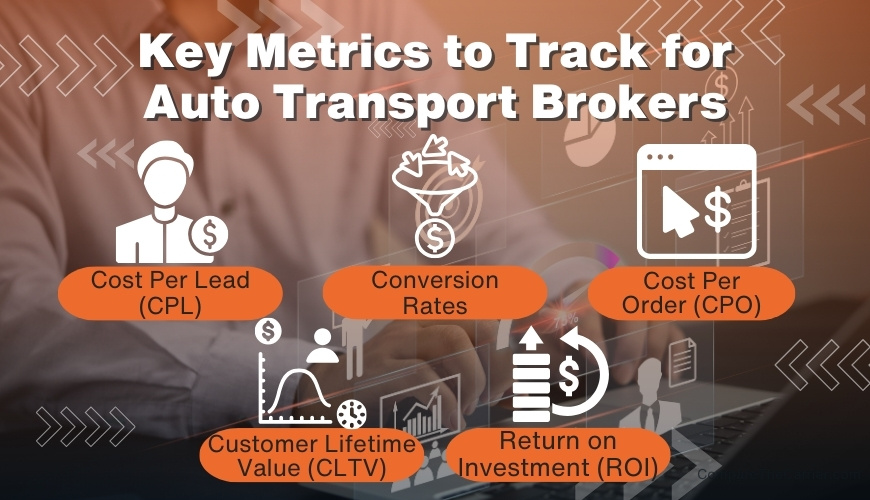
Here are the key performance indicators (KPIs) that every auto transport broker should be tracking:
For comprehensive support in your logistics and lead management efforts, Compare The Carrier Agency provides tailored marketing strategies that drive results.
By diligently tracking these metrics through performance tracking & analytics, you can make data-driven decisions to reduce CPL and maximize your bottom line.
Not all leads are created equal. To truly optimize your acquisition cost, you need to go beyond the numbers and evaluate the true value of each lead. Think of it like buying a car: you don’t just look at the price tag; you check the mileage and condition.
Evaluate what makes a lead valuable and explore Compare The Carrier’s best auto transport leads for brokers for a practical application of these principles.
Think of it like this: you wouldn’t just buy any old car that seems cheap, right? You’d consider its make, model, mileage, and overall condition. The same goes for leads. You need to assess their quality, potential for conversion, and long-term value to your business.
So, how do you separate the gems from the duds?
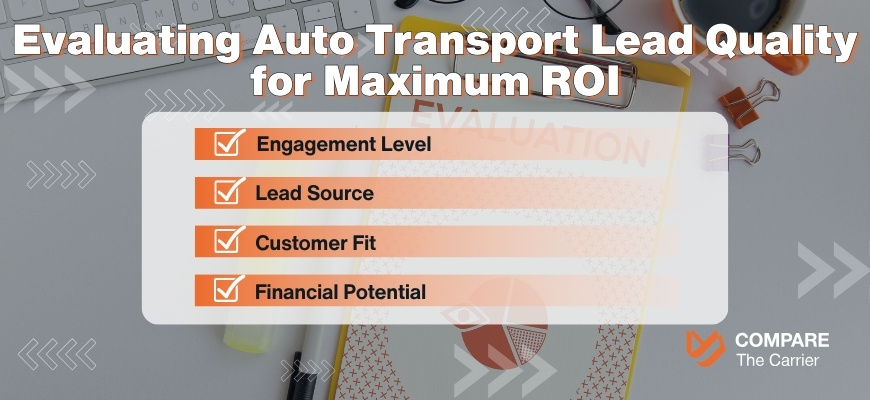
Here are some key factors to consider when evaluating auto transport lead value:

By mastering the art of lead evaluation, you can make smarter decisions about where to invest your time and resources. It’s about focusing on quality over quantity and ensuring that every dollar you spend on lead cost brings you closer to your business goals. For further insights on enhancing your marketing strategies and driving business growth, consider exploring our detailed guide on Brokerage Growth Strategies: Supercharge Your Marketing in 2024.

As you begin to delve into the nuances of lead cost management, you might find yourself on a bit of an emotional rollercoaster. It’s perfectly normal to feel overwhelmed at first as you navigate through the various metrics and their implications. But don’t worry, with the right strategies and insights, you’ll find your footing.
Alright, buckle up, because now we’re diving into the strategic side of things. This is where you take all that knowledge about auto transport lead costs and turn it into a powerful weapon in the battle for profitability.
Think of yourself as a general leading your troops into battle. You wouldn’t just charge in blindly, right? You’d analyze the terrain, study the enemy, and develop a strategic plan to maximize your chances of success. The same goes for lead cost optimization.
Here’s your battle plan:
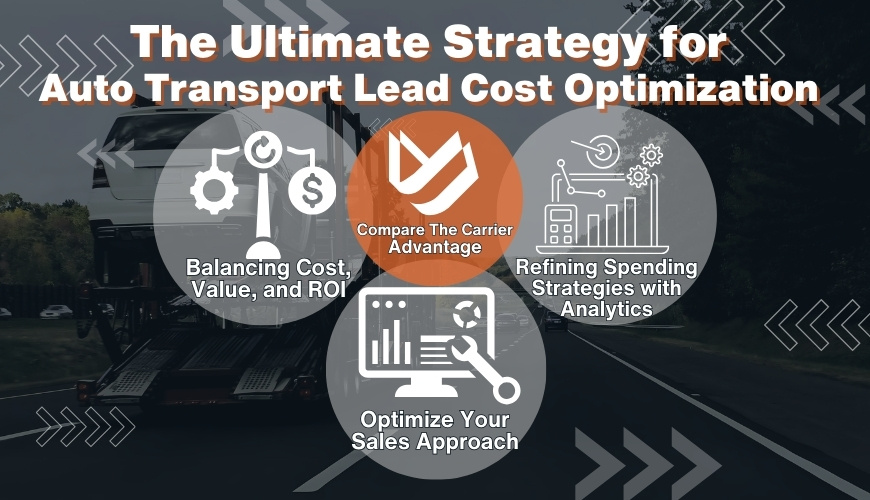
Imagine you’re a detective trying to solve a case. You’ve got all these clues (your lead data), and you need to piece them together to find the culprit (the perfect lead cost optimization strategy).
Clue #1: Your CPL for Facebook Ads is $10, while your CPL for Google Ads is $15.
Clue #2: Your conversion rate for Facebook Ads is 5%, while your conversion rate for Google Ads is 10%.
Clue #3: Your CLTV for customers acquired through Facebook Ads is $400, while your CLTV for customers acquired through Google Ads is $500.
Now, put on your detective hat and analyze the clues. Which campaign is more profitable?
Spoiler alert: It’s Google Ads!
Even though the CPL is higher, the higher conversion rate and CLTV translate into a better ROI. This demonstrates how vital it is to look beyond initial costs and consider the overall value each lead brings over their lifecycle. By focusing on both conversion rates and long-term value, Google Ads emerges as the more strategic choice for optimizing your lead cost effectively.
This is just one example of how data-driven decision-making can help you optimize your lead cost and boost your bottom line.
To dive deeper into optimizing your strategy between purchasing leads and investing in organic marketing, check out our article on How to Generate Free Vehicle Shipping Leads: Buy Leads or Invest in Marketing?.”
So, what are you waiting for? Start tracking your metrics, analyzing your data, and leveraging the power of Compare The Carrier to unlock your lead generation potential.
In the competitive auto transport landscape, optimizing your lead costs isn’t just a good idea it’s a necessity. By mastering the metrics, evaluating lead value, and implementing strategic optimization techniques, you can gain a serious edge.
Remember, it’s not about finding the cheapest leads; it’s about finding the right leads and maximizing your return on investment. Compare The Carrier is your partner in this journey, offering the tools, resources, and expertise to help you achieve lead generation success.
Ready to take your auto transport business to the next level?
Buy Leads: Explore our selection of high-quality auto transport leads and start connecting with potential customers today.
Get a Free Consultation: Our team of experts can help you develop a customized lead acquisition strategy that aligns with your business goals.
A critical mistake is prioritizing low Cost Per Lead (CPL) over lead quality, which often results in a higher Cost Per Order (CPO). Brokers also fail to use multi-touch attribution, overlooking which channels drive high-intent traffic. Ignoring lead intent data leads to wasted sales effort on non-converters, ultimately shrinking profit margins despite a lower initial lead price.
Speed to lead remains the top conversion factor; reaching prospects within five minutes increases booking probability by 100%. Utilizing automated SMS follow-ups and personalized video quotes further boosts engagement. Additionally, optimizing mobile forms to reduce friction can increase conversion rates by 25%, as most 2026 auto transport customers initiate shipping requests from smartphones.
Strong branding lowers Customer Acquisition Cost (CAC) by increasing organic brand search volume and direct website traffic. In 2026, a trusted reputation improves Google Ads Quality Scores, significantly reducing the cost per click. High brand authority also increases referral rates, allowing brokers to maintain a steady lead flow without solely relying on expensive third-party lead aggregators.
Brokers should perform high-level performance tracking weekly and deep-dive strategic audits monthly. This frequency is necessary to account for 2026’s volatile route pricing and seasonal shifts in shipping demand. Regular reviews allow for immediate reallocation of ad spend from underperforming geographic regions to high-converting routes, ensuring the lead generation budget remains optimized year-round.
API-based CRM integration automates data capture and lead distribution, eliminating manual entry errors and response delays. This synchronization allows for real-time ROI tracking by linking specific lead sources to closed orders. Advanced CRM systems in 2026 also enable automated lead scoring, ensuring sales teams prioritize prospects with the highest booking probability based on historical data.
Aged leads are highly cost-effective for long-term pipeline building, typically costing 80% less than fresh leads. While immediate conversion rates are lower, they are ideal for automated email re-engagement campaigns. Since many vehicle owners ship multiple times a year, nurturing aged leads allows brokers to capture repeat business and “re-ship” opportunities at a significantly lower acquisition cost.










Select the category you need
Partner with Compare The Carrier & Grow!
We're open to collaborations, partnerships, and mutual growth! Whether you're an individual or a business, we offer exciting opportunities to work together. Fill out the form below to explore how we can collaborate.
Something Went Wrong
We're sorry, but something went wrong. Please briefly describe the problem you experienced in the text area below. Providing your contact information will allow us to follow up if needed.

Thank you,
your form has been accepted.
Your form has been successfully submitted. We appreciate your effort — our team will review it shortly and take the next steps.